What Hardcover Book Printing Really Costs
Hardcover book printing cost is almost always the highest line item on a publishing budget, and it is also the one buyers understand the least. A casebound book costs more than a paperback for a reason: it is built in two separate pieces, then joined by hand-assisted machinery, with materials that carry their own price. The good news is that the cost breaks down into clear, predictable parts once you know where to look.
This guide walks through the binding methods, cover materials, finishes and printing choices that set the price of a hardcover. By the end you will know exactly what to specify and where a factory is making money, so you can quote with confidence.
Hardcover Binding Methods
Hardcover is not a single construction. The binding style fixes how the book opens, how durable it is and how the price is built, so it is the first decision to lock down.
Case Binding
Case binding is the standard hardcover: the interior pages are sewn or glued into a block, then cased into a rigid cover made from board wrapped in cloth or printed paper. It is what most people picture when they think of a hardback, and it holds up for decades of reading.
Smyth Sewn Binding
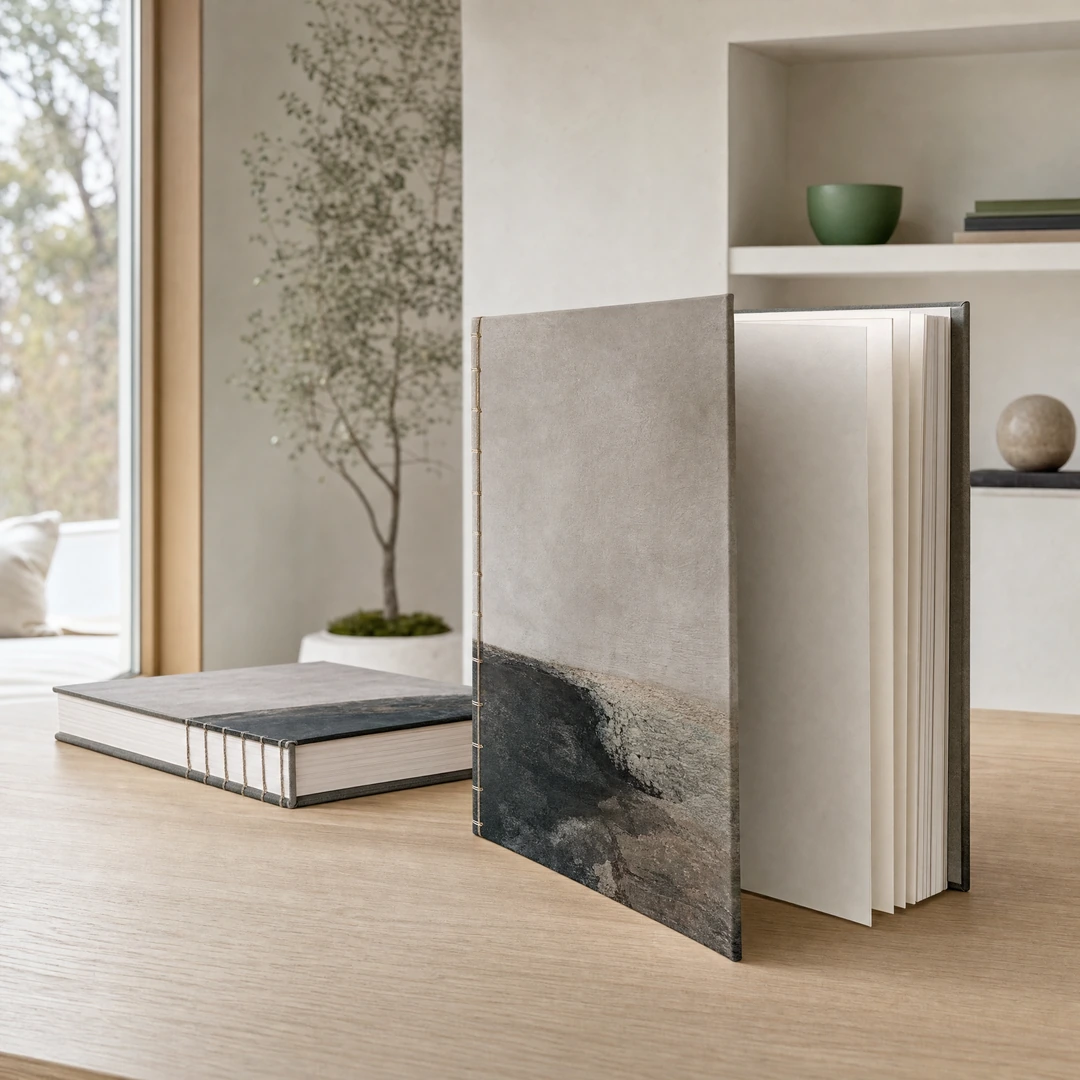
Smyth sewing stitches the folded sections together with thread before the case is attached, which lets the book open flat and survive heavy use. It costs more than a glued block but is the right choice for reference books, textbooks and anything meant to last.
Board and Lay-Flat Books
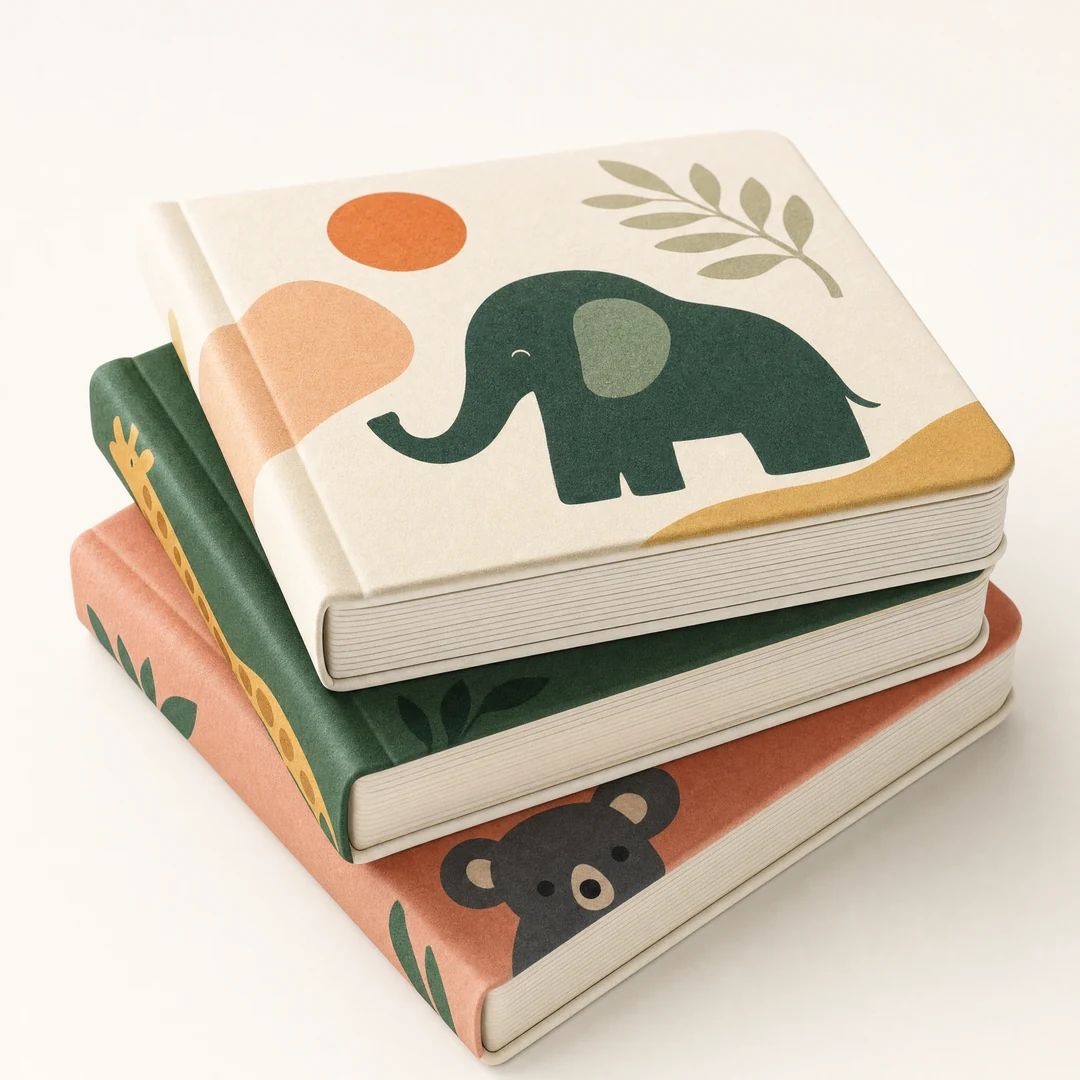
Board books use thick, stiff pages for toddlers, while lay-flat binding uses a special spine that keeps facing pages perfectly flat across the gutter. Both are specialist constructions that cost more per unit and suit narrow, specific markets.
The Cost Drivers, Ranked
A hardcover quote is shaped by fewer than a dozen variables, but a handful of them do most of the work. Knowing the order of influence lets you spend your budget where it actually shows.
Case Material
The cover case is the biggest differentiator in hardcover pricing. A printed paper case is the entry level, while cloth, linen and leatherette cases cost more, and genuine leather or custom-milled fabric sit at the top. The material sets the tactile first impression, so it is the most common place buyers upgrade.
Page Count and Paper
Page count drives paper and ink consumption exactly as it does in a paperback, and hardcover buyers often add heavier stock to match the premium feel. A 400-page book on thick coated paper costs substantially more than a 200-page book on standard stock, so this single decision moves the quote more than any other.
Print Quantity
Quantity works the same way it does everywhere in printing: the unit price falls sharply as the run grows because setup costs are spread over more copies. A hardcover in a 300-copy run can cost several times more per unit than the same book at 2,000 copies.
Color Interiors
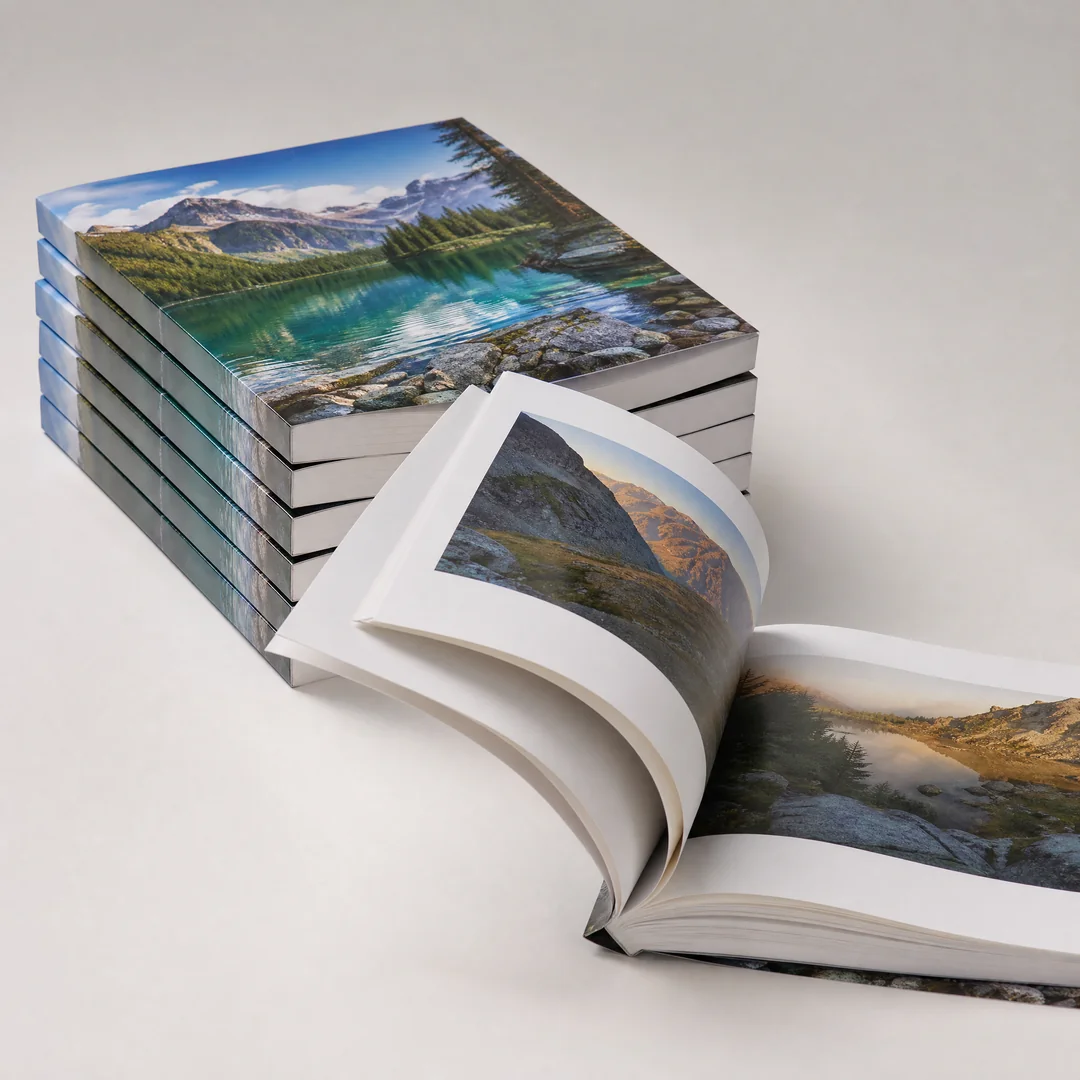
Black-and-white interiors keep the cost down, while full-color interiors can double or triple the printing price. Color earns its place in coffee table books, art books, photography and children’s titles, and it is a needless expense in a text-only novel.
Cover Materials and Finishing
The cover is where a hardcover earns its premium, and the finishing options are where most of the added value lives. These choices are cheap individually but stack up fast.
Dust Jackets and Printed Cases
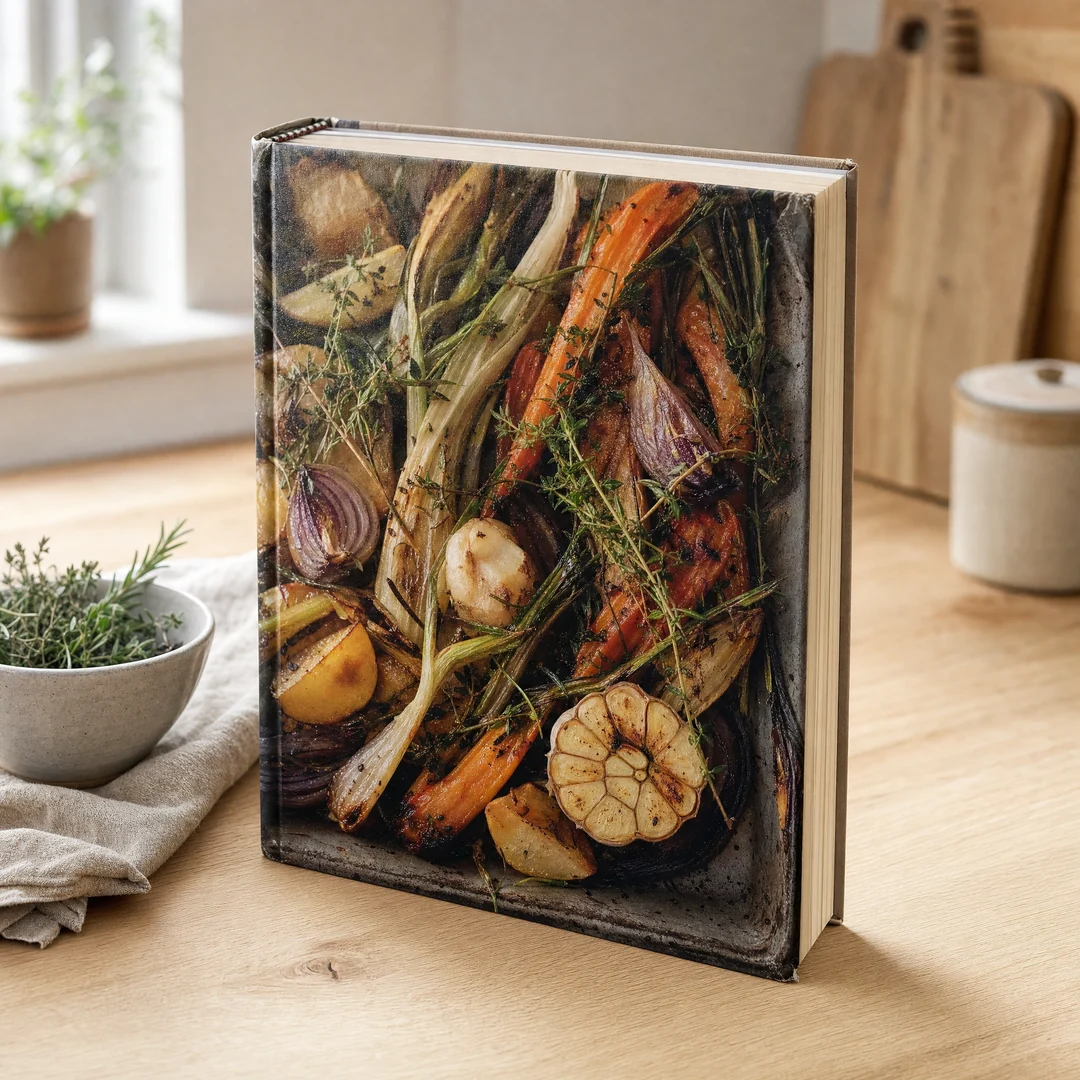
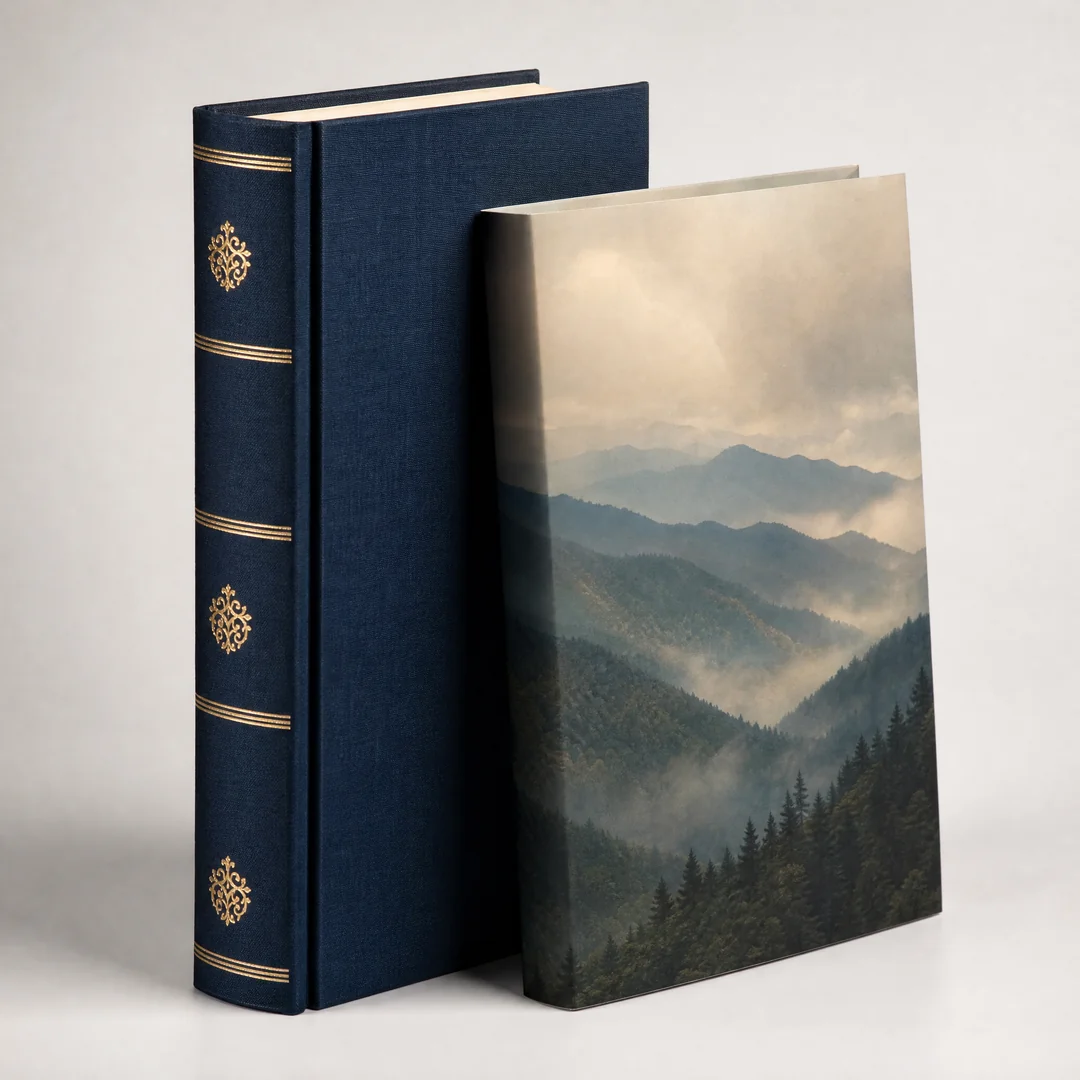
A printed dust jacket over a plain cloth case is the classic hardcover look, and it gives you a large canvas for artwork and copy. A printed case skips the jacket and prints directly onto the wrapped board, which saves a little cost and gives a more modern, tactile finish.
Foil Stamping and Embossing
Foil stamping presses a metallic layer onto the spine and front board for the title and author name, while embossing and debossing add raised or recessed detail. Together they signal a premium edition, and the cost per book is modest at quantity, which is why they are standard on every serious hardcover.
Coatings and Special Effects
A matte or gloss lamination protects the jacket and changes its feel, while spot UV can highlight a title or a logo on a matte finish. These effects are optional, but they are usually the cheapest way to make a hardcover feel deliberately designed rather than mass-produced.
Printing Method: Offset or Digital
The printing method for a hardcover is decided almost entirely by quantity, and it sets the floor for your unit price.
Offset Printing
Offset is the default for hardcovers because the longer setup is repaid quickly once the run passes a few hundred copies, and it reproduces color and fine gradients more faithfully. It is the only realistic choice for illustrated and photographic books.
Digital and Short Runs
Digital printing skips the plates and suits short runs, proofs and print-on-demand hardcovers. You pay more per book but avoid a large inventory, which is why many self-publishers start digitally and move to offset once a title sells steadily.
Standard Hardcover Sizes
Trim size affects the reading experience and the price, because a non-standard size wastes paper on the press sheet. Sticking to a common dimension is one of the quiet ways to keep a hardcover book printing cost down.
Trade and Novel Sizes
A 6 x 9 inch hardcover is the standard for fiction and non-fiction, and it is usually the cheapest to produce because printers are set up for it constantly. A 5.5 x 8.5 inch option reads slightly smaller at about the same cost.
Large Format and Coffee Table
Coffee table and art books run larger, often 8.5 x 11 inches or bigger, and they use heavier paper and full-color printing throughout. Their cost per unit is much higher, but the format is the product, so the size is justified by the price it can command.
How to Read a Hardcover Quote
A clean quote separates unit cost, setup fees and shipping so you can compare suppliers on equal terms. Here is what to check on the page.
Setup, Plates and Proofs
Setup fees cover file preparation, plates, dies for stamping and a printed proof, and they are charged once per run. On a small hardcover run these fixed costs can rival the materials, which is why the unit price falls so steeply as quantity climbs.
Unit Price and Price Breaks
The unit price is the cost per book at a given quantity, and serious printers list breaks at 500, 1,000, 2,000 and 5,000 copies. Ask for the full break table rather than a single number, because the step between two adjacent quantities is often large enough to change your whole plan.
Freight and Customs
Hardcovers are heavier than paperbacks, so freight is a real factor, especially on international orders by air. Get shipping quoted on the actual finished weight and destination, and confirm who clears customs before you approve anything.
Proofs and Quality Checks Before You Commit
A printed proof is the cheapest insurance on a hardcover run, because it catches case, color and construction problems while they are still cheap to fix.
Digital Versus Physical Proofs
A digital proof confirms layout and pagination but tells you little about how the case will feel. For a first hardcover, approve a physical proof on the real materials so you can judge the cloth, the foil and the weight in your hands.
Approving the Case Separately
The case is the piece every buyer stares at longest, so give it its own approval step. Check the spine width, the board thickness, the foil alignment and the hinge, because a case that looks right on screen can shift a millimeter in production and read as a defect.
A Realistic Budget for a Hardcover
For planning purposes, a standard 6 x 9 inch hardcover of around 250 pages with a printed case lands near the low end of the range in runs of 1,000 copies or more, while a cloth case with foil stamping and a dust jacket moves the number up from there. Full-color interiors, heavier paper and larger trim sizes each add more, and a 300-copy digital run costs several times more per unit than the same book at 2,000 copies.
The exact figure depends on your specifications, but the pattern is always the same: quantity lowers the unit cost, and every upgrade you add to case material, paper, color or finish pushes the price in the other direction.
Getting an Accurate Hardcover Printing Quote
The fastest way to a reliable number is to brief every variable at once: trim size, page count, binding, case material, paper, color, quantity and destination. A printer who asks for those details is protecting you from surprises; one who quotes without them is guessing.
When you are ready to price your edition, send your complete specifications and compare quotes that list the same items. The product pages and guides below take you straight to the details.