Why Your Book’s Binding Matters More Than You Think
Pick up any book on your shelf. Open it. Flip through a few pages. Now ask yourself: does it feel right? The way a book opens, the way pages turn, the way the spine holds up after the tenth read — none of that is accidental. It all comes down to one decision that too many self-publishers treat as an afterthought: the book binding method .
Binding isn’t just the thing that stops pages from falling out. It shapes how a reader experiences your work from the moment they pick it up. A cookbook that won’t stay open on the counter is frustrating. A paperback novel whose glued spine cracks after one reading feels cheap. A children’s board book that delaminates after a month of toddler handling? That’s a return waiting to happen.
At EcoPrinting, we have seen every type of book binding under the sun — and we have seen what happens when someone picks the wrong one. The good news is that the right choice is rarely complicated once you understand what each method actually does. This guide walks you through all the major book binding types , from saddle stitching and perfect binding to case binding and Smyth sewn, with honest pros and cons, real cost ranges, and practical decision-making advice. By the time you finish reading, you will know exactly which method fits your project.
Saddle Stitching: The Lightweight Workhorse
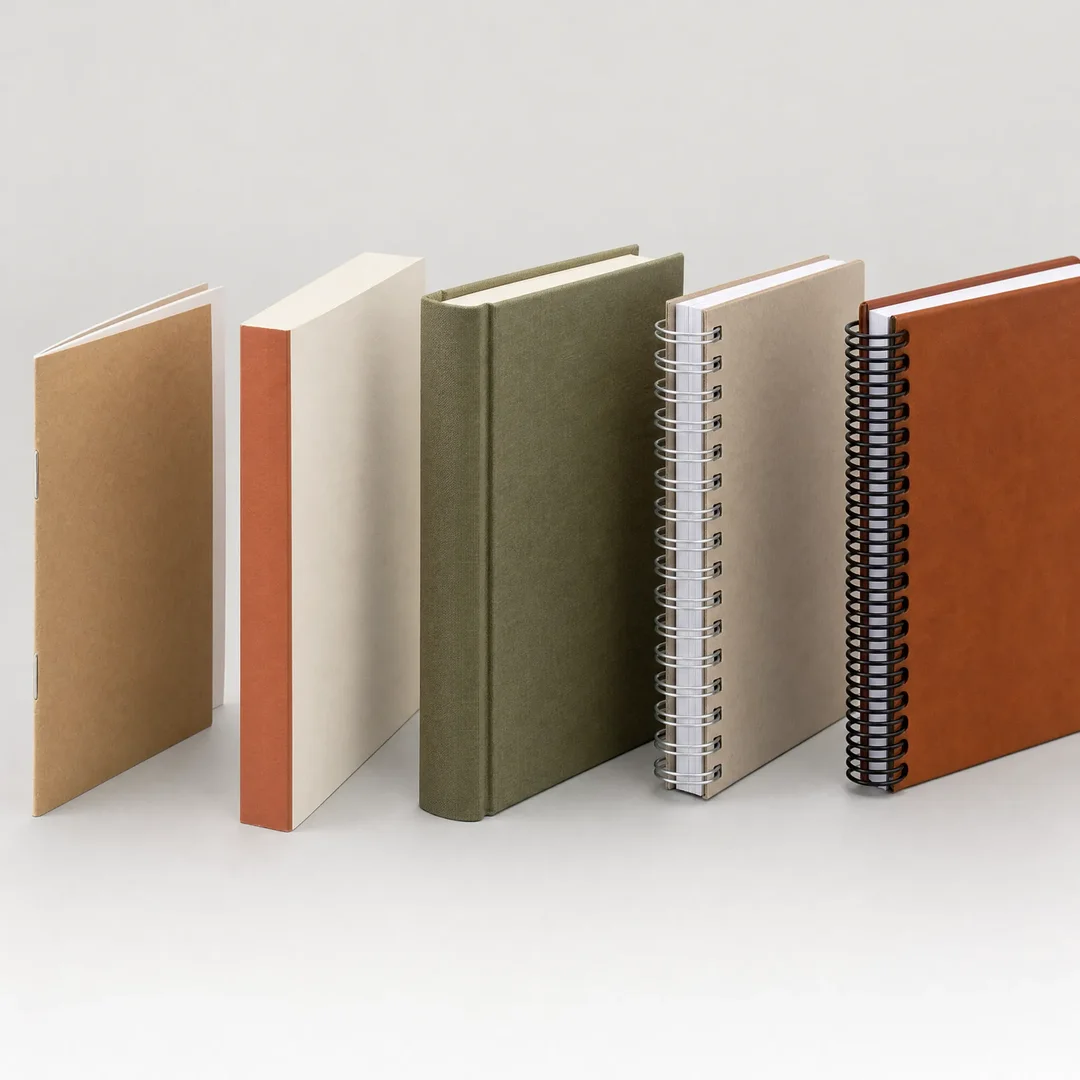
Saddle stitching is as straightforward as book binding gets. Sheets are folded in half, stacked inside one another, and secured with two or three wire staples driven through the center fold — or “saddle,” which is where the name comes from. It is the best book binding for self-publishing projects with a low page count and a tight budget.
This method handles roughly 8 to 80 pages comfortably. Anything beyond that and the staples struggle to hold everything together. You have probably held dozens of saddle-stitched products without thinking about it: church bulletins, short comic books, event programs, small catalogs, zines, and newsletters all rely on this technique.
Advantages
The price is the headline here. Saddle stitching is by far the cheapest binding method available, with per-unit costs that can dip below $0.50 for bulk runs. Production speed is another major advantage — most print shops can turn around a saddle-stitched run in 24 to 48 hours. The finished piece also lays reasonably flat when open, which helps with page-spanning designs. Because there is no spine, the printed area can run right up to the fold without losing content into a glued gutter.
Drawbacks
The page count ceiling is hard. Push past 80 pages and the staples either won’t penetrate or the center pages start creeping outward in an effect printers call “page creep.” Over time and repeated use, the staples can loosen and the outer pages may tear away from the binding. There is also no printable spine, so saddle-stitched books disappear on a bookshelf — they are too thin to display a title.
Best For
Small magazines, comic books under 48 pages, event programs, short instructional booklets, newsletters, poetry chapbooks, lookbooks, and any project where keeping costs near zero matters more than looking like a traditional book.
Page range: 8–80 pages | Cost level: $ (lowest) | Lay-flat: Good | Durability: Low to moderate
Read our in-depth guide on saddle stitching for technical specs and design templates.
Perfect Binding: The Paperback Standard
Walk into any bookstore and the paperbacks you see — novels, memoirs, trade nonfiction — are almost certainly perfect bound. The process is deceptively simple: the pages are gathered into a block, the spine edge is roughened or notched, a layer of hot-melt or PUR (polyurethane reactive) adhesive is applied, and a heavier paper cover is wrapped around and glued directly to the spine.
When people debate perfect binding vs saddle stitching , the deciding factor almost always comes down to page count and perceived value. Perfect binding handles 40 to roughly 400 pages with ease and produces a square, printable spine that gives the book a professional retail presence.
Advantages
The printable spine is a game-changer for bookstore visibility. A perfect bound book sits on a shelf spine-out and tells browsers exactly what it is. The finished product feels substantial in the hand — there is weight to it, credibility. Per-unit costs are reasonable for runs as small as 25 copies, and production turnaround is typically 3 to 7 business days. For print-on-demand authors, perfect binding is the default option on every major POD platform, including Amazon KDP and IngramSpark.
Drawbacks
Perfect bound books do not lay flat. Open one and you will feel the spine resist — the reading experience requires two hands or a bit of muscle. Over time, especially with economy hot-melt glue, the adhesive can become brittle in cold conditions or soften in extreme heat. Pages near the center of the book also suffer from “gutter loss,” where content close to the binding edge disappears into the curve. PUR glue mitigates many of these issues but adds roughly 15–25% to the binding cost.
Best For
Novels, memoirs, poetry collections, full-length nonfiction, trade paperbacks, company reports, thick catalogs, and self-published books intended for retail distribution. If your book looks like a “real book” in your mind’s eye, perfect binding is probably what you are imagining.
Page range: 40–400 pages | Cost level: $$ (low to moderate) | Lay-flat: Poor | Durability: Moderate (higher with PUR glue)
For a deeper dive into PUR vs hot-melt adhesives and cover stock options, see our complete perfect binding guide .
Case Binding / Hardcover Binding: The Premium Choice
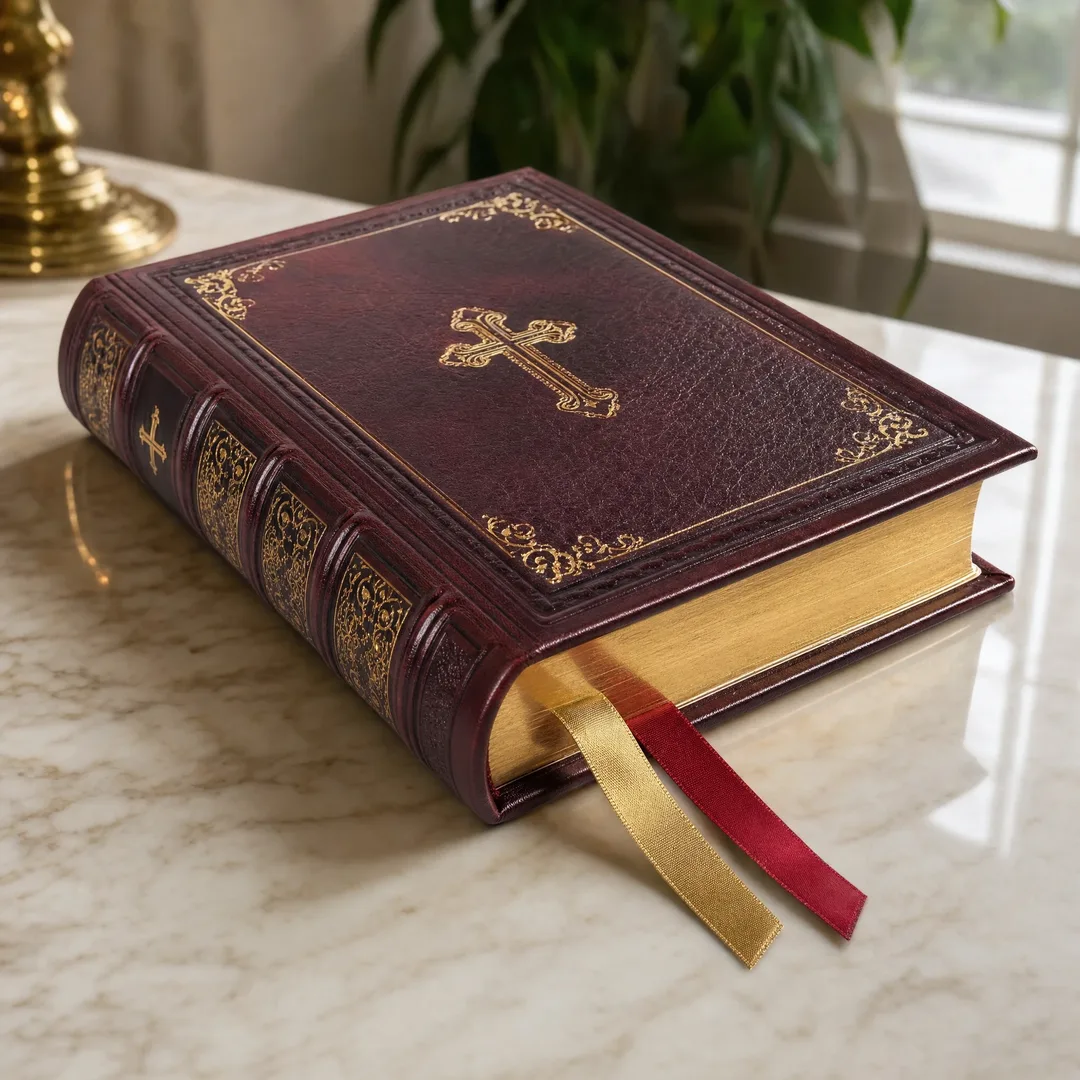
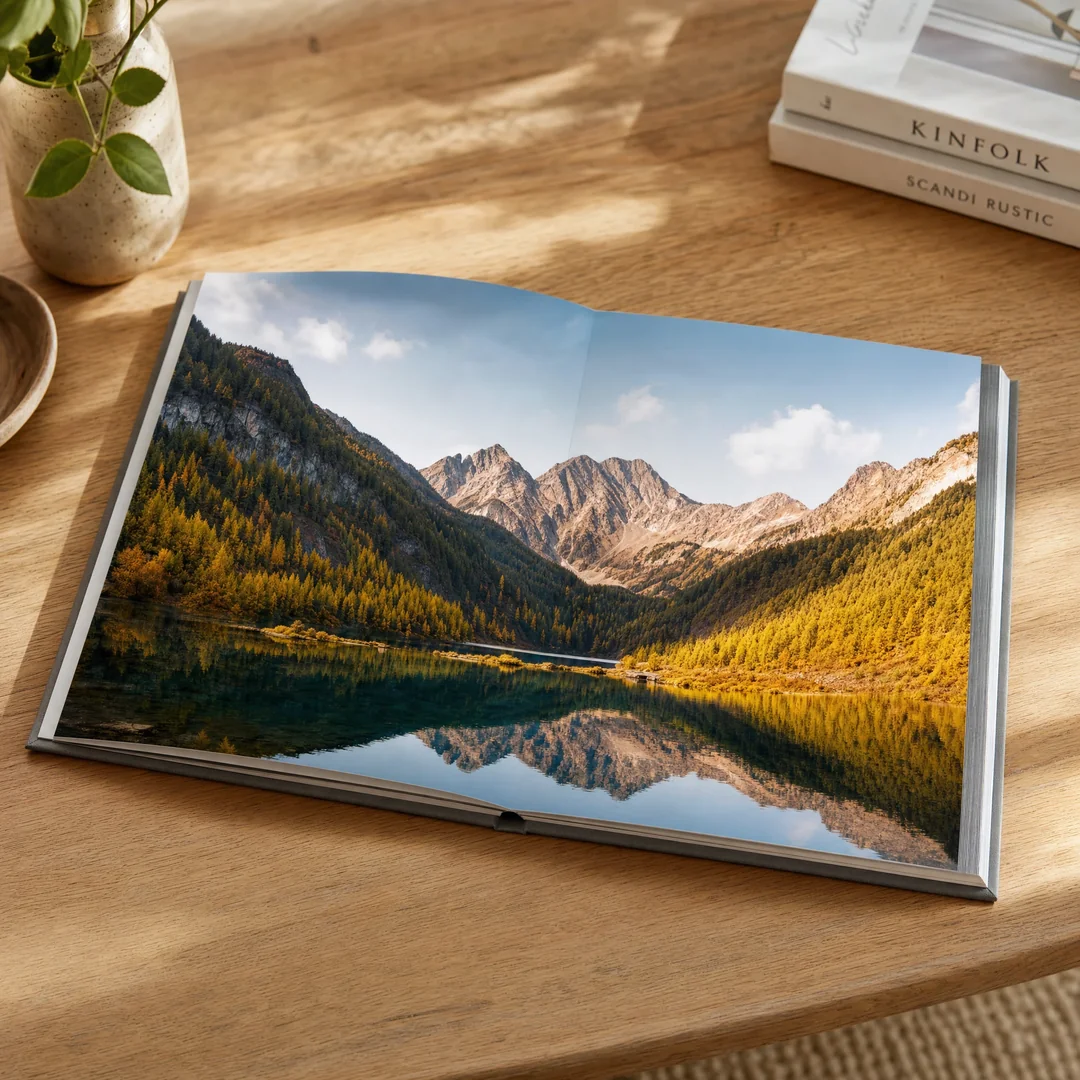
Case binding — also called hardcover binding or edition binding — is what most people picture when they think of a “real book.” The interior pages (called the “book block”) are sewn or glued together, then encased inside rigid boards covered with cloth, printed paper, or leather. The result is a book built to survive decades, not seasons.
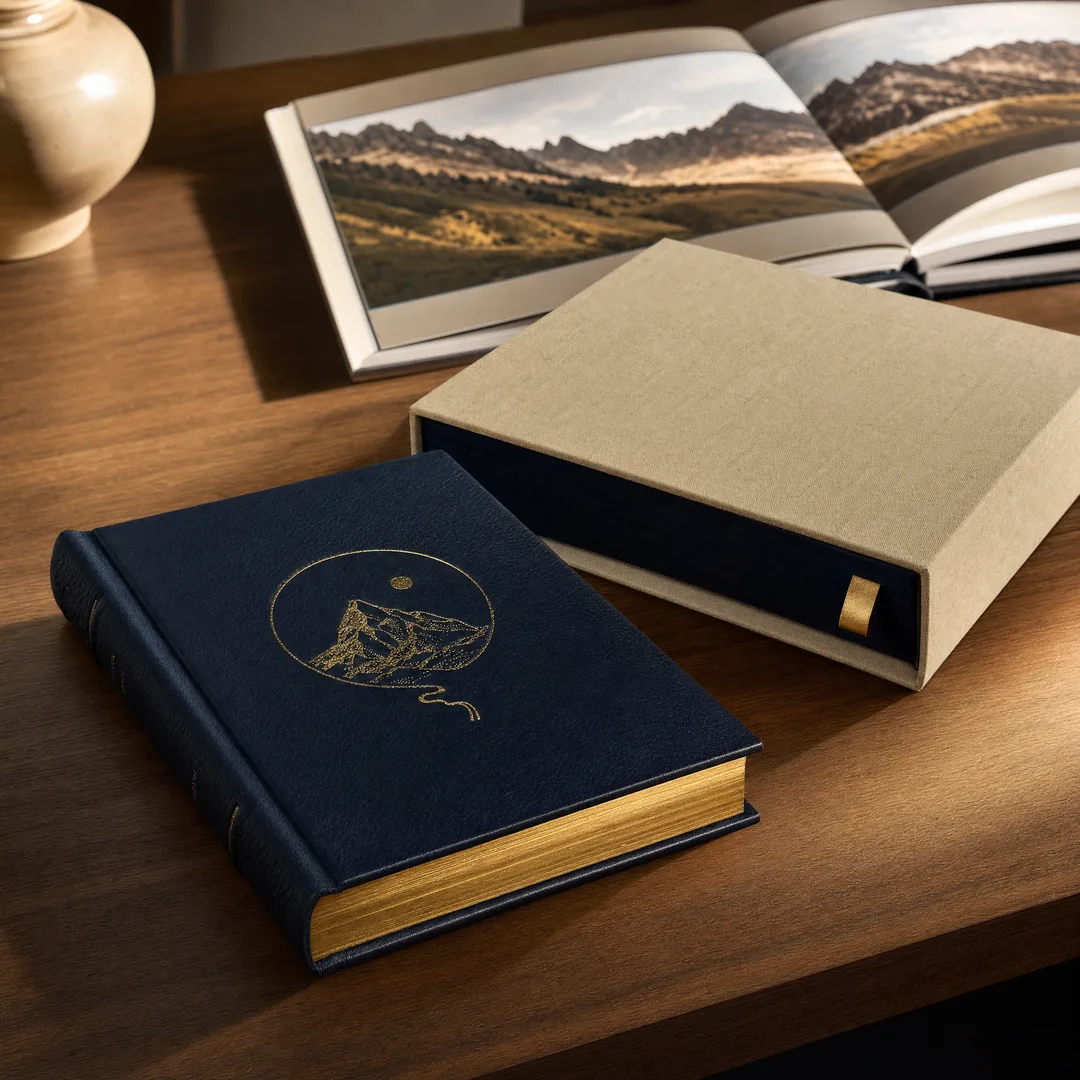
The hardcover binding vs softcover debate usually comes down to budget versus longevity. Hardcover costs more — sometimes 3 to 5 times more per unit than perfect binding — but delivers a product that libraries, collectors, and gift buyers actively prefer. If your project is a coffee table book, a deluxe edition, or anything you want people to keep on their shelves for years, case binding is the answer.
Advantages
Durability is the standout feature. A properly case-bound book withstands hundreds of readings without the spine cracking or pages falling out. The rigid cover protects the interior pages from bending and environmental damage. The spine is fully printable, and the overall package communicates quality before anyone reads a single word. Case binding also supports a wide range of cover materials — cloth, printed and laminated paper, quarter-bound combinations, foil stamping, and dust jackets — giving designers enormous creative latitude.
Drawbacks
Cost is the obvious barrier. Hardcovers require more materials, more labor, and significantly more production time. A typical case bound run takes 2 to 4 weeks from approval to delivery. The books are heavier to ship, which increases fulfillment costs for self-publishers. They do not lay flat (unless you opt for a specific sewn lay-flat construction, which adds even more cost), and the minimum page count is usually 48 to 60 pages to accommodate the case structure.
Best For
High-end photo books, art portfolios, yearbooks, memoirs, children’s picture books (non-board), corporate gift books, luxury editions, and any title where perceived value matters as much as the content itself.
Page range: 48–1,000+ pages | Cost level: $$$$ (highest) | Lay-flat: Poor (unless sewn lay-flat) | Durability: Excellent
Explore cover material options, dust jacket specs, and design templates in our hardcover binding guide .
Wire-O Binding: Professional and Functional
Wire-O binding — sometimes called twin-loop, double-loop, or wire binding — uses a series of C-shaped metal wire loops that are inserted through rectangular holes punched along the binding edge, then closed into perfect circles. The result is a clean, professional look that has become the go-to choice for business presentations, planners, and premium notebooks.
When comparing spiral binding vs wire-o binding , the key differences are aesthetic and tactile. Wire-O looks more polished. The double loops lay flatter against the spine and produce a smoother page turn. The metal wire comes in multiple colors — black, white, silver, gold, and custom hues — so designers can match the binding to the cover design.
Advantages
Pages turn a full 360 degrees, which means the book can fold completely back on itself for one-handed reading. The binding opens flat at any page with zero resistance. Wire-O is surprisingly durable for a mechanical binding — the metal loops resist deformation better than plastic coils. The rectangular punch holes are less prone to tearing than the round holes used in spiral binding. A Wire-O bound document with a heavy cover feels substantial and premium, easily rivaling case bound books in perceived quality at a fraction of the cost.
Drawbacks
The metal loops can get crushed if the book is packed tightly in a bag or dropped, and once bent, they do not spring back. Wire-O is limited to roughly 250–300 pages (about 1 inch thick), after which the wire diameter needed becomes impractical. The binding edge is exposed and can catch on fabric or adjacent books. And unlike perfect binding or case binding, there is no printable spine — the wire itself prevents it.
Best For
Business proposals, training manuals, planners and journals, cookbooks intended for heavy kitchen use, presentation decks, wall calendars, and recipe books where lying flat is non-negotiable.
Page range: 8–300 pages | Cost level: $$ (low to moderate) | Lay-flat: Excellent (360°) | Durability: Moderate to high
Get detailed specs, color options, and design templates in our Wire-O binding guide .
Spiral / Coil Binding: The Ultimate Lay-Flat Experience
Spiral binding — also called coil binding — threads a continuous plastic or metal coil through a series of round holes punched along the binding edge. Unlike Wire-O’s rectangular holes and discrete loops, spiral binding uses one continuous helix that runs the full length of the spine. The coil is crimped at both ends to prevent unraveling.
In the spiral binding vs wire-o binding comparison, spiral comes out ahead on durability and raw functionality, while Wire-O wins on looks. A spiral coil can take more abuse than twin-loop wire without deforming. If the book gets squashed in a backpack, the plastic coil usually bounces back. Spiral coils also accommodate thicker books — up to about 2 inches or 440 pages with heavy-duty coils.
Advantages
The 360-degree page rotation is flawless. Fold the book completely around for one-handed use, or lay it open flat on a table without any spring-back. Plastic coils come in dozens of colors, making them a popular choice for branded materials. The round punch holes are smaller and less visible than Wire-O’s rectangular holes, which some designers prefer. Spiral binding is also a strong choice for book binding for print-on-demand applications involving workbooks or manuals, because the coil can be installed quickly by automated equipment.
Drawbacks
Plastic coils look less premium than Wire-O — they have a utilitarian, office-supply aesthetic that does not suit all projects. Metal coils are more durable but add cost. Like all mechanical bindings, spiral bound books have no printable spine. Pages can shift slightly along the coil over time, causing uneven edges. And because the coil is one continuous piece, you cannot open and re-close the binding to add or remove pages — unlike comb binding.
Best For
Workbooks, training materials, cookbooks, academic notes, instruction manuals, sheet music, presentation handouts, and any document that needs to stay open while the reader’s hands are busy doing something else.
Page range: 8–440 pages | Cost level: $$ (low to moderate) | Lay-flat: Excellent (360°) | Durability: High (especially metal coils)
Compare coil materials, color palettes, and design considerations in our spiral and coil binding guide .
Sewn Binding / Smyth Sewn: Built to Last Generations
Smyth sewing — named after the Smyth sewing machine invented in the 19th century — is the gold standard of book durability. Rather than gluing loose pages together, Smyth sewing stitches folded signatures (groups of 16 or 32 pages) through the fold line using a continuous thread. The stitched signatures are then glued together at the spine and attached to a cover — either a softcover (creating a sewn binding paperback) or a hardcover case.
When publishers talk about books that need to “last,” they mean Smyth sewn. This is how textbooks, library editions, bibles, and archival-quality books are constructed. A Smyth sewn book can outlast its owner.
Advantages
The pages will not fall out. Ever. The stitching through the fold means every leaf is physically locked into the book block. Sewn books lay flatter than glued books because the signatures can flex independently. The gutter margin is smaller because the pages open more completely, which means less content gets lost in the center crease. Sewn binding also handles very high page counts — 1,000+ pages is routine. This is the only binding method that serious libraries and archives trust for long-term collections.
Drawbacks
The equipment needed for Smyth sewing is expensive, and the process itself is significantly slower than perfect binding. This translates to higher per-unit costs and longer production lead times — typically 3 to 6 weeks for a sewn hardcover run. The minimum page count is higher than most other methods (typically 40–60 pages, since you need at least 2–3 signatures). And for very short runs or single copies, the setup costs can be prohibitive.
Best For
Textbooks, reference books, art books, high-end photo books, family history books, limited editions, library editions, Bibles and religious texts, and any project where the book needs to last 20 years or more.
Page range: 40–1,200+ pages | Cost level: $$$–$$$$ (high) | Lay-flat: Very good | Durability: Exceptional
Learn about Smyth sewn versus sewn perfect binding, paper grain direction, and signature layout in our sewn binding guide .
Board Book Binding: Built for Tiny Hands
Board books occupy a unique niche in the publishing world. Instead of paper pages, board books use thick, stiff paperboard — typically 1mm to 2mm thick per page — with full-color printing laminated directly onto each board. The pages are then bound together, usually with a glued spine and a durable cover that matches the interior board stock. This is a specialized type of book binding designed for one specific audience: children under four years old.
If you have ever watched a toddler chew on a book, throw it across the room, or attempt to use it as a stepping stool, you understand why board book binding exists. Paper pages would not survive five minutes.
Advantages
Indestructibility is the selling point. Board books resist tearing, bending, chewing, drool, and general toddler-related chaos. The thick pages are easy for small hands to turn — an important developmental consideration. The laminated surface wipes clean with a damp cloth. Board books are typically small (5×5 to 8×8 inches) and lightweight enough for a child to carry around independently.
Drawbacks
The page count is severely limited — most board books run 8 to 32 pages. The thick board stock means a 20-page board book is already over half an inch thick. Printing costs are high relative to paper books because the substrate is expensive and the binding process is specialized. The small format and rigid pages are perfect for simple stories and concept books but impractical for anything text-heavy. Production lead times are longer than standard perfect binding because board book manufacturing requires different equipment.
Best For
Children’s books for ages 0–4, concept books (ABCs, colors, numbers), bedtime stories, baby shower gifts, and any product sold in the children’s book market where durability is the primary purchase consideration.
Page range: 8–32 pages | Cost level: $$$ (moderate to high) | Lay-flat: Moderate to good | Durability: Exceptional for its purpose
Explore board book printing specs, safety standards, and design guidelines in our board book printing guide .
Comb Binding / Plastic Comb: The Office Classic
Comb binding, sometimes called GBC binding (after the General Binding Corporation that popularized it), uses a pre-formed plastic spine with a series of curved tines that fit through rectangular holes punched along the binding edge. The comb is opened with a special machine, the pages are placed onto the open tines, and the comb is then closed to lock everything in place.
Among the mechanical book binding types , comb binding sits squarely in the practical, budget-friendly camp. It may not look as sleek as Wire-O, but it has one killer feature none of the other mechanical methods offer: you can open the comb, add or remove pages, and re-close it — repeatedly.
Advantages
The ability to edit content after binding is comb binding’s defining advantage. Training departments love it for this reason — manuals get updated, and comb binding makes updates trivial. The plastic combs are inexpensive, available in multiple colors, and capable of binding documents up to about 2 inches thick (roughly 425 pages with standard paper). Comb binding machines are affordable enough that many offices own their own, making it one of the very few book binding methods that can be done entirely in-house.
Drawbacks
Aesthetics are the main weakness. Comb binding looks like an office product, not a published book. The plastic comb protrudes noticeably from the spine and can snag on things. The plastic tines can break if the document is handled roughly, and over time combs can yellow or become brittle with UV exposure. Pages do not turn as smoothly as Wire-O because the tines create slightly more friction. There is no printable spine.
Best For
Training manuals that get updated periodically, internal reports, employee handbooks, school projects, cookbooks for personal use, reference binders where adding pages is expected, and any document where function matters far more than form.
Page range: 8–425 pages | Cost level: $ (lowest) | Lay-flat: Good | Durability: Low to moderate (re-editable)
Book Binding Methods: The Complete Comparison Table
When you are deep in planning and need to make a decision fast, a side-by-side comparison beats reading paragraphs. The table below covers every major book binding type across the dimensions that actually matter for production decisions.
Binding Method
Page Range
Cost Level
Durability
Lay-Flat
Printable Spine
Best Use Case
Production Speed
Saddle Stitching 8–80
$ (lowest)
Low
Good
No
Booklets, zines, small magazines
1–3 days
Perfect Binding 40–400
$$ (low–moderate)
Moderate
Poor
Yes
Novels, nonfiction, catalogs
3–7 days
Case Binding 48–1,000+
$$$$ (highest)
Excellent
Poor
Yes
Premium books, art portfolios
2–4 weeks
Wire-O Binding 8–300
$$ (low–moderate)
Moderate–High
Excellent
No
Planners, manuals, presentations
1–5 days
Spiral/Coil Binding 8–440
$$ (low–moderate)
High
Excellent
No
Workbooks, cookbooks, manuals
1–5 days
Smyth Sewn 40–1,200+
$$$–$$$$ (high)
Exceptional
Very Good
Yes
Textbooks, library editions
3–6 weeks
Board Book 8–32
$$$ (moderate–high)
Exceptional
Moderate–Good
Yes
Children’s books (ages 0–4)
2–5 weeks
Comb Binding 8–425
$ (lowest)
Low–Moderate
Good
No
Training manuals, handbooks
1–3 days
How to Choose the Right Book Binding for Your Project
Every binding decision comes down to a handful of practical questions. Answer these in order and the right choice will surface on its own.
1. What Is the Primary Job of This Book?
Start with function. Is the reader going to hold this book open on a kitchen counter while cooking? That rules out perfect binding and case binding immediately — you need spiral, Wire-O, or comb. Is this a novel that someone will read in bed or on a plane? Perfect binding is the natural fit. Is this a high-end photography book meant to impress as a gift? Case binding — and probably Smyth sewn case binding — is your only real option. Is this for a toddler? Board book, no question.
2. How Many Pages Are You Working With?
Page count eliminates options fast. Under 48 pages: saddle stitching or a mechanical binding. Between 48 and 400 pages: perfect binding opens up as a strong option. Over 400 pages: you are looking at sewn binding or case binding with sewn construction. The book binding cost comparison table above gives you the ranges at a glance.
3. What Is Your Budget Per Unit?
Here is a rough ranking, from cheapest to most expensive: saddle stitching and comb binding sit at the bottom of the cost curve. Spiral, Wire-O, and perfect binding occupy the middle tier — expect to pay $1.50 to $4.00 per unit for typical runs. Board books come next at $3.00 to $8.00 per unit depending on page count and quantity. Case binding and Smyth sewn hardcovers sit at the top, running anywhere from $6.00 to $25.00 or more per unit for complex productions.
4. Are You Using Print-on-Demand?
If you are self-publishing through a POD platform, your options narrow considerably. Amazon KDP, IngramSpark, and most POD services support perfect binding and hardcover case binding almost exclusively. Saddle stitching appears as an option on some platforms for very short works. Mechanical bindings (Wire-O, spiral, comb) are generally not available through mainstream POD — you will need a specialty printer for those. If book binding for print-on-demand is your path, perfect binding and case binding are your two realistic choices.
5. How Long Does This Book Need to Last?
A conference program that will be thrown away after two days? Saddle stitch it. A training manual that will be opened and closed hundreds of times over two years? Wire-O or spiral. A novel that someone will read once and shelve? Perfect binding is fine. A family history book meant for grandchildren not yet born? Smyth sewn case binding. Match the book binding method to its expected lifespan and you will never overpay for durability you do not need — or under-build something that falls apart ahead of schedule.
Frequently Asked Questions About Book Binding
What Is the Cheapest Book Binding Method?
Saddle stitching is consistently the least expensive option. For a 24-page saddle-stitched booklet, unit costs can drop below $0.30 in quantities over 1,000. Comb binding is the runner-up, especially for in-house production where you already own the binding machine. If you need a spine and a professional retail look at the lowest possible price, perfect binding with hot-melt glue is your entry point.
Which Binding Method Is the Most Durable?
Smyth sewn binding combined with a case bound hardcover is the most durable book binding type available in commercial printing. The sewn signatures will not detach, the hardcover case protects against physical damage, and the overall construction can easily survive 50+ years of regular use. For children’s books specifically, board book binding is the durability champion within its category.
Can Perfect Bound Books Lay Flat?
Standard perfect bound books do not lay flat — the glued spine resists opening past roughly 160 degrees. Some printers offer “lay-flat perfect binding” that uses a special scoring technique on the cover and a flexible adhesive, but this is a premium upgrade and still does not match the 360-degree flatness of spiral or Wire-O binding. If lay-flat capability is critical to your project, choose a mechanical binding or sewn binding instead.
What Is the Best Binding for Self-Publishing on Amazon KDP?
For most self-publishers, the best book binding for self-publishing through Amazon KDP is perfect binding for paperbacks and case binding for hardcovers. These are the two formats KDP supports natively. Perfect binding is the most common choice — it is affordable, looks professional, and meets reader expectations for a standard trade paperback. If you are publishing a premium edition or a book with strong gift potential, add a case bound hardcover option.
How Do I Choose Between Spiral Binding and Wire-O?
This question comes up constantly in the spiral binding vs wire-o binding debate. The short answer: choose Wire-O when appearance matters and the book will be handled with reasonable care. Choose spiral when maximum durability and frequent rough handling are the priority. Wire-O looks more professional and feels smoother when turning pages. Spiral coils bounce back from being crushed and handle thicker books better. For a business proposal or client-facing document, go Wire-O. For a shop manual or field guide, go spiral.
What Binding Method Do Most Novels Use?
Commercial paperback novels use perfect binding almost exclusively. Hardcover novels use case binding — typically with Smyth sewn signatures for trade hardcovers and glued signatures for mass-market hardcovers. If you are publishing a novel, the book binding types that matter to you are perfect binding (paperback) and case binding (hardcover).
Do I Need Sewn Binding for a Book Under 100 Pages?
Probably not. Sewn binding’s main advantages — extreme durability and handling very high page counts — are less relevant for books under 100 pages. Perfect binding or saddle stitching (depending on your exact page count) will do the job at a fraction of the cost. The exception would be an archival-quality project where longevity is the entire point, regardless of length.
Make the Right Binding Decision for Your Book
Choosing the right book binding method is one of those decisions that feels technical at first but is really about knowing your reader. What are they going to do with this book? Where will they read it? How long do you want it to last? Answer those questions honestly and the binding choice almost makes itself.
The eight methods covered in this guide — saddle stitching, perfect binding, case binding, Wire-O, spiral, Smyth sewn, board book, and comb binding — cover nearly every commercial publishing scenario. Each has strengths and trade-offs, and none is universally “best.” The best binding is the one that matches your purpose, your page count, your budget, and your reader’s expectations.
At EcoPrinting, we work with authors and publishers to match their projects to the right production method every day. If you are unsure which type of book binding fits your specific project, reach out for a consultation. We will look at your manuscript, your goals, and your budget, and help you make the call with confidence.