What Is Wire-O Binding and Why It Deserves Your Attention
If you’ve ever wrestled with a cookbook that kept snapping shut mid-recipe, or flipped through a presentation report that just looked and felt expensive , you’ve already experienced the difference that binding makes. Among the many ways to hold printed pages together, Wire-O binding stands out as one of the most practical and visually impressive options available today.
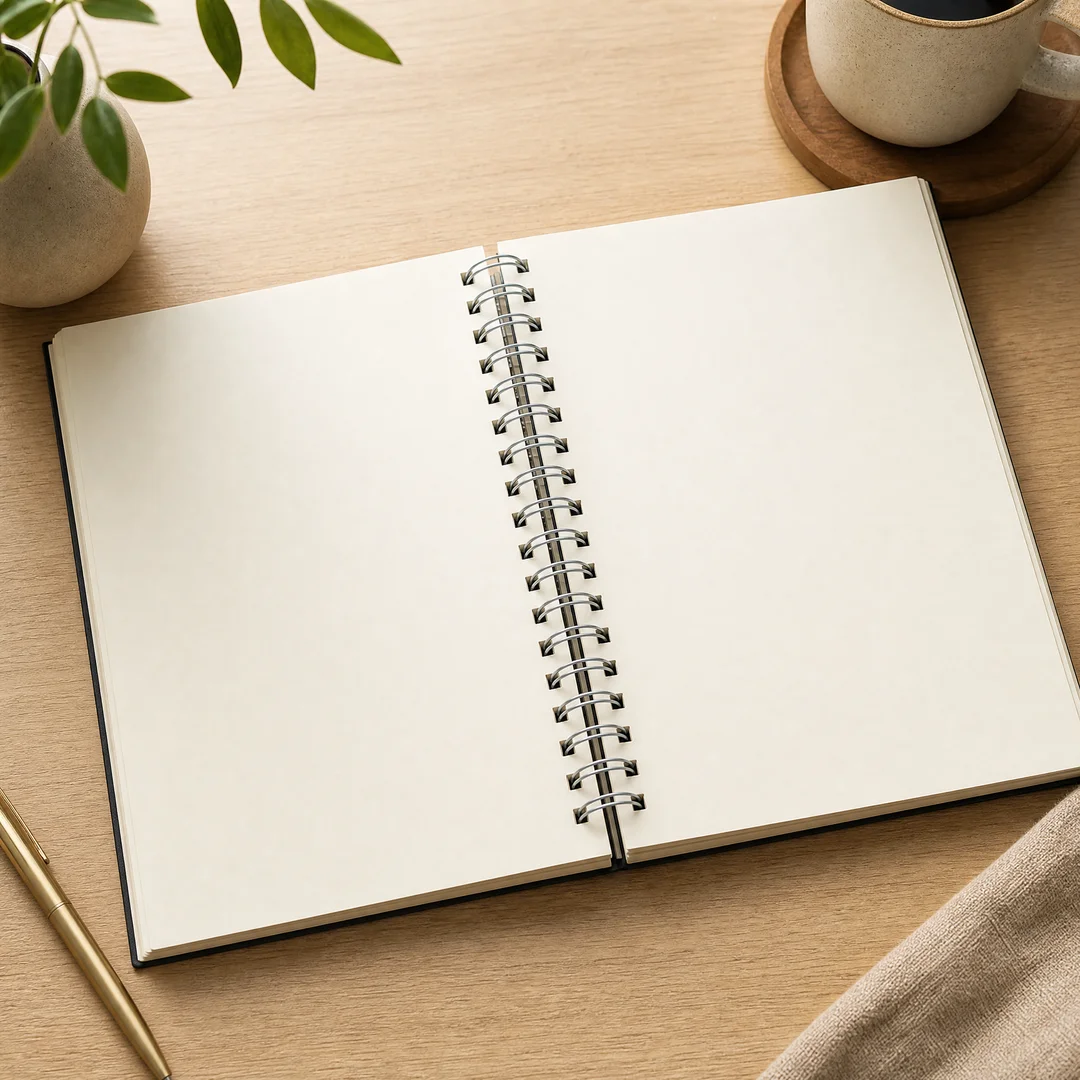
Wire-O binding — also called twin-loop binding, double-loop binding, or simply wire binding — uses a series of double metal wire loops that pass through rectangular holes punched along the edge of a document. The wire starts as a C-shaped spine, gets inserted through the holes, and is then mechanically closed into a round shape that holds every page securely in place. The result? A book or booklet that opens flat, stays open, and looks polished enough for a boardroom table.
This isn’t a new invention, but it’s one that keeps winning fans across industries. From corporate training manuals to wedding albums, from lab notebooks to restaurant menus, Wire-O binding bridges the gap between function and style in a way few other techniques can match. Let’s break down exactly how it works and why it might be the right choice for your next print project.
How Wire-O Binding Works — A Surprisingly Simple Process
At its core, the Wire-O process is refreshingly straightforward. The pages of your document get printed, trimmed to size, and collated in the right order. Then a specialized punching machine creates a series of square or rectangular holes along the binding edge — usually at a pitch of either 3 holes per inch (3:1) for thinner books or 2 holes per inch (2:1) for thicker ones.
Once the holes are punched, a pre-formed C-shaped wire spine — with its signature double-loop pattern — gets threaded through all the holes at once. A wire closing machine then squeezes the open C-shape into a closed circle, permanently locking the pages together. The whole thing happens in seconds once the setup is done.
One detail worth knowing: the binding can go on the left side for a traditional portrait-oriented book, or along the top edge for calendars, flip charts, and wall-mounted reference guides. This flexibility opens up design possibilities that glued bindings simply can’t offer.
And here’s a little secret that print professionals know well — the rectangular punch holes of Wire-O binding, as opposed to the round holes used in spiral coil binding, are what make the pages sit in perfect horizontal alignment. No sag, no drift, no pages sitting a millimeter lower than their neighbors. Every spread lines up exactly as the designer intended.
Key Advantages That Set Wire-O Binding Apart
Durable and Professional, Not Just “Good Enough”
Let’s be honest — plastic comb bindings get the job done, but they rarely inspire confidence. Wire-O binding uses metal, and metal communicates permanence. The double-loop construction means each wire acts like a tiny spring, holding pages firmly without tearing the paper around the punch holes. Even with daily flipping and handling, a well-bound Wire-O document stays intact far longer than comb-bound alternatives.
There’s a reason law firms, architecture studios, and corporate training departments reach for Wire-O when it’s time to present. The metallic finish catches light differently than plastic, and the clean, uniform loops along the spine project a level of care that says “this document matters.” It’s the difference between showing up in a pressed shirt versus a wrinkled t-shirt — both technically cover you, but only one makes the right impression.
Lay-Flat Design That Actually Works
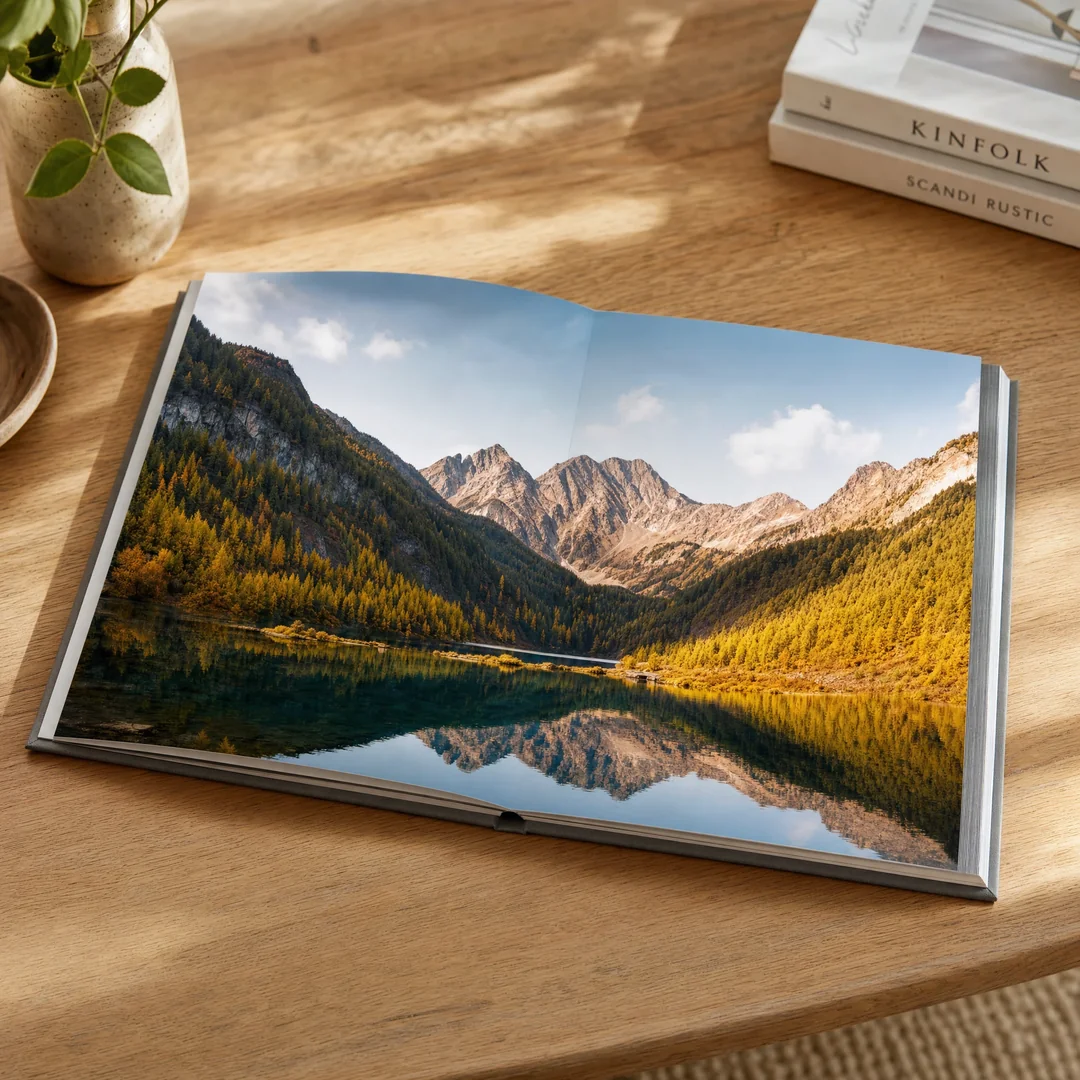
Picture this: you’re following a wiring diagram in a technical manual, one hand holding a tool, the other trying to keep the page in place. With a perfect-bound or saddle-stitched book, you’re fighting gravity. With Wire-O, the book opens completely flat on the table — and if you need to, you can fold it all the way around, 360 degrees, so only the page you need is visible.
This isn’t just a convenience feature. For field technicians, chefs, musicians, and lab workers, a book that stays open hands-free is a genuine productivity tool. It means you can read and work simultaneously without improvising a paperweight out of a coffee mug.
Perfect Page Registration — No More “Wonky” Spreads
Here’s something you might not notice consciously, but you’ll definitely feel it when it’s wrong. In spiral coil binding, the continuous coil can sometimes allow individual pages to shift slightly — maybe a millimeter down, maybe half a millimeter up. On a single page, it’s barely noticeable. On a two-page spread with a diagram or photo crossing the gutter, that misalignment can ruin the visual impact.
Wire-O binding eliminates this problem entirely. Because each pair of wire loops forms its own independent hinge point, every page aligns perfectly edge-to-edge with its neighbor. This makes Wire-O the binding of choice for projects where visual precision matters: real estate brochures with full-bleed property photos, fashion lookbooks, architectural plan sets, and medical reference guides where every detail counts.
Customization That Matches Your Brand
The binding itself doesn’t have to be boring. Wire-O spines come in colors that range from understated (black, white, silver) to bold (red, blue, gold, and everything in between). You can match the wire to your brand colors, coordinate it with the cover design, or use a contrasting shade to make the binding a deliberate design feature rather than something to hide.
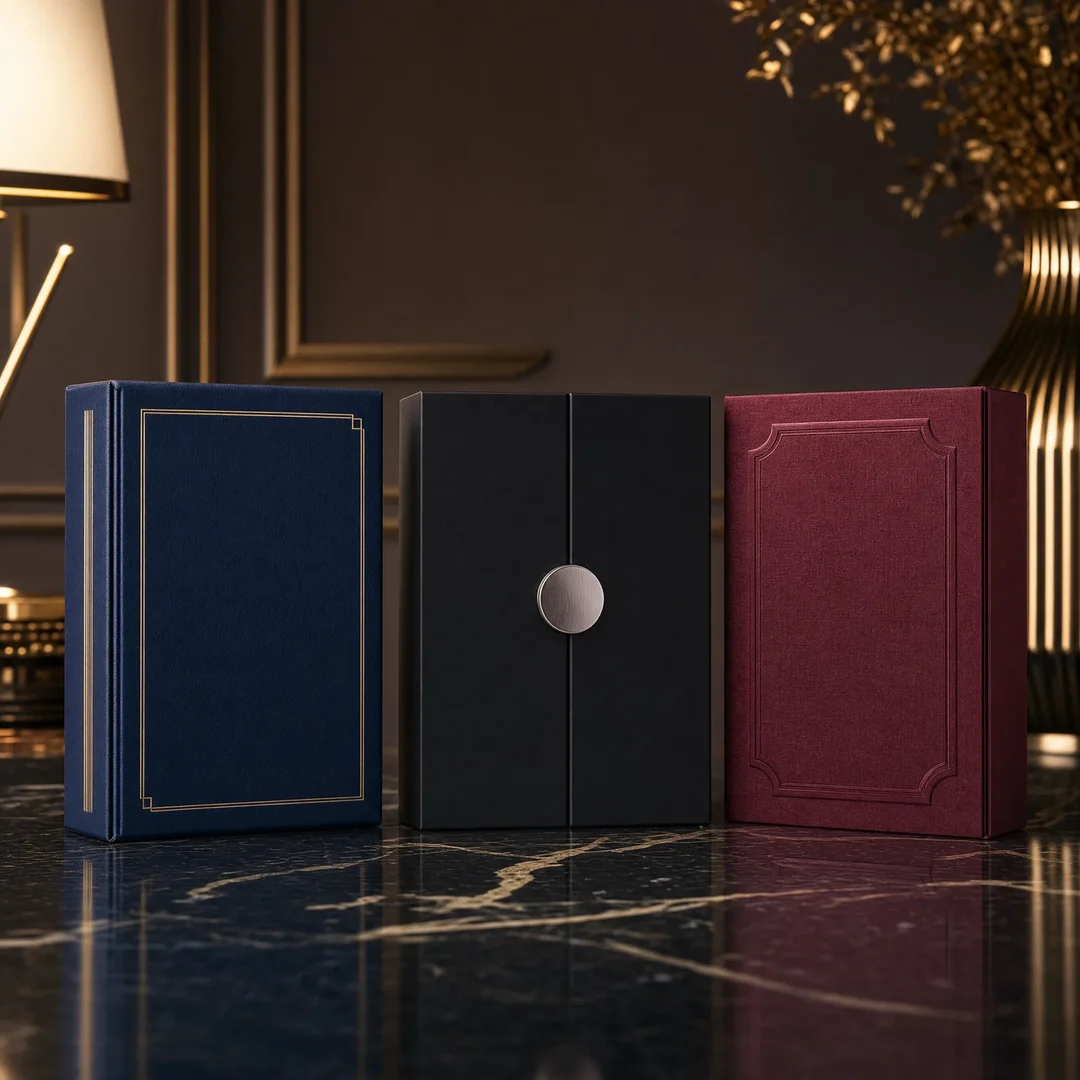
Beyond color, the cover material is entirely up to you. Clear acetate covers let a full-color title page show through. Heavy cardstock adds rigidity. Leather-grain or linen-textured covers bring a tactile quality that elevates the entire product. You can mix paper weights within the same book too — thin pages for the bulk of the content, tab dividers on heavier cardstock, and a sturdy back cover to give the whole thing structure.
Types of Wire-O Binding — Know Your Options
Double Loop Wire Binding (Standard Wire-O)
This is the classic version most people picture when they hear “wire binding.” Each binding element consists of a pair of small wire loops, shaped like a figure-8 from the side, arranged along a C-shaped spine. When closed, the loops form a clean, circular profile. It’s the go-to choice for business reports, training materials, journals, and planners — anything where you want the premium look without overcomplicating things.
Comb Binding — The Budget Cousin
Comb binding uses a plastic spine with flexible teeth that curl through rectangular holes — similar concept, but entirely different material. It’s cheaper and the combs can be reopened to add or remove pages, which gives it an edge for documents that get updated frequently. However, the plastic teeth can crack over time, and comb-bound documents don’t open quite as flat as Wire-O. The appearance is noticeably less refined, which is why comb binding usually stays in the realm of internal office documents and student projects.
Concealed Wire-O Binding — Hidden Elegance
Sometimes you want the functional benefits of Wire-O but you’d rather not see the metal spine. Concealed Wire-O binding solves that by hiding the wire mechanism inside a wrap-around cover, leaving only a clean, printed spine visible from the outside. The book opens flat like any Wire-O document, but sitting on a shelf it looks like a perfect-bound or case-bound book. This option is popular for high-end catalogs, corporate annual reports, and premium notebooks where shelf appeal matters as much as usability.
The Production Process — From Design File to Finished Book
Understanding the steps involved helps you plan your project timeline and communicate clearly with your printer. Here’s how a typical Wire-O binding job moves from start to finish:
Step 1: Design and Layout. Your pages get designed and laid out with adequate margin on the binding side — typically around 3/8 of an inch. This ensures the punched holes don’t eat into your text or important design elements. Full-bleed backgrounds are fine, but any critical content near the binding edge needs breathing room.
Step 2: Printing. The pages print on the selected paper stock, usually with full-color digital or offset printing depending on the run size. Both single-sided and double-sided printing work perfectly with Wire-O.
Step 3: Collating. After printing, the sheets get organized in sequential page order. For larger runs, this step is automated. For smaller, more complex projects with mixed paper stocks or tab dividers, manual collation ensures every copy is assembled correctly.
Step 4: Punching. A hydraulic or electric punch creates the square holes along the binding edge. The punch pattern varies depending on the pitch — 3:1 for books up to roughly 120 sheets, 2:1 for thicker books up to about 1.25 inches total thickness.
Step 5: Wire Insertion and Closing. The C-shaped wire spine slides through all the punched holes simultaneously, then a closing mechanism squeezes the spine into a round shape. This step requires precision — too loose and pages fall out, too tight and pages won’t turn freely. A properly closed wire lets pages glide with minimal resistance.
Step 6: Trimming and Quality Check. If needed, the book gets a final trim on the non-binding edges, followed by a thorough inspection. Each page should turn smoothly, the wire should be uniformly closed, and the overall appearance should be clean and professional.
Who Uses Wire-O Binding? Common Applications Across Industries
The versatility of Wire-O binding means it pops up in places you might not expect. Here’s a snapshot of the most common use cases:
Corporate and Business. Annual reports, sales proposals, training manuals, employee handbooks, and board meeting packages. When you want the document to feel substantial and investment-worthy, Wire-O delivers.
Education. Textbooks, workbooks, lab manuals, and study planners. The lay-flat feature is especially valuable for students who need to write while referencing the text.
Food and Hospitality. Restaurant menus, recipe books, and kitchen reference guides. Spills happen in kitchens — a Wire-O bound book with laminated pages shrugs off moisture far better than a glued spine.
Creative and Professional Services. Photography portfolios, architecture plan books, fashion lookbooks, and design pitch decks. The perfect page registration makes cross-page imagery look seamless.
Personal and Lifestyle. Wedding planning books, travel journals, baby albums, personalized planners, and wall calendars. Wire-O binding on the top edge of a calendar lets it hang neatly on any wall.
Industrial and Technical. Equipment manuals, maintenance logs, safety procedure guides, and parts catalogs. These often need to withstand workshop conditions while staying open for hands-free reference.
How Does Wire-O Compare to Other Binding Methods?
Wire-O vs Saddle Stitch
Saddle stitching — basically stapling through the fold of a booklet — is fast, cheap, and perfectly fine for brochures and thin magazines under 64 pages. But it won’t lay flat, the staples can snag, and the page count has to be in multiples of four. Wire-O costs more per unit but handles higher page counts, opens completely flat, and looks far more polished. For anything thicker than a pamphlet, Wire-O wins on both function and form.
Wire-O vs Perfect Bound
Perfect binding gives you that classic paperback book look with a printable spine and flush-cut edges. It’s the standard for novels, thicker catalogs, and magazines. The trade-off? Perfect-bound books resist staying open — push too hard and the glue spine cracks. Wire-O sacrifices the printable spine but gains total lay-flat functionality. If your reader needs to use the book while doing something else, Wire-O is the clear winner. If shelf aesthetics and spine labeling matter more, perfect binding takes the crown.
Wire-O vs Spiral (Coil) Binding
This is the comparison people ask about most often, and for good reason — they look similar at a glance. But the differences are meaningful. Spiral binding uses a continuous plastic or metal coil threaded through round holes. It’s generally cheaper, more crush-resistant (plastic coils bounce back when squished), and safer for children’s books since there are no metal edges. Wire-O, on the other hand, offers superior page alignment, a more premium metallic appearance, and smoother page turning because each loop moves independently.
The bottom line: choose spiral binding for high-volume, budget-conscious projects and children’s materials. Choose Wire-O when presentation quality, page alignment, and professional appearance are priorities.
How to Pick the Right Wire Size and Color
Getting the wire diameter right is one of those details that separates a great finished product from a frustrating one. Too small and the pages bind up tight — hard to turn, prone to tearing. Too large and the book feels loose and sloppy.
The rule of thumb is simple: measure the total thickness of your stack — covers included — and pick a wire diameter slightly larger than that measurement. Here’s a practical reference for standard 20-pound bond paper:
For a thin document of around 30 to 50 sheets, a 5/16-inch wire (3:1 pitch) does the job nicely. Stepping up to 60 to 80 sheets brings you into 7/16-inch territory. For 100 to 120 sheets, you’ll want a 9/16-inch wire, still at 3:1 pitch. Once you cross the 120-sheet mark, you’re generally better off switching to 2:1 pitch with wire sizes ranging from 5/8 inch up to 1 inch, which can comfortably handle 250 or more sheets. The absolute maximum thickness for most Wire-O equipment is around 1.25 to 1.5 inches — beyond that, you’re looking at different binding methods entirely.
As for color, think about how the spine interacts with your design. Black wire is the safe, professional default that works with almost anything. Silver creates a clean, modern look. Gold or brass adds warmth and a touch of luxury — great for wedding albums and premium catalogs. Colored wires can pick up an accent from your brand palette, turning the binding from a functional necessity into a deliberate design element.
Eco-Friendly Considerations — Yes, Binding Can Be Green
Sustainability isn’t just about paper choices. The binding method itself plays a role in how recyclable your printed product is at the end of its life. Wire-O binding has a genuine environmental advantage over many alternatives: the metal wire is easily separated from the paper.
When a Wire-O bound book reaches the end of its useful life, the wire spine can be removed — either by a recycling facility or even by the end user — leaving clean paper that enters the standard recycling stream without contamination. The metal wire itself is fully recyclable. Steel and aluminum wire spines can be melted down and repurposed indefinitely, unlike plastic combs or coils that often end up in landfill.
This separation-friendly design also means Wire-O bound documents work well with recycled paper stocks and FSC-certified papers. You don’t have to compromise on environmental values to get a professional finish. For organizations with sustainability commitments, specifying Wire-O binding — especially in combination with responsibly sourced paper — is a small but meaningful decision that aligns procurement choices with environmental goals.
Frequently Asked Questions About Wire-O Binding
Can Wire-O binding handle different paper sizes? Absolutely. Wire-O works with everything from pocket-sized notebooks to large-format landscape books. The binding can run along the left edge or the top edge, giving you complete freedom over orientation and dimensions.
Is color printing supported? Yes, and it looks fantastic. Wire-O bound books typically use full-color digital or offset printing on the interior pages and covers. The binding itself doesn’t constrain your color choices at all.
Can I add or remove pages after binding? Not easily, and this is worth knowing upfront. Once the wire is closed, adding or removing pages means cutting the wire off entirely and re-binding with a new spine. Comb binding has the edge here if you need to update content regularly. For most final, published documents, though, the permanent nature of Wire-O is a feature rather than a bug — it signals a finished, professional product.
What’s the maximum thickness for Wire-O binding? Most commercial Wire-O binding equipment handles documents up to about 1.25 inches thick, which translates to roughly 280 sheets of standard 20-pound paper. Some specialized machines can go up to 1.5 inches. If your project exceeds that, talk to your printer about alternatives.
How long does production take? A typical Wire-O binding project runs about 15 to 18 business days from file approval to shipping, though this varies by printer, quantity, and complexity. Rush options are often available if you’re working against a deadline.
Will the wire rust or discolor over time? Quality Wire-O spines are coated or plated to resist corrosion. Under normal indoor conditions, they’ll look the same years later. If your book is destined for humid environments or outdoor use, ask your printer about stainless steel or coated wire options specifically rated for those conditions.
Why Choose EcoPrinting for Your Wire-O Binding Project
Choosing a printing partner is about more than just comparing quotes. At EcoPrinting, Wire-O binding is one of the specialties we’re genuinely passionate about — and it shows in the details.
We run modern, well-maintained Wire-O binding equipment that produces consistently clean closures and smooth page turns, whether your project is 50 copies of a training manual or 5,000 copies of a branded corporate journal. Our team handles the full production workflow in-house — printing, collating, punching, wire insertion, and quality inspection — which means fewer hand-offs, faster turnaround, and tighter quality control than shops that outsource part of the process.
We stock a wide selection of wire colors and sizes, from understated black and silver to custom-matched shades that align with your brand guidelines. Our paper options cover everything from uncoated stocks with a natural feel to premium coated papers that make images pop. And because we believe sustainability shouldn’t be an afterthought, we offer FSC-certified papers and can guide you toward the most environmentally responsible choices for your specific project.
What really sets us apart, though, is the support you get before your file ever reaches the press. Not sure which wire size fits your page count? Wondering whether your cover design leaves enough margin on the binding edge? Our prepress team reviews every file and flags potential issues before production starts — catching problems early saves you time, money, and frustration.
If you’re ready to start a Wire-O binding project, or just have questions about whether it’s the right choice for what you’re working on, reach out. We’re happy to walk through your options, provide a no-obligation quote, and help you get the result you’re picturing.