Understanding the Basics: What Sets Hardcover and Softcover Apart
If you are planning to print a book, one of the first choices you will face is whether to go hardcover or softcover. It sounds simple on the surface, but the decision ripples through everything: your production budget, your shipping costs, how your book feels in someone’s hands, and even how it is perceived by retailers and readers.
I have spent years working with publishers, self-published authors, and corporate clients who come to China for hardcover book printing . More often than not, they arrive with a fixed idea of what they want, only to realize halfway through the production conversation that another format would have served them better. My goal here is to save you that detour.
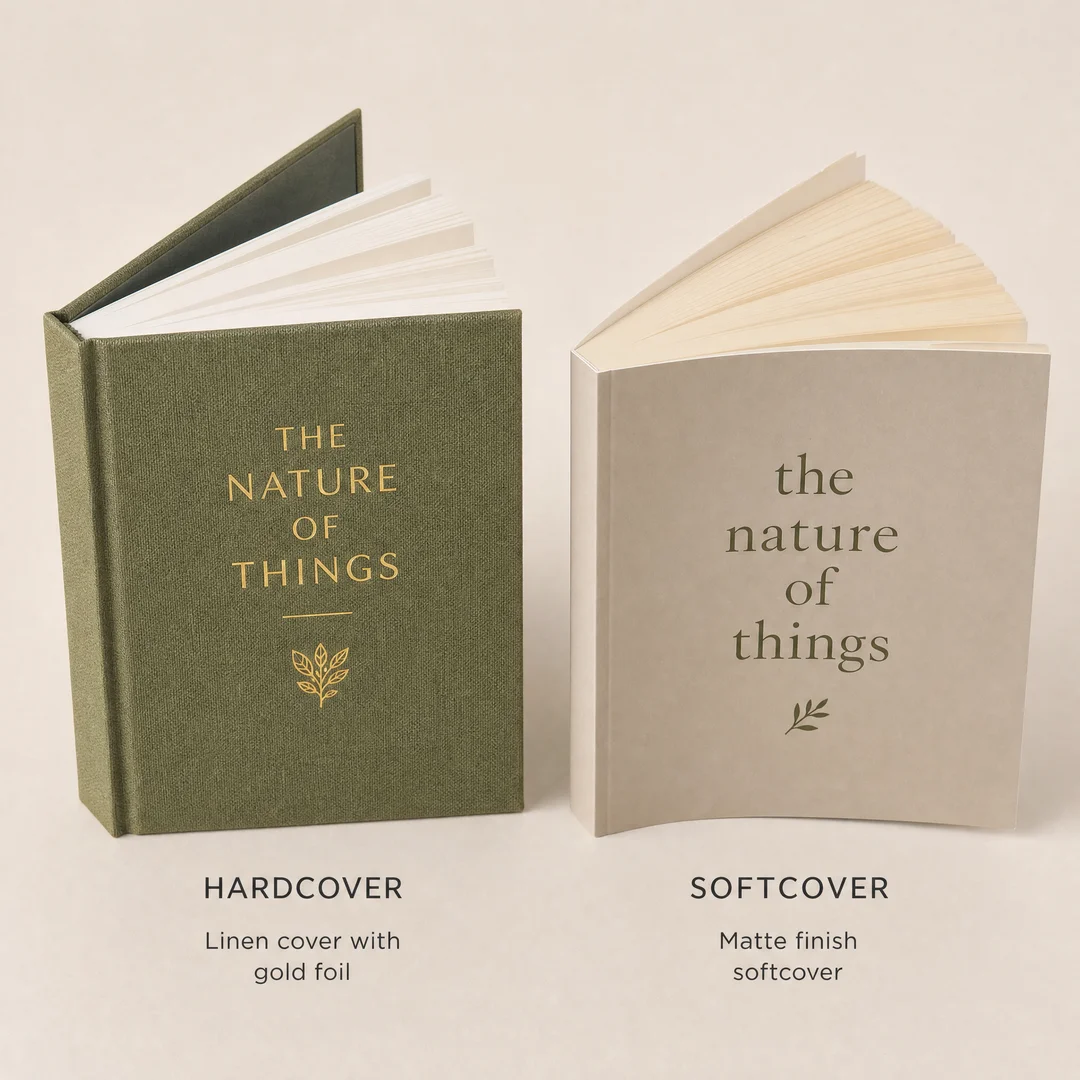
At the core, the difference between hardcover and softcover book printing is structural. Hardcover books, also called casebound or hardback, use rigid cover boards wrapped in printed paper, cloth, leather, or leatherette. The text block is typically sewn and then glued into the case, creating something built to last. Softcover books, or paperbacks, use a flexible cardstock cover with pages glued directly to the spine through perfect binding. The process is faster, lighter, and more economical.
But beyond the textbook definition lies the real question: which one is right for your specific project? The answer depends on what you are printing, who will read it, and what you want them to feel when they pick it up.
Cover Materials: More Than Just a Protective Layer
The cover is the first thing anyone notices. It is also where most of the production cost lives, especially for hardcover projects. When you print in China, you get access to a wider range of cover materials than what most domestic printers offer at a comparable price. Understanding these options helps you make smarter decisions.
Leather and Faux Leather Covers
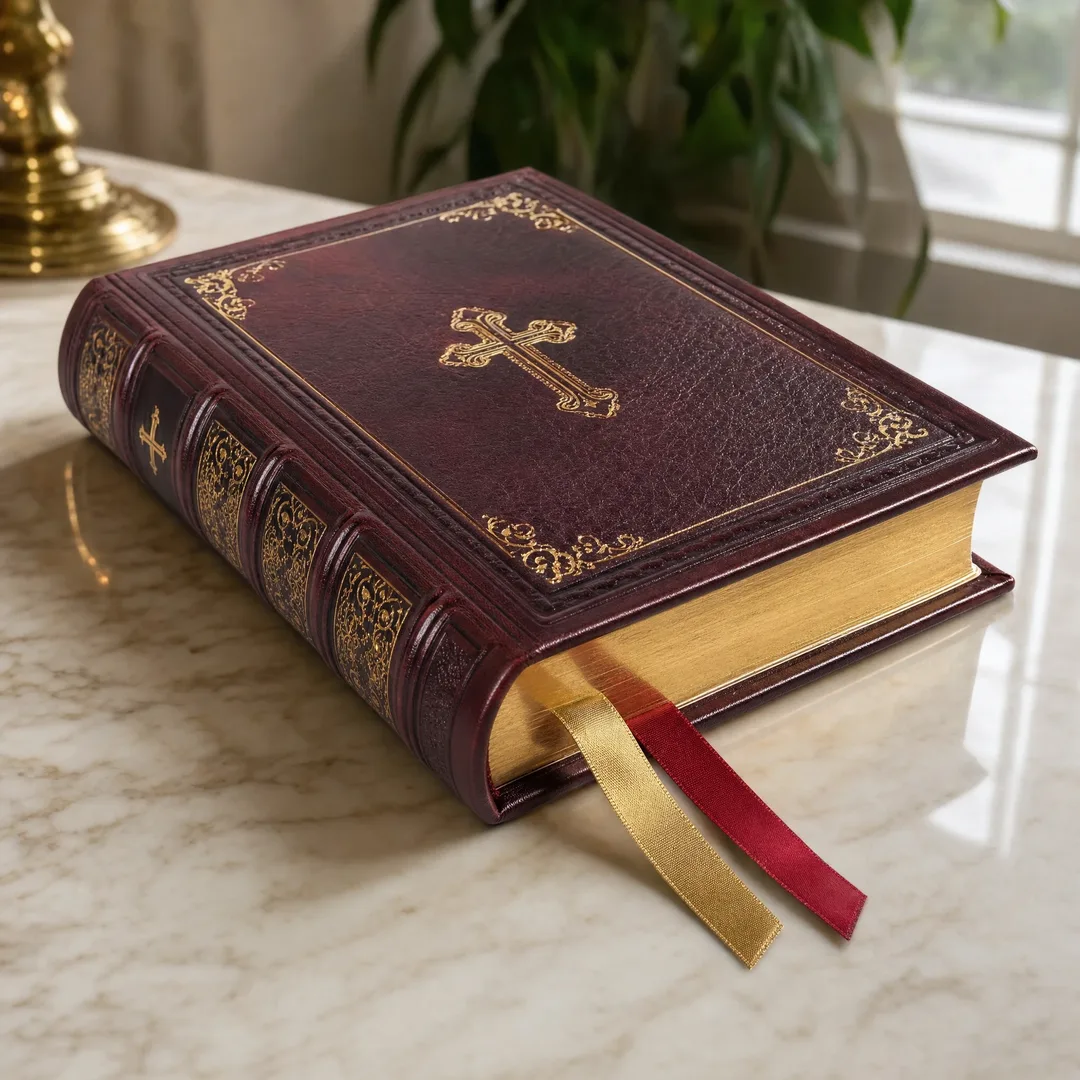
Leather book printing in China has matured into a specialized craft. Whether you choose genuine leather or high-quality PU leather, Chinese binderies offer an impressive range of colors, textures, and finishing options. Leather covers work beautifully for corporate gift books, luxury journals, commemorative editions, and premium notebooks. You can add foil stamping, debossing, or embossing to create a tactile, high-end feel that simply cannot be replicated with paper.
One thing I always tell clients: be specific about your leather grade. Genuine leather varies enormously in quality and cost. PU leather, on the other hand, gives you consistency across large print runs and is significantly more affordable while still looking refined. For most custom hardcover notebook projects coming out of China, PU leather hits the sweet spot between budget and presentation.
Linen and Cloth Covers
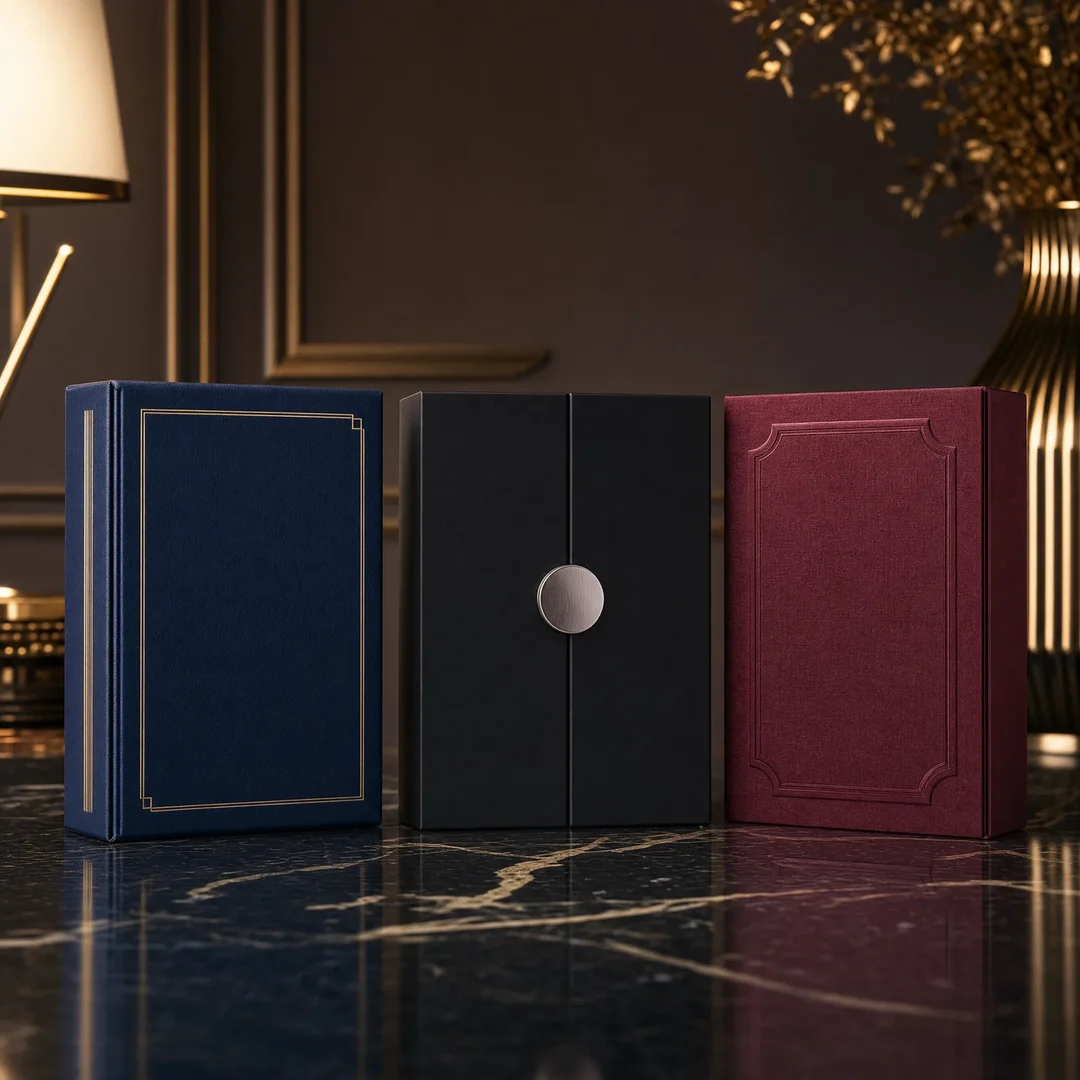
Linen cover book printing delivers a tactile warmth that paper and leather cannot quite match. There is something undeniably classic about a linen-wrapped hardcover. It feels thoughtful, artisanal, and quietly elegant. Linen covers are especially popular for wedding albums, photography books, poetry collections, and high-end corporate brochures.
The material itself is woven fabric glued over rigid board. In China, printers typically stock a standard range of linen colors, but custom dyeing is available if your project warrants it. The texture of the weave adds a layer of sensory experience that makes the book feel more valuable before the reader even opens it. Pair linen with foil stamping on the spine and you have a book that looks like it belongs in a curated bookshop window.
Printed Paper Over Board
This is the workhorse of hardcover book printing in China . A printed paper sheet is wrapped around rigid board, often finished with matte or gloss lamination for durability. It is the most cost-effective hardcover option and gives you complete design freedom on the cover, spine, and back cover. Most trade hardcovers, children’s picture books, and art books use this method. You can add spot UV, embossing, or metallic foil to elevate the look without pushing costs into leather territory.
Softcover Cardstock
For softcover book printing in China , the cover is typically 250-350 GSM coated cardstock with a lamination finish. The weight you choose affects both durability and perceived quality. A 300 GSM cover with soft-touch matte lamination feels substantially better than a glossy 250 GSM cover, and the cost difference per unit is often negligible at scale. I recommend requesting samples of different finishes before committing to a full print run. Touch matters more than most people realize.
Binding Methods: The Backbone of Book Construction
The binding determines how long your book will survive and how it behaves when someone reads it. Get this wrong and you will hear about it from customers.
Hardcover books use case binding . The pages are folded into signatures, sewn together with thread, and then glued into a rigid case. This construction is exceptionally durable. A properly case-bound book can last decades, even with frequent handling. Libraries and collectors insist on it for good reason. The sewn spine also allows the book to lay flatter when opened, which matters enormously for reference books, cookbooks, and anything readers will consult repeatedly. For a deeper look, see our hardcover binding guide .
Softcover books rely primarily on perfect binding , where pages are gathered, the spine edge is roughened, and hot-melt adhesive glues everything to the cover. It is fast, affordable, and perfectly adequate for novels, manuals, and most trade paperbacks. However, perfect-bound books do not lay flat and the glue can become brittle over time, especially in dry climates. For higher-end softcover projects, sewn perfect binding (also called PUR binding with sewing) combines the flexibility of a softcover with the durability of sewn signatures. It costs more but closes the longevity gap with hardcovers. Read more about your options in our perfect binding guide .
A third option worth mentioning is board book binding , used almost exclusively for children’s books. Thick paperboard pages are glued together and the entire block is rounded and cased. If you are printing a children’s title, check our board book binding page for specifics.
Interior Paper: The Forgotten Decision
Clients spend hours debating cover materials and then default to whatever interior paper stock the printer suggests. That is a mistake. The paper inside the book shapes the reading experience just as much as the cover does.
For novels and text-heavy books, 80-100 GSM uncoated offset paper is standard. It is readable, lightweight, and economical. For art books, photography collections, and any title where images matter, coated paper in the 128-157 GSM range preserves detail and color fidelity. A coffee table book printed on 80 GSM offset paper will look cheap no matter how beautiful the cover is.
For custom hardcover notebook and journal projects, the interior paper choice defines the product. If your notebook is meant for fountain pens, you need 100-120 GSM paper with the right sizing to prevent bleed-through. If it is a sketchbook, 150-200 GSM uncoated stock with a slight tooth holds pencil and charcoal better. These details separate a premium product from a generic one.
Bulk and opacity also matter. A 300-page novel printed on 80 GSM paper will measure roughly 15 mm thick. The same book on 100 GSM paper pushes past 18 mm. That difference affects shipping costs, shelf presence, and perceived value. In China, most printers stock a wide range of paper options from domestic and imported mills, and can source specialty papers like tracing paper, kraft paper, or textured stocks for creative projects.
Which Format Fits Your Book Type?
Here is where theory meets practice. I have organized this by book category because the right answer depends entirely on what you are publishing.
Novels and Fiction
Softcover, almost always. Readers expect paperbacks for fiction. They are affordable, portable, and the format signals “this is for reading, not displaying.” The exception is a special edition, a collector’s hardcover, or a debut author trying to make a statement at launch. In those cases, a limited hardcover run alongside a paperback edition can work strategically.
Art Books, Photography Books, and Coffee Table Books
Hardcover, without hesitation. These books are tactile objects as much as they are reading material. The weight of a rigid cover, the lay-flat capability of sewn binding, and the visual impact of a full-wrap printed case all contribute to the experience. Pair a linen or printed-paper-over-board cover with 157 GSM coated interior stock and you have a product that justifies its price tag.
Corporate Books, Annual Reports, and Brand Books
Hardcover with a leather or linen finish. These books represent your brand. They sit on boardroom tables and in client lobbies. The perceived value of a leather book printing project far exceeds the incremental production cost. A company that invests in a beautifully bound brand book is telling its stakeholders that quality matters. For annual reports with tighter budgets, a softcover with heavy cardstock and matte lamination still looks professional while keeping costs contained.
Custom Notebooks and Journals
This category has boomed in China’s printing industry over the past five years. A custom hardcover notebook made in China typically combines a PU leather or linen cover with sewn binding, a ribbon bookmark, and an elastic closure band. The unit cost at scale is remarkably competitive compared to domestic manufacturing, which is why so many stationery brands now produce in China. Softcover notebooks also have their place, especially for lightweight travel journals and promotional giveaways where portability and low cost are priorities.
Commemorative Books and Gift Editions
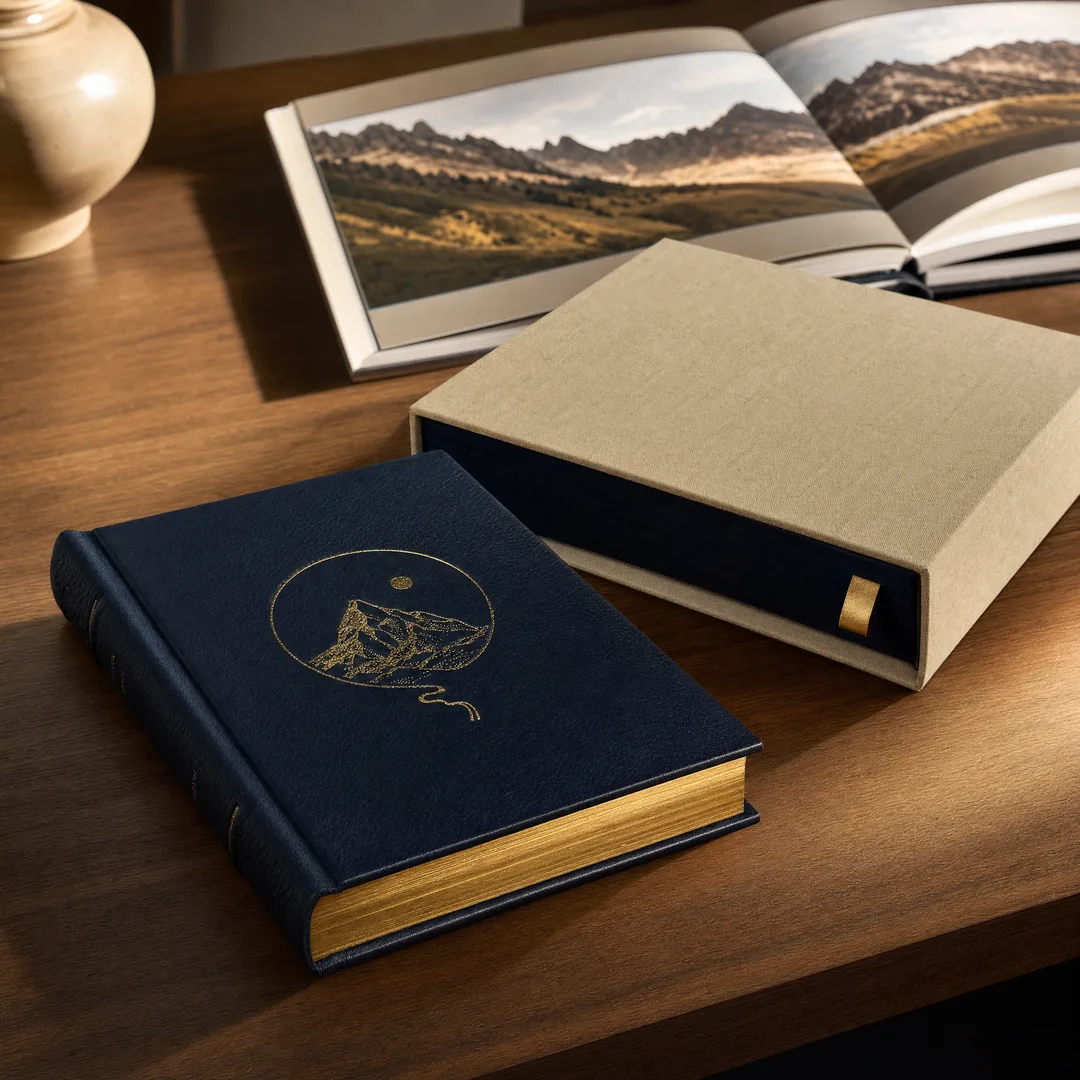
Hardcover, premium materials, and generous finishing. These are keepsakes, not consumables. Leather or linen covers, foil stamping, embossed titles, gilt edges, ribbon markers, and presentation slipcases all belong here. The per-unit cost will be higher, but these books are meant to last generations. Skimping on materials for a commemorative edition misses the entire point of the project.
Children’s Books
This one splits. Picture books for young children are almost always hardcover (or board books for toddlers) because they need to survive rough handling. For middle-grade and young adult fiction, softcover is standard and expected. If you are printing a children’s picture book, a hardcover with a printed paper case and a matte lamination is the safe, proven choice. For more on this specific category, visit our children’s book printing page.
Cost Considerations: Balancing Budget and Quality
Let me be direct: hardcover books cost more to produce than softcover books. Generally speaking, a hardcover will run two to four times the unit cost of an equivalent softcover, depending on materials, binding complexity, and print run size. The drivers are straightforward: rigid cover boards cost more than cardstock, case binding takes longer than perfect binding, and leather or linen materials add a premium over printed paper.
But unit cost is not the whole picture. Hardcover books command higher retail prices, typically 40 to 60 percent more than their paperback counterparts. That margin can more than offset the production premium, especially for niche titles with a dedicated audience willing to pay for quality. I have seen self-published photography books priced at USD 60 in hardcover sell better than the same book at USD 25 in softcover, simply because the format matched the content’s ambition.
Print run size also shapes the decision. At 500 copies, the setup costs for case binding are spread thinly, making the per-unit premium painful. At 5,000 copies, those fixed costs distribute across more units and the gap narrows. For short runs, softcover with premium finishing (heavy cardstock, matte lamination, spot UV) can deliver 80 percent of the hardcover feel at half the cost.
Shipping from China adds another layer. Hardcover books weigh more, which means higher freight costs. A container of hardcovers will ship fewer units than the same container filled with paperbacks. If your distribution is primarily direct-to-consumer, factor in the higher per-unit shipping weight as well. These logistics considerations are easy to overlook during the excitement of design but painful to discover after the fact.
One final note on cost: do not confuse the price of hardcover book printing in China with what you would pay domestically. The cost advantage of manufacturing in China is significant, especially for hardcover projects where labor-intensive processes like case-making and hand-assembly benefit from skilled, cost-effective craftsmanship. Many publishers find that a hardcover printed in China costs roughly the same as a softcover produced domestically, which fundamentally changes the format equation.
Making the Right Decision: A Practical Framework
After working on hundreds of book projects manufactured in China, I have distilled the decision into a few key questions. Answer these honestly and the right format will become obvious.
What is the book’s purpose? If it is meant to be read once and passed along, softcover makes sense. If it is meant to be kept, displayed, gifted, or referenced for years, invest in hardcover.
Who is your reader? A mass-market audience expects paperback pricing. A niche audience of collectors, professionals, or enthusiasts will pay for a premium format. Know your buyer.
What is the retail price you need to hit? Work backwards. If your market research says the book can sell for USD 40, a hardcover with a 4x markup on production cost is viable. If the ceiling is USD 15, softcover is probably your only path to a healthy margin.
How important is shelf presence? A hardcover with a linen cover or leather finish stands out on a shelf, in a photograph, and in a reader’s memory. If your book competes in a crowded category, the physical object itself can be a differentiator.
What is your timeline? Hardcover production takes longer. Case binding involves more steps: sewing, rounding, backing, case-making, casing-in. In China, expect an additional two to three weeks of production time for hardcover versus softcover. If you have a hard launch date, plan accordingly.
Are you printing notebooks or journals? If you are looking for custom hardcover notebook manufacturing in China, you are in one of the world’s most competitive markets for this product category. Specify your cover material, binding style, paper stock, and finishing details precisely. The difference between a mediocre notebook and a great one lives in those specifications, not in the printer’s default settings.
Final Thoughts
There is no universally correct answer to the hardcover versus softcover question. There is only the right answer for your specific book, your specific readers, and your specific business model. What I can tell you from experience is that the decision deserves more attention than most first-time publishers give it.
The advantage of printing in China is that you have access to a full spectrum of materials, binding techniques, and finishing options at costs that make premium formats commercially viable. Leather covers, linen wraps, sewn bindings, foil stamping, and embossing are not reserved for ultra-limited editions. They are accessible, scalable, and achievable for projects of all sizes.
Take the time to request material samples. Feel the difference between 250 GSM and 300 GSM cardstock. Compare PU leather swatches against linen textures. Hold a case-bound book next to a perfect-bound one and open both to the middle. Your hands will tell you what specifications on a screen cannot. Then, when you are ready to move forward, work with a printer who asks questions about your project rather than just quoting a price. The right partnership makes all the difference.
If you are exploring hardcover book printing in China or softcover book printing options and need guidance on materials, binding, or costs, get in touch with EcoPrinting for a project-specific quote. We will help you match the format to the vision, not the other way around.