Why Magnetic Box Packaging Wins Over Customers Before They Open It
There is a moment every premium brand chases. The customer lifts the lid, feels the gentle magnetic resistance, and hears the quiet, satisfying click as the box opens. That moment is not random. It is engineered. And for brands sourcing packaging from China, getting this right means understanding far more than just “add magnets to a box.”
Magnetic closure boxes have taken over the premium packaging space in cosmetics, jewellery, electronics, spirits, and corporate gifting. The reason is simple: they create a tactile, repeatable unboxing experience that folding cartons and plain rigid boxes cannot match. But the gap between a well-made magnetic box and a cheap imitation is wide — and it starts at the printing and manufacturing stage.
This guide walks through what you actually need to know before placing a custom magnetic box printing order in China. Materials, magnet specs, structure types, interior finishing, pricing, MOQ, quality control — we cover the ground that matters.
What Exactly Is a Magnetic Closure Box?
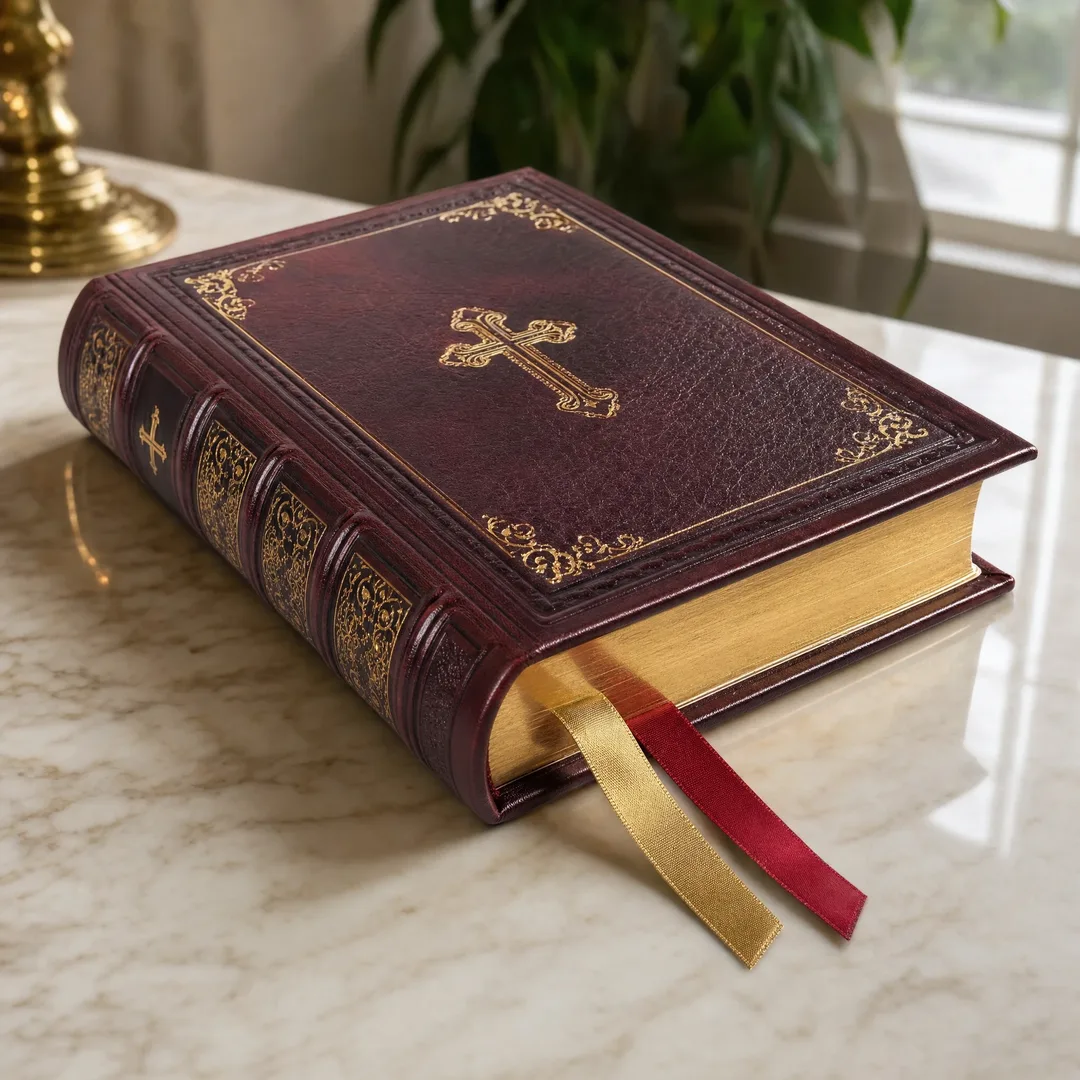
A magnetic closure box is a rigid paperboard box with embedded magnets that hold the lid securely shut. Unlike standard rigid boxes that rely on friction or lift-off lids, a magnetic box uses hidden neodymium or ferrite magnets — invisible from the outside — to create a controlled, premium-feeling close.
The core structure has four layers. First, a thick greyboard core (typically 1.5mm to 3.0mm) provides the structural skeleton. Second, an exterior wrap — art paper, leatherette, fabric, or specialty stock — covers the outside and carries the visual branding. Third, magnets are embedded inside the board panels at precise positions, aligned to sub-millimetre tolerances. Fourth, the interior is finished with flocking, foam, ribbon, or a custom tray to hold the product.
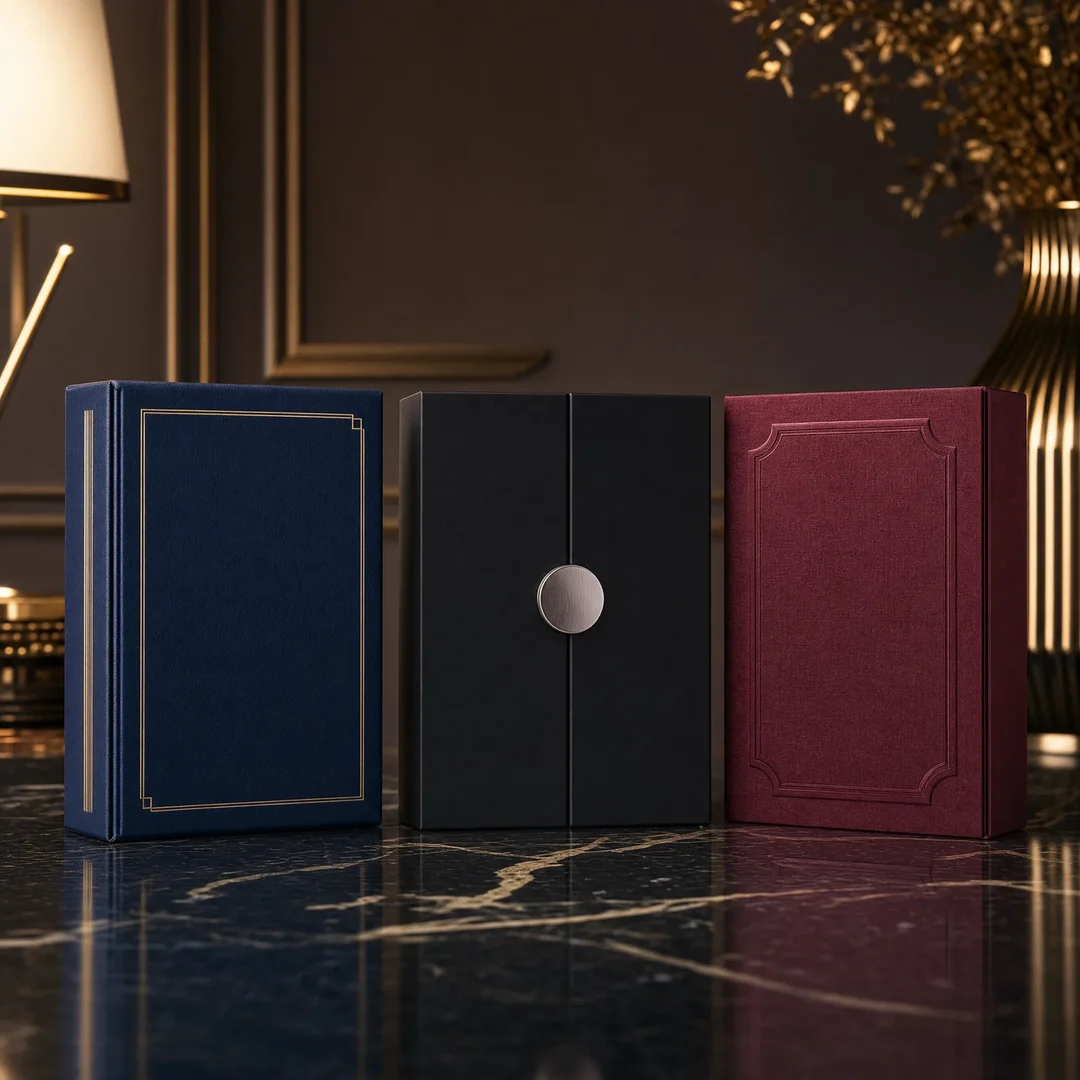
What makes these boxes different from a standard rigid box with a clasp or press-stud is that nothing breaks the visual surface. The magnets disappear into the board. The edges stay clean. The result is packaging that looks and feels like it belongs in a high-end retail display, not a shipping carton.
Box Types That Actually Suit Your Product
Not every magnetic closure box works for every product. The structure you pick shapes the entire unboxing sequence — how the customer sees the product, how they access it, and what they remember. Here are the main formats you will encounter when exploring custom magnetic box printing .
What Is a Book-Style Magnetic Box?
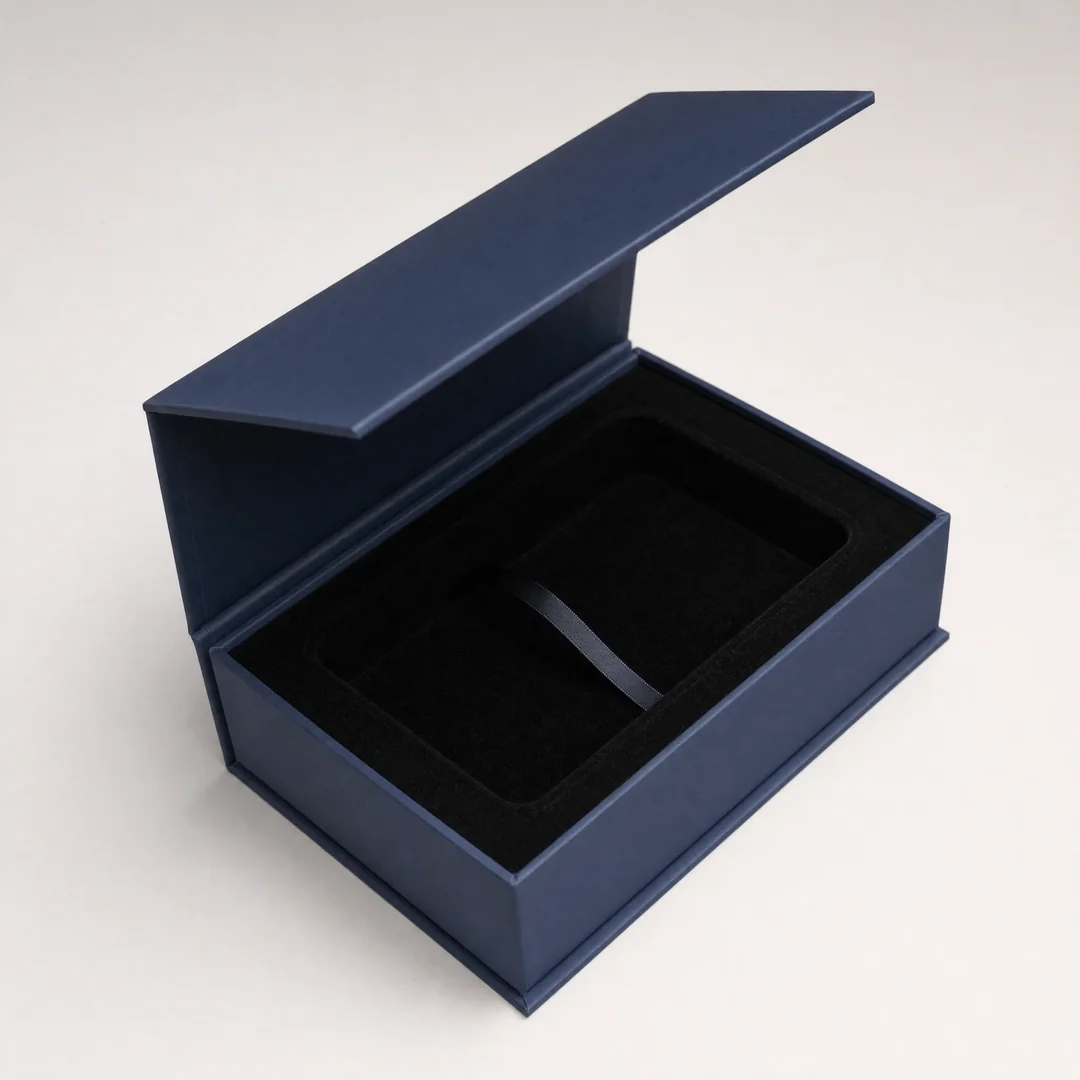
The book-style format opens like a hardcover, with the lid hinged along one side. It is the most common choice for flat or shallow products — jewellery sets, watches, folded textiles, and multi-piece gift collections. The horizontal reveal feels deliberate and premium. It also gives you a natural left-to-right layout for branded inserts, printed messages, or product storytelling on the inside cover.
When Should You Choose a Hinged-Lid Magnetic Box?
A hinged-lid box pivots from the rear, revealing the product from above. This works particularly well for candles, beauty jars, skincare sets, and premium food items. The vertical reveal creates a strong visual moment — the product sits upright as the lid tilts back, almost like a stage curtain lifting.
What Makes a Drawer-Style Magnetic Box Different?
Instead of a lid that lifts, a drawer-style box slides open horizontally. A magnetic catch holds the drawer closed when not in use. This format suits products people will access repeatedly — premium stationery, writing instruments, or multi-use accessory kits. The sliding motion feels mechanical and satisfying in a different way from the lift-open style.
Are Slipcase Magnetic Boxes Worth the Extra Cost?
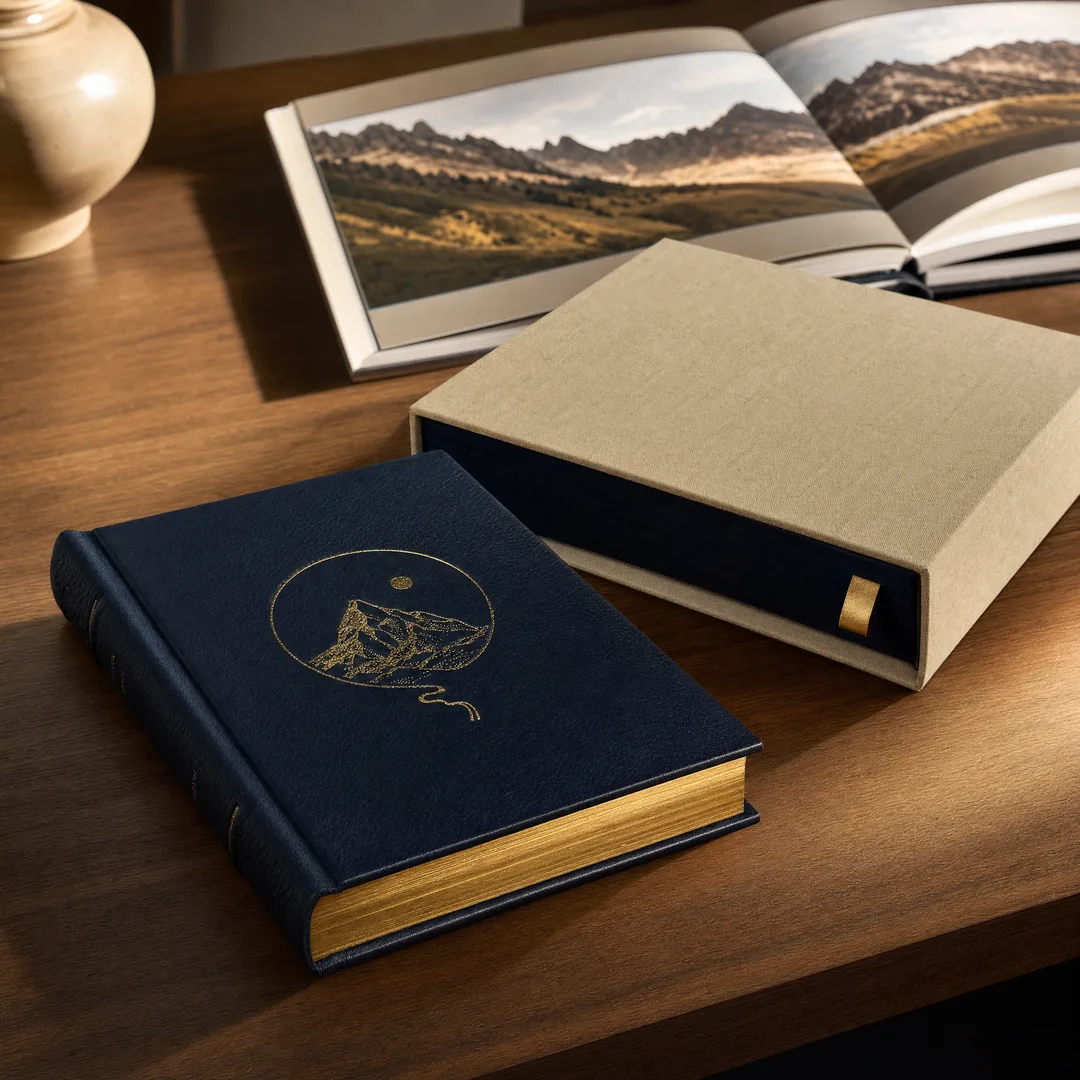
A slipcase design adds a second layer to the unboxing sequence. An outer sleeve slides off to reveal the inner box, which itself has a magnetic closure. Used heavily in spirits, fragrance, and limited-edition collections, this format builds anticipation. The trade-off is cost — you are paying for two structural components instead of one.
What About Collapsible Magnetic Boxes for E-commerce?
Collapsible or foldable magnetic boxes ship flat and assemble without glue. The magnets come pre-installed, and the panels fold into a rigid structure. Per-unit cost drops noticeably once you pass 1,000 to 2,000 units. For e-commerce brands shipping internationally, the freight savings from flat-packed boxes can be substantial. The assembled result still delivers the same magnetic closure experience as a fully pre-built rigid box.
Magnet Specifications That Determine Quality
The magnets inside your box define the entire closure experience. Get the specification wrong, and you end up with a lid that flaps open too easily — or one that fights the customer every time. Neither outcome says “premium.”
Neodymium vs Ferrite: Which Magnet Should You Use?
Neodymium (NdFeB) magnets are the industry standard for quality magnetic closure boxes. They deliver up to 20 times the magnetic field strength of ferrite magnets at the same size, which means you can embed a small, invisible magnet that still provides strong closure force. Ferrite magnets cost less — roughly one-third to one-half the price per unit — but you need a much larger magnet to achieve the same pull. More magnet means more board thickness, more weight, and more visible bulk.
For most premium packaging applications, neodymium is the clear choice. The cost difference per box is marginal at scale, and the closure feel is noticeably superior. Ferrite magnets make sense only when the box is large and heavy enough that a bigger magnet footprint does not compromise the design — or when the budget is extremely tight and a lower-grade closure feel is acceptable.
How Are Magnets Embedded in the Box?
Magnets sit inside cavities milled or die-cut into the greyboard panels. The standard approach places two magnets in the lid flap and two matching magnets in the base panel, aligned to within ±0.2mm tolerance. The magnets are then covered by the exterior wrap material, so the customer never sees them. Poor alignment causes the lid to sit crooked or the closure to feel mushy — both common problems with low-cost suppliers who rush this step.
What Magnet Size and Pull Force Do You Need?
Magnet size depends on box dimensions and lid weight. A small jewellery box (120×90×40mm) might use 8mm diameter × 2mm thick neodymium discs. A larger spirits box (280×200×80mm) with a heavier lid might need 12mm × 3mm discs or even rectangular bar magnets. The pull force — measured in kilograms or Newtons — should be 2 to 4 times the lid weight to create that satisfying resistance without being difficult to open.
A good manufacturer calculates this for you based on your box spec. If they cannot tell you what magnet grade and size they are using, walk away.
Paper, Board, and Wrapping Materials
The material choices for a magnetic box go well beyond “pick a paper colour.” Every layer affects cost, durability, and how the box feels in the hand.
Greyboard Thickness: The Structural Foundation
Greyboard (also called chipboard or grey chipboard) forms the rigid skeleton of the box. Common thicknesses for magnetic closure boxes range from 1.5mm to 3.0mm, measured in grams per square metre (GSM). A 1,500 GSM board is about 2.0mm thick and works well for smaller boxes under 200mm in any dimension. Larger boxes, or those holding heavier products, should use 2,000–2,500 GSM (2.5–3.0mm) for rigidity.
Thicker board means a heavier, more substantial-feeling box — but it also adds weight, which increases freight costs. The sweet spot for most applications is 2.0mm greyboard, which balances structural integrity with manageable shipping weight.
Exterior Wrap Materials and When to Use Each
The exterior wrap is what the customer sees and touches first. Art paper (coated paper, typically 128–157 GSM) is the most cost-effective option and supports full-colour offset or digital printing with crisp detail. It is the go-to choice for cosmetics, electronics, and general retail packaging where high-quality print reproduction matters.
Textured specialty papers — linen, laid, felt, or embossed stocks — add tactile depth without the cost of fabric wrapping. Leatherette (PU leather paper) delivers a rich, structured surface that signals luxury, used heavily in jewellery and accessories packaging. Fabric wraps like linen cloth or velvet sit at the premium end, reserved for high-value items where the tactile experience justifies the higher material and labour cost.
What About the Interior Lining?
The inside of the box matters as much as the outside. Standard options include paper lining (cost-effective, printed or solid colour), flocked lining (a soft, velvety surface created by electrostatic flocking), and fabric lining (satin, velvet, or suede). Flocked lining is the most popular mid-range option — it looks premium, costs less than fabric, and comes in a wide range of colours.
Interior Finishing: What Holds the Product
A magnetic box with a beautiful exterior but a sloppy interior betrays the brand. The interior insert is what cradles the product, keeps it in place during shipping, and frames it for the reveal moment.
Flocked Plastic Trays vs EVA Foam Inserts
Vacuum-formed plastic trays with flocked coating are the workhorse of cosmetics and jewellery packaging. They hold the product snugly, look clean, and cost relatively little at volume. EVA foam inserts offer a different value proposition: they can be CNC-cut to exact product contours, creating bespoke cavities that fit like a glove. EVA is more expensive per unit but communicates a higher level of customisation.
Ribbon Pulls and Satin Ties
A ribbon pull — a short satin or grosgrain ribbon loop tucked under the product tray — lets the customer lift the product out without digging their fingers into the cavity. It is a small detail that costs pennies but dramatically improves the user experience. Satin ribbons can also be used as closure ties on book-style boxes for an extra decorative layer.
Custom-Cut Card Inserts
For brands on a tighter budget, a custom die-cut card insert made from the same greyboard as the box structure can do the job. The card is wrapped in paper or left as raw greyboard and fits into the box base. Die-cut windows hold individual items. It is the most economical interior option and works well for multi-piece sets where precise cavity fitting is less critical.
Where Magnetic Boxes Show Up in the Real World
The versatility of magnetic closure boxes means they span more industries than most packaging buyers realise. Here are the sectors where they dominate.
Cosmetics and Skincare Packaging
Magnetic boxes are the default premium packaging format for serums, creams, gift sets, and limited-edition beauty launches. Brands use them because the unboxing experience directly influences perceived product quality — and in beauty, perception is everything. The typical cosmetics magnetic box uses a book-style or hinged-lid format with flocked or foam interior trays.
Jewellery and Accessories
Jewellery brands have used magnetic boxes for decades, and for good reason. The box becomes a keepsake — customers repurpose it as a storage box, keeping the brand visible in their home for years. Velvet or leatherette exteriors with satin-lined interiors are the standard combination here.
Electronics and Tech Accessories
Premium earphones, smartwatches, and accessory kits increasingly use magnetic rigid boxes. The format signals quality in a category where unboxing videos drive purchasing decisions. The structure also provides genuine protection — the rigid board prevents crushing during shipping, and the magnetic closure keeps everything contained.
Spirits, Wine, and Premium Food Gifting
Magnetic slipcase boxes are popular for premium spirits and wine presentation sets. Mooncake boxes — a massive seasonal category in Asia — almost universally use magnetic closure formats. The box communicates the gift value before the recipient even sees the contents.
How Sizing and Dimensions Affect Your Costs
Standard Sizes vs Full Custom Dimensions
Some Chinese manufacturers offer a range of pre-tooled standard sizes for magnetic boxes. Using a standard size eliminates tooling costs and speeds up sampling — sometimes to as little as three to five days. The trade-off is that your product must fit within an existing dimension set, which rarely works for brands with specific presentation requirements.
Full custom dimensions give you complete control but add tooling fees — typically USD 50–150 per size for die-cutting moulds. For orders above 1,000 units, the per-unit impact of tooling becomes negligible. Most brands sourcing from China go fully custom.
How Size Drives Pricing
Box size affects cost in three ways. First, larger boxes consume more material — more greyboard, more wrapping paper, more magnet. Second, larger boxes take up more space in shipping containers, increasing per-unit freight cost. Third, oversized boxes may require thicker greyboard (2.5mm+ instead of 2.0mm) to maintain rigidity, adding another cost layer. A box that is 20% larger in all dimensions can cost 30–40% more to manufacture and ship.
MOQ, Pricing Tiers, and What Drives Cost in China
What Is the Typical MOQ for Magnetic Box Printing in China?
MOQ varies by factory size and specialisation. Large manufacturers with automated lines often set MOQs at 1,000 to 3,000 units. Mid-sized factories commonly accept 500 units, and some smaller, more flexible workshops will take orders as low as 200 pieces — though at a higher per-unit price. For magnetic box printing China projects, the sweet spot is usually 500 to 2,000 units, where you get competitive pricing without committing to massive volume.
Price Ranges by Order Volume
As a rough guide, per-unit pricing for a standard book-style magnetic box (200×150×50mm, art paper wrap, flocked interior, two neodymium magnets) falls into these brackets:
At 200–500 units, expect USD 2.50–4.50 per box. At 1,000–3,000 units, the range drops to USD 1.80–3.20. At 5,000+ units, prices can reach USD 1.20–2.50. These numbers shift based on material choices, finishing techniques, and interior complexity — but the pattern is consistent: volume is the single biggest price lever.
What Else Affects Pricing Besides Volume?
Foiling, embossing, spot UV, and other specialty finishes each add USD 0.10–0.40 per unit. Switching from art paper to leatherette can add USD 0.50–1.00. EVA foam inserts cost significantly more than card inserts. Shipping method — air freight vs sea freight — can swing the total landed cost by 30–50%. The lesson: spec the box to match the brand position, but understand that every upgrade has a cost attached.
Why Source Magnetic Boxes from China?
This is not about chasing the lowest price. The case for custom magnetic box printing in China is about capability and supply chain maturity.
Manufacturing Know-How at Scale
Southern China — especially the Pearl River Delta region around Shenzhen, Dongguan, and Guangzhou — has been producing rigid packaging for global brands for over three decades. The workforce understands greyboard lamination, magnet embedding, precision die-cutting, and complex finishing in a way that smaller print markets simply do not have the volume to develop.
Supply Chain Density
Everything needed to make a magnetic closure box — greyboard mills, paper merchants, magnet suppliers, adhesive manufacturers, finishing specialists — exists within a 100-kilometre radius in Guangdong. This density means shorter lead times, lower material costs, and fewer supply disruptions compared to fragmented supply chains elsewhere.
Customisation Flexibility
Chinese manufacturers routinely handle complex multi-process jobs that would require multiple vendors in other markets. A single factory can manage printing, lamination, magnet embedding, foil stamping, embossing, die-cutting, and assembly under one roof. For brands, this means one point of contact, one quality standard, and no finger-pointing between subcontractors when something goes wrong.
Cost Competitiveness
Yes, cost matters. Even accounting for international freight, customs duties, and longer lead times, magnetic box printing China projects typically land at 30–50% below equivalent Western manufacturing costs. The gap is largest for labour-intensive processes like hand-wrapping, ribbon insertion, and complex interior assembly — precisely the steps that define premium packaging.
Quality Control and Shipping: The Practical Stuff
What to Check Before Shipment
A pre-shipment inspection should cover at least these points: magnet alignment and closure force (test a sample batch — the lid should stay closed when held upside down, but open with moderate finger pressure), wrap adhesion (no lifting edges or bubbles), colour consistency across the production run, interior insert fit, and structural integrity under compression. AQL 2.5 (Major) and AQL 4.0 (Minor) are standard acceptance levels for rigid packaging.
How Magnetic Boxes Are Packed for Export
Rigid magnetic boxes ship fully assembled, which makes them bulky. Each box should be individually poly-bagged to prevent surface scuffing, then packed into a corrugated master carton with foam or corrugated dividers between units. The master carton itself needs sufficient burst strength — at minimum, a double-wall corrugated carton rated for the weight inside. For collapsible boxes that ship flat, the packing density is far higher, and freight cost per unit drops accordingly.
Common Problems and How to Avoid Them
Misaligned magnets that cause the lid to sit crooked are the most frequent complaint. The fix is specifying alignment tolerances in the purchase order and checking samples against those tolerances. Surface scuffs from boxes rubbing against each other in transit come second — solved by individual poly-bagging. Colour variation between the sample and the production run is third — solved by approving a colour proof (a “drawdown” or press sheet) before the full run begins.
Getting Your Magnetic Box Project Right from the Start
A well-made magnetic closure box does more than hold a product. It defines how a customer feels about the brand before they touch what is inside. The engineering behind it — border thickness, magnet grade, wrap tension, insert fit — is invisible when done right and impossible to ignore when done wrong.
The key to a successful custom magnetic box printing project in China is not finding the cheapest quote. It is finding a manufacturer who can explain their magnet specification, show you material samples by grade, and walk you through how they control alignment and finishing quality. Ask for references. Request a pre-production sample — not just a digital mockup. Test the closure on the sample until you are confident it feels right. That extra diligence upfront saves weeks of headache later.