Why China Dominates Board Game Manufacturing
China produces an estimated 70% of the world’s board games. That number did not happen by accident. Over the past two decades, Chinese factories built a manufacturing ecosystem that handles every step of production—from raw material sourcing to shrink-wrapped finished products—under one roof. For independent designers and established publishers alike, this means faster turnaround, lower per-unit costs, and access to production techniques that smaller regional factories cannot match.
When you search for custom board game printing , Chinese manufacturers dominate the results for good reason. Factories in Guangdong, Zhejiang, and Fujian provinces specialize in board game production. They run offset printing presses calibrated for thick cardstock, maintain die-cutting machines for punch-out tokens, and staff assembly lines trained to collate multi-component games. A typical mid-sized factory handles 20 to 50 game titles simultaneously across different production stages.
The real advantage sits in the supply chain. Chinese board game manufacturers source paper, chipboard, plastics, and wooden components from nearby suppliers. They do not need to import basic materials or wait on overseas shipments for anything except specialty items. This vertical integration cuts lead times and keeps costs predictable. For a standard mid-weight game with a board, cards, tokens, and a rigid box, unit costs in China run 30% to 50% lower than equivalent production in North America or Europe.
Types of Board Games Manufactured in China
Chinese factories produce every category of tabletop game. Understanding where your project fits helps you pick the right manufacturer and avoid quoting mistakes.
Card-based games form the largest segment by volume. These range from simple party decks to complex trading card games. Card game printing in China typically uses 310gsm to 400gsm cardstock with options for linen finish, black core paper (which prevents see-through), and UV coating. Custom playing cards represent a significant share of this category—poker decks, educational card sets, and promotional card games all fall here.
Board-centric games involve a large printed playing surface, often folding. Game board printing uses chipboard wrapped with litho-printed art paper. Standard thicknesses range from 1.5mm to 3.0mm. Folding boards typically use a two-panel or four-panel design with bookbinding tape at the hinge points.
Token-heavy games lean on punch-out cardboard sheets, wooden pieces, or plastic miniatures. Game pieces printing and game tokens printing cover the full range: cardboard punchboards, screen-printed wooden cubes and meeples, injection-molded plastic figures, and engraved acrylic markers. Many Chinese manufacturers maintain separate production lines for each component type.
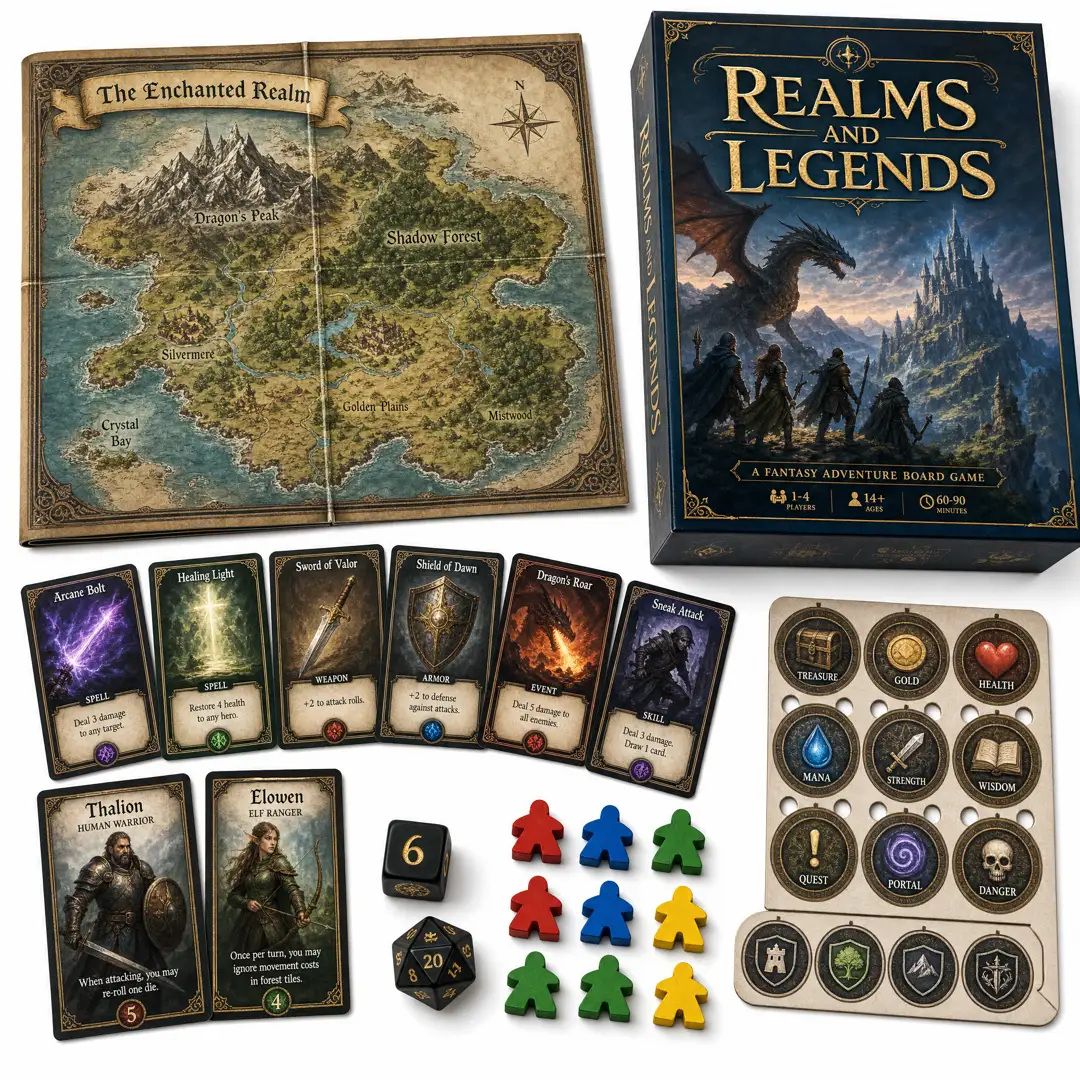
Hybrid games combine multiple component categories—think a board game that includes cards, custom dice, wooden tokens, and plastic miniatures in one box. These require a manufacturer that can coordinate production across departments. The best Chinese factories for hybrid games operate as one-stop shops, managing all components internally rather than subcontracting.
Core Components: What Goes Inside the Box
A typical board game contains five to eight distinct component types. Each requires different materials, printing methods, and quality checks. Breaking your game down by component before requesting quotes will save you weeks of back-and-forth.
Game boards are the centerpiece. Chinese manufacturers print onto 128gsm to 157gsm coated art paper, then mount it onto grey chipboard using a lamination press. The most common board thickness options are 1.5mm, 2.0mm, 2.5mm, and 3.0mm. For folding boards, the wrap includes a slight gap at the fold line to prevent cracking. Surface finishing options include matte or gloss lamination, varnish, and spot UV.
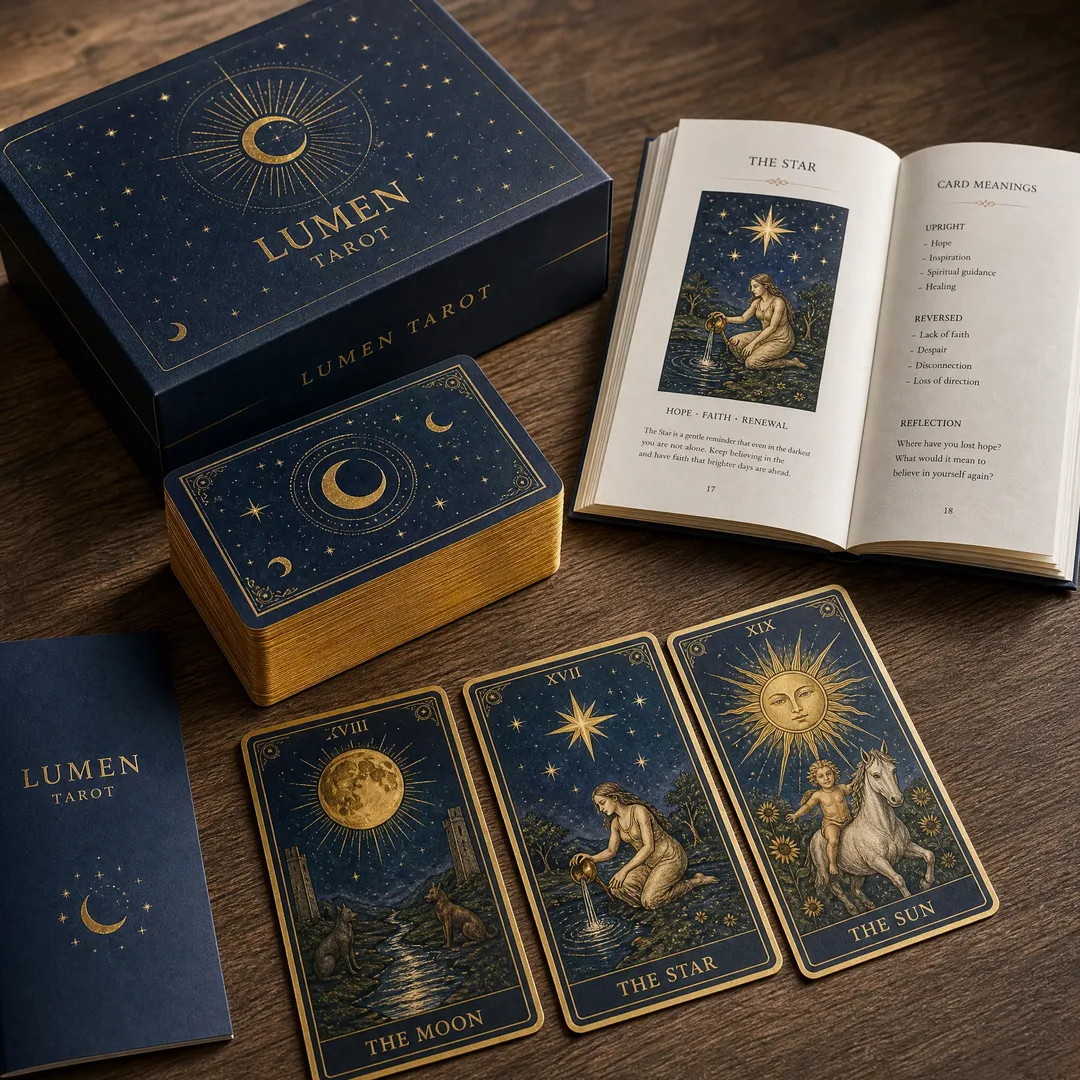
Cards demand precision. Custom playing cards produced in China typically use 310gsm black-core cardstock with a linen finish—identical to casino-grade stock. Blue-core paper (330gsm) provides a slightly stiffer feel. For games with many cards, 300gsm art paper coated both sides offers a cost-effective alternative. Round-corner die-cutting completes the card production, with Chinese factories offering radii from 3mm to 6mm.
Dice come in far more varieties than the standard six-sided cube. Chinese custom dice printing covers D4 through D20 polyhedral sets, oversized D6s, custom symbol dice, and engraved acrylic dice with full-color fill. Materials range from basic acrylic (most common) to resin, metal, and wood. UV printing allows full-color graphics on each face, while laser engraving produces crisp, permanent markings. Expect to pay $0.04 to $0.50 per die depending on size, material, and complexity.
Tokens and pieces cover everything players move on the board. Game tokens printing in China offers three main formats: die-cut cardboard punchboards (1.5mm to 2.5mm thick), screen-printed or engraved wooden tokens (standard shapes or custom laser-cut profiles), and injection-molded plastic pieces (unlimited shapes with optional painting). For premium games, resin-cast pieces capture fine sculptural detail at a higher per-unit cost.
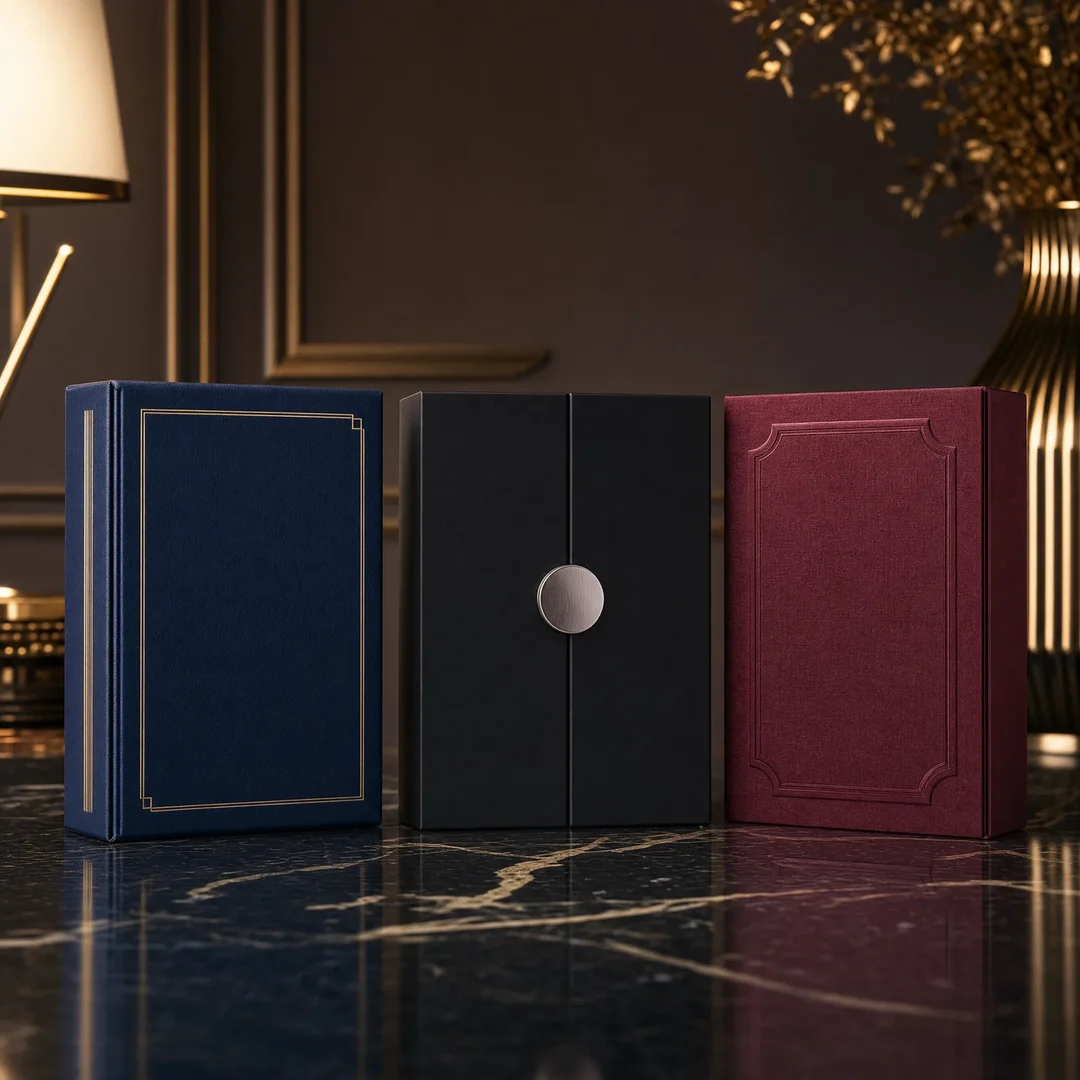
Boxes protect the game and sell it on retail shelves. Board game box printing uses rigid chipboard wrapped with full-color printed art paper. Standard Chinese box constructions include the two-piece telescoping box (lid + base), the magnetic flip-box, and the book-style box with a hinged spine. Insert trays—vacuum-formed plastic or folded cardboard—keep components organized and prevent damage during shipping.
Materials and Printing Processes
Material selection drives both manufacturing cost and player experience. Chinese factories stock a wide range of substrates and can advise on what works for your budget and game type.
Chipboard (grey board) forms the structural backbone of most games. Made from recycled paper pulp compressed into rigid sheets, chipboard comes in thicknesses from 0.8mm to 3.0mm. Density matters: a 2.0mm board at higher density feels noticeably heavier and more premium than the same thickness at standard density. Most Chinese manufacturers default to a density around 800-900 gsm/mm.
Art paper (C1S/C2S) provides the printed surface. C1S (coated one side) works for game boards where only the face needs printing. C2S (coated two sides) is standard for cards and tokens. Weights range from 128gsm for internal rulebooks to 157gsm for board wraps and 200gsm for small-format cards.
Plastic materials include ABS (durable, impact-resistant, used for miniatures and trays), PVC (flexible, lower cost, used for cards and token holders), and acrylic (transparent, used for dice and premium tokens). Injection molding requires steel tooling with a typical cost of $500 to $3,000 per mold depending on complexity and cavity count.
Wood components—cubes, discs, meeples, and custom shapes—are produced through CNC routing or die-cutting followed by screen printing or laser engraving for markings. Chinese wooden component suppliers typically work with beech, birch, or rubberwood, with beech offering the best balance of cost and surface quality.
Printing is predominantly CMYK offset lithography on Heidelberg or Komori presses. These machines deliver consistent color across runs of 1,000 to 100,000+ units. For small prototype runs (1-10 copies), digital printing offers a lower-cost entry point with nearly identical color accuracy. Finishing techniques—matte lamination, gloss lamination, spot UV, foil stamping, and embossing—are all standard offerings at Chinese board game factories.
Custom Dice and Game Pieces: Options That Define Your Game
Dice and game pieces do more than function—they communicate quality the moment a player opens the box. Chinese custom dice printing manufacturers offer a broader range of customization options than most designers realize.
Acrylic dice are the industry standard. They come in 12mm, 14mm, 16mm, and 19mm sizes for standard D6 cubes. Engraved faces with paint fill produce the classic pip or numeral look. UV-printed dice allow full-color graphics, gradient patterns, and custom symbols on each face—popular for games that replace numbers with icons. For polyhedral sets (D4, D6, D8, D10, D12, D20), resin casting produces sharper edges and clearer numbering.
Wooden pieces follow standardized shape catalogs. Most Chinese manufacturers stock molds for cubes (8mm, 10mm, 12mm), discs (12mm to 20mm diameter), cylinders, and the classic meeple silhouette. Custom shapes require a die-cutting mold ($100 to $500 setup) but unlock distinctive visual identity. Screen printing applies player colors and symbols; laser engraving achieves finer detail for icons and text.
Plastic miniatures represent the high end of game pieces printing . PVC injection molding produces detailed figures at scale. Tooling costs start around $800 for a simple single-cavity mold and can exceed $5,000 for multi-part miniatures with undercuts. Per-unit costs drop sharply with volume: a miniature costing $0.80 at 1,000 units may fall to $0.25 at 10,000 units. Many publishers run initial Kickstarter campaigns at 1,000-2,000 units to fund tooling, then reorder at lower per-unit rates for retail distribution.
Tokens and chips bridge the gap between pieces and cards. For game tokens printing , cardboard punchboards remain the most popular format due to their low cost and full-color customization. A standard 300mm × 300mm punchboard sheet holds anywhere from 20 to 80 tokens depending on size. Die-cutting tooling costs $50 to $150 per sheet layout.
Jigsaw Puzzle Printing: Piece Counts and Materials
Jigsaw puzzles represent a distinct manufacturing category with their own material and production requirements. Chinese factories produce puzzles for major brands worldwide, and their capabilities stretch far beyond simple cardboard puzzles.
When you order custom jigsaw puzzle production from China, the first decision is piece count. Standard options include 100, 200, 300, 500, 1,000, and 2,000 pieces. Larger puzzles (3,000 to 5,000+ pieces) are available but require specialized die-cutting plates. The industry standard for jigsaw puzzle printing uses 1.5mm to 2.5mm grey chipboard mounted with printed art paper and finished with a matte or gloss lamination. Higher-end puzzles use blue-core or white-core board that prevents the grey chipboard color from showing at cut edges.
Puzzle cutting uses steel-rule die plates—flat steel blades bent into the interlocking pattern and set into a plywood base. A single die plate for a 1,000-piece puzzle costs approximately $300 to $800 to manufacture. The die creates the classic jigsaw interlock shape; higher-quality dies produce cleaner cuts with less cardboard “fuzz” at the edges.
Piece shapes vary by manufacturer. Some use a grid-based cut where all pieces share a similar silhouette. Others employ a “ribbon cut” with varied piece shapes that create a more challenging assembly experience. Specialty cuts—custom-shaped pieces within the puzzle (sometimes called “whimsy pieces”)—add manufacturing complexity and cost but create memorable unboxing moments.
Custom-shaped puzzles go beyond the standard rectangle. Chinese manufacturers now produce puzzles cut to custom outlines—a map-shaped puzzle, an animal silhouette, or a logo-shaped puzzle. These require a custom die plate mapped to the outline shape.
For jigsaw puzzle printing MOQ, expect 500 sets for puzzles under 100 pieces, dropping to 200-300 sets for 500+ piece puzzles. Unit prices for a standard 500-piece puzzle in a printed box start around $2.00 to $3.50 at 1,000 units.
Packaging: Boxes, Inserts, and the Unboxing Experience
Packaging is your game’s first physical impression. Chinese manufacturers recognize this and invest heavily in packaging capabilities. Board game box printing has become a specialized discipline within the broader printing industry.
Rigid boxes (also called set-up boxes) dominate mid-weight and heavy board games. Construction uses 2.0mm to 3.0mm grey chipboard wrapped with printed art paper. The standard format is a two-piece box with a separate lid and base. Magnetic closure flaps on the lid add a premium feel at roughly $0.30 to $0.80 extra per unit depending on box size.
Custom inserts organize components inside the box. Vacuum-formed plastic trays (PVC or PET) cradle each component in a molded recess. Tooling costs $300 to $800 per tray mold. Cardboard inserts—folded and glued from printed or unprinted chipboard—offer a more eco-friendly alternative at lower tooling costs ($50 to $150 per design). For luxury editions, foam inserts with fabric lining accommodate heavy miniatures and delicate pieces.
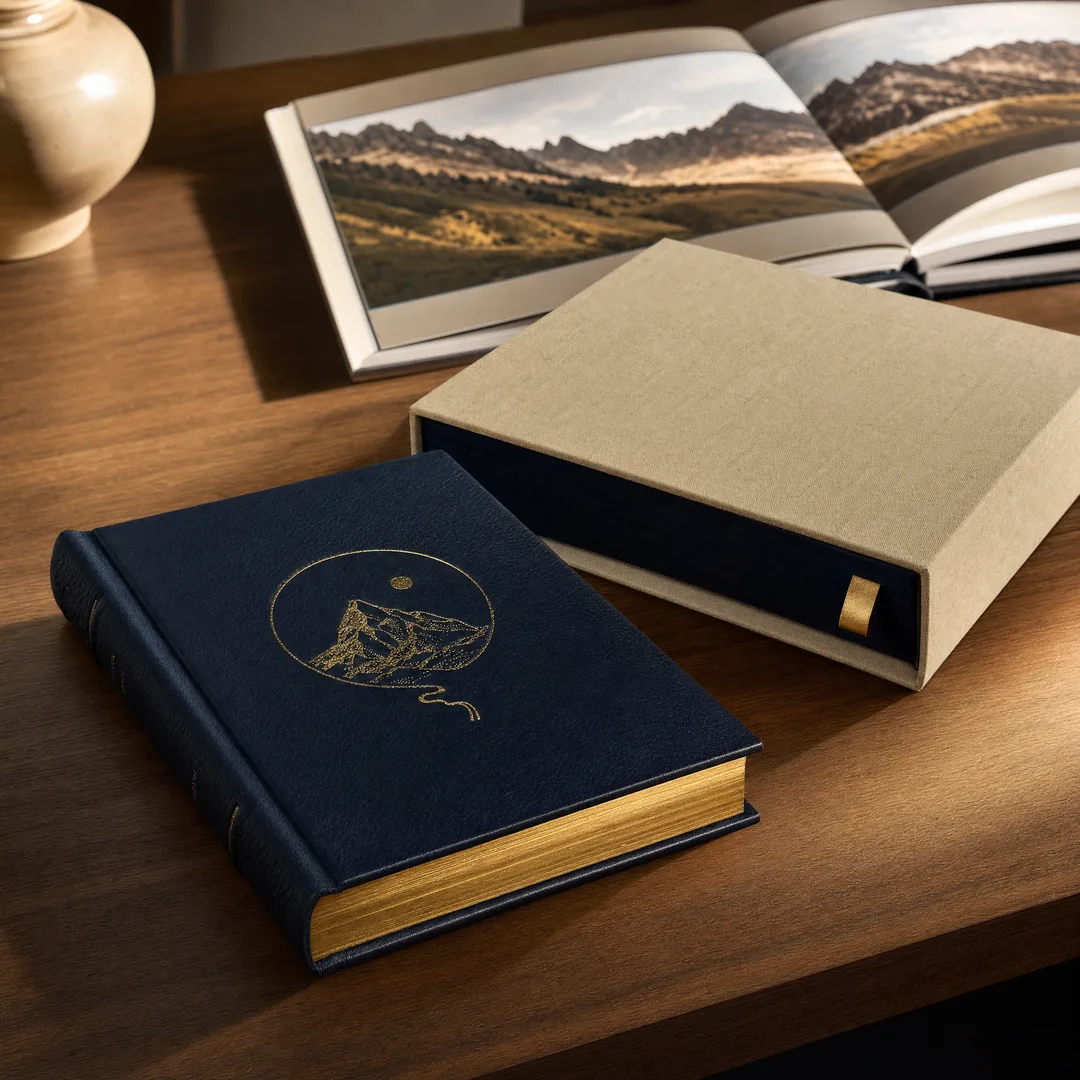
Box finishes signal quality before the lid even opens. Matte lamination with spot UV creates a tactile contrast between glossy art elements and the soft-touch background. Foil stamping—gold, silver, copper, or holographic—draws the eye on retail shelves. Embossing raises select design elements for a three-dimensional effect. Soft-touch lamination gives the entire box a velvety feel that communicates premium quality.
Sustainability matters increasingly to tabletop consumers. Many Chinese manufacturers now offer FSC-certified paper, soy-based inks, water-based coatings, and plastic-free packaging options. Expect a 5% to 15% premium for certified sustainable materials, with the gap narrowing as demand grows.
MOQ and Pricing: What Game Publishers Should Expect
Minimum order quantities in Chinese board game manufacturing cluster around specific thresholds, each with distinct economics.
500 units is the entry-level MOQ for most full-service manufacturers. At this volume, you pay premium unit pricing—typically 30% to 50% higher than 1,000-unit pricing—because setup costs (die-cutting plates, printing plate preparation, machine calibration) spread across fewer units. For a standard mid-weight game with a board, 100 cards, tokens, and a rigid box, expect $8 to $15 per unit at 500 pieces.
1,000 units represents the industry sweet spot. Unit costs drop substantially from the 500-unit level. The same mid-weight game might run $5 to $9 per unit. Most Kickstarter campaigns target this volume because it balances manageable upfront investment with reasonable per-unit economics.
2,000 to 5,000 units unlocks volume pricing. Setup costs become negligible per unit. Printing plates and die-cutting tools amortize effectively. Unit prices for the standard mid-weight game range from $3.50 to $6.50. At this volume, many manufacturers waive tooling fees for standard dies and plates.
10,000+ units enters mass-market territory. Prices fall to $2 to $4 per unit for standard configurations. Production moves to dedicated lines. Lead times may actually increase slightly due to production scheduling complexity, but per-unit costs reach their floor.
What drives cost? Component count matters more than box size. A simple card game with one deck and a tuck box might cost $1.50 to $3.00 per unit at 1,000 pieces. A complex game with a folding board, 200+ cards, custom dice, wooden tokens, plastic miniatures, and a rigid box with insert can hit $12 to $25 per unit at the same volume. Each additional component type adds a production step, a quality check, and an assembly cost.
Shipping adds 15% to 40% to your landed cost depending on destination, volume, and shipping method. Sea freight for a pallet of 1,000 games to a US West Coast port runs roughly $400 to $800. Air freight cuts transit from 30-40 days to 5-7 days but costs 3x to 5x more.
How to Get a Quote for Custom Board Game Manufacturing
A precise quote requires precise information. Manufacturers cannot estimate costs from vague descriptions. Before contacting a Chinese board game factory, prepare a specification document covering these items:
Component list with dimensions. List every piece: board size (open and folded), card count and size (standard poker 63×88mm or custom), token count and dimensions, dice quantity and type, rulebook page count and format. For custom board game printing quotes, manufacturers need to calculate material usage, printing plate requirements, and assembly time—all of which depend on exact specifications.
Material preferences. Specify board thickness, cardstock weight and finish, token material (cardboard punchboard, wood, or plastic), and box construction type. If you are unsure about materials, ask the manufacturer for recommendations at your target price point. Most will suggest two to three material configurations at different budget levels.
Artwork status. Tell the manufacturer whether you have print-ready files (CMYK, 300 DPI, with bleed and crop marks), files that need pre-press adjustment, or only rough design direction. Full pre-press and design services add $200 to $1,000+ to the project cost depending on complexity.
Target quantity and timeline. Request pricing at two quantity levels—your planned order and the next volume tier—so you can evaluate the trade-off. Typical production lead times run 15 to 30 days from artwork approval for standard games, plus shipping time.
Ask about samples. Most manufacturers provide a pre-production sample (one complete game) for $100 to $300, which gets credited against your production order. This sample is your opportunity to check color accuracy, material quality, component fit, and overall assembly before committing to a full production run. Never skip this step. A pre-production sample catches problems that are invisible on screen.
Get quotes from three to five manufacturers. Prices for the same specification can vary by 20% to 40% between factories. Look beyond the price: evaluate response speed, English communication quality, willingness to explain trade-offs, and references from other game publishers in your category. A $1.00 per-unit difference on a 1,000-unit order is $1,000. A quality issue discovered after production costs far more.
China’s board game manufacturing industry continues to mature. Factories that once produced generic toys now run dedicated game production lines staffed by engineers who understand tabletop mechanics. For designers and publishers ready to bring a game to market, the combination of expertise, capacity, and cost advantage makes Chinese manufacturing the default choice for a reason.
Explore custom board game printing services to see how your game can move from prototype to production. For more information on specific components, read our guide to game component manufacturing options or learn about jigsaw puzzle printing services for puzzles of any piece count.