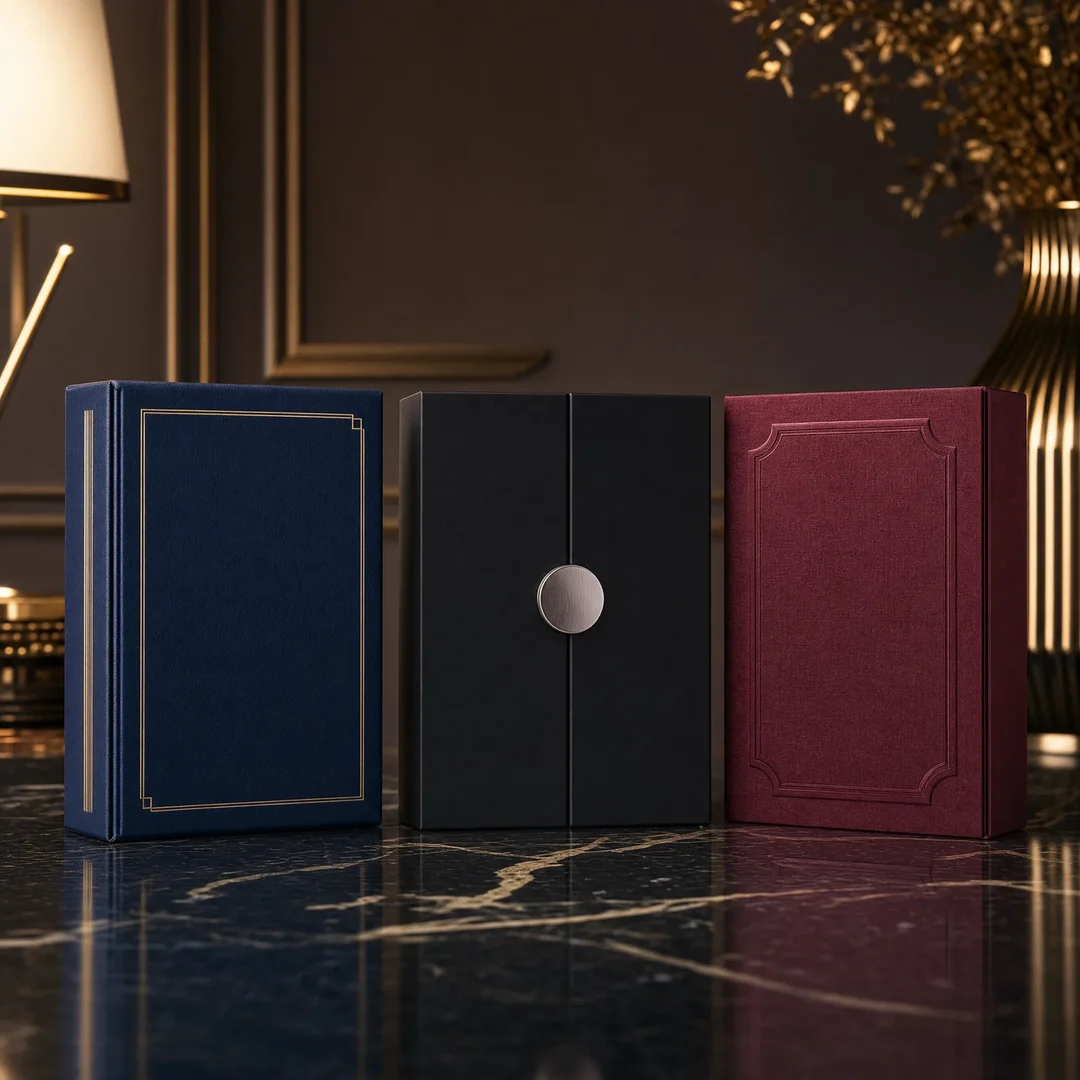
Why Notebook Brands Are Looking to China for Custom Production
Walk through any stationery trade show — Ambiente in Frankfurt, the Hong Kong Gifts & Premium Fair, or NY Now — and you will spot the same pattern. Boutique notebook brands from Berlin, Melbourne-based planner startups, promotional goods distributors from Texas: a huge share of their inventory traces back to factories in Guangdong, Zhejiang, and Fujian.
This is not an accident. China has spent three decades building the densest stationery supply chain on the planet. What used to be simple exercise-book factories now runs Heidelberg offset presses, automatic smyth sewing lines, multi-station foil stamping machines, and in-house die-making for custom brass embossing molds. The infrastructure exists because the domestic demand alone — the largest student and office-supply market in the world — fuels constant capacity upgrades.
For someone sourcing journal printing China services for the first time, the landscape can feel disorienting. You are not just choosing a factory. You are navigating material grades, binding methods, finishing techniques, minimum order thresholds, and a sampling process that can take three weeks or three months depending on how you approach it. This guide walks through each decision point so you can spec a product that matches what you actually want, not just what a factory salesperson defaults to.
Cover Materials: What Separates a $2 Notebook From a $25 One
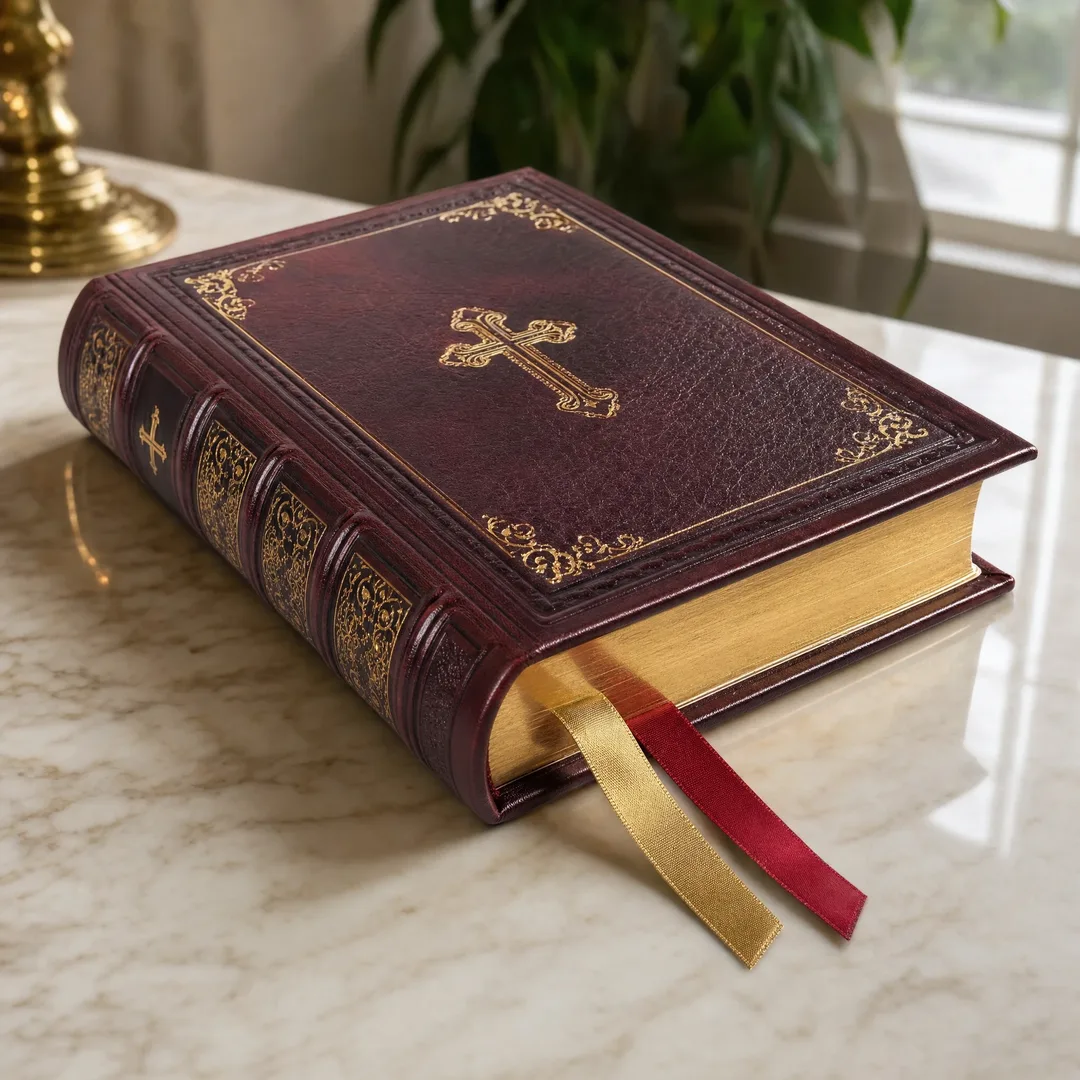
The cover is the first thing anyone touches. A lot of first-time buyers zero in on page count and binding, then treat the cover material as an afterthought. That is backwards. The cover determines the entire hand feel, the perceived value, and which finishing techniques will actually work.
PU Leather: The Workhorse of Custom Notebooks
Polyurethane leather — PU for short — accounts for probably 70% of all custom notebook covers coming out of China right now. It is synthetic, consistent from roll to roll, and comes in a staggering range of colors and textures. You can get smooth matte black that mimics Moleskine’s classic look, pebbled grain that reads as premium, or bright neon shades for promotional giveaways.
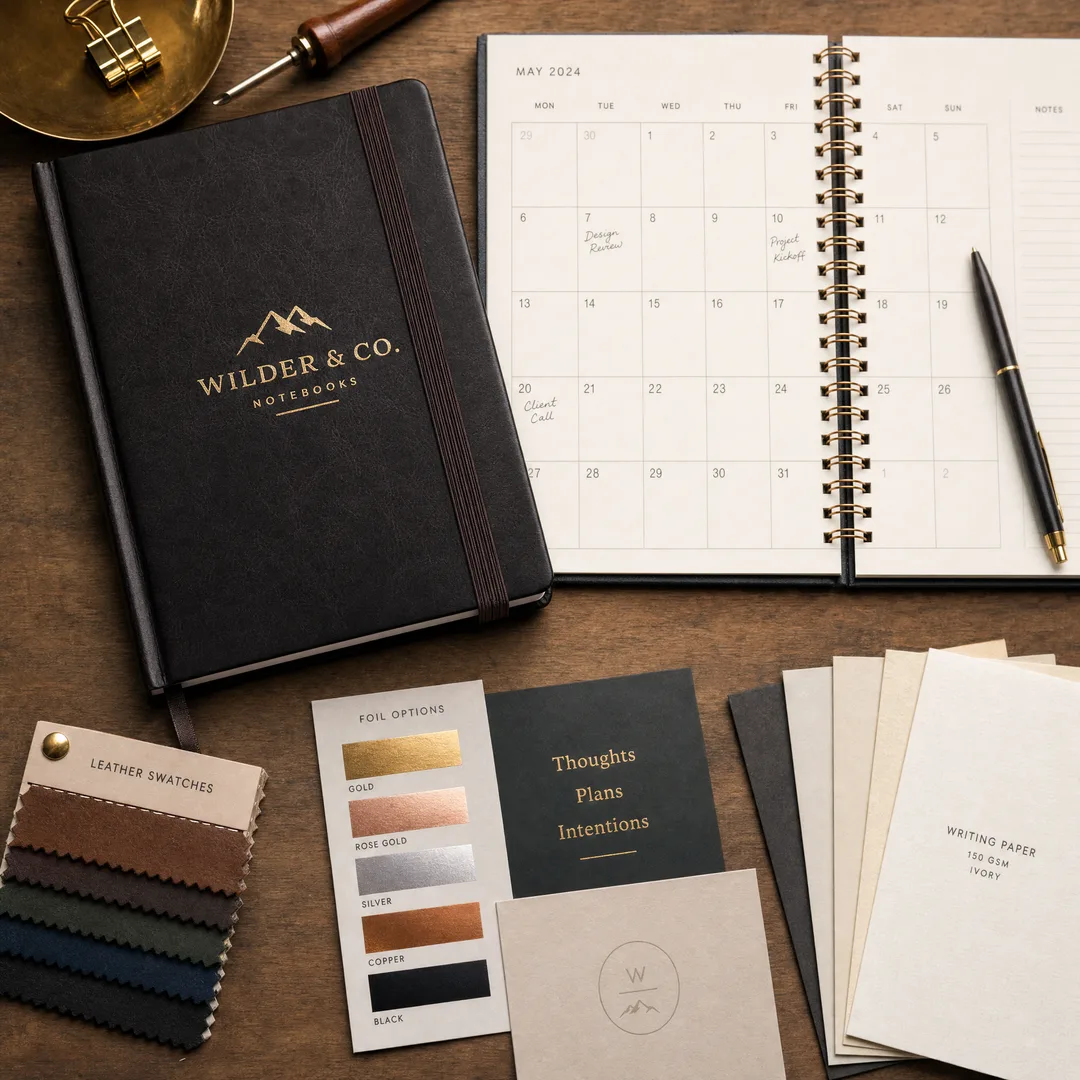
The real advantage of PU is how well it takes foil stamping and debossing. Heat transfers cleanly onto PU without the burn-through risk you get with thinner cloth covers. A gold-foil logo stamped onto matte black PU leather reads as luxury even if the cost per unit is under $2 at volume.
PU covers typically wrap around 2-2.5mm grey board, giving the notebook that satisfying rigidity. The edges get folded and glued — a process called turned-edge construction — which creates clean corners and prevents peeling over time. Cheap notebooks skip this and use cut-edge construction; the corners fray within weeks.
Genuine Leather: When the Material Itself Is the Selling Point
Genuine leather notebooks start at a higher price point, but for certain brands, that is the entire value proposition. A custom leather notebook China factory can source full-grain cowhide, top-grain leather, or even more exotic options like cork-backed leather. The cost delta is real: genuine leather covers add $3-8 to the unit price depending on grade, and MOQs tend to be higher because the factory needs to buy hides in batches.
One nuance worth knowing: genuine leather behaves differently under finishing tools. It stretches slightly under heat, so foil stamping requires more dwell time and a slightly lower temperature than PU. Debossing on full-grain leather creates a beautiful, organic indentation that develops more character as the notebook ages. But you need to sample. Leather tanning batches vary, and a stamp that looks crisp on batch A might look soft on batch B.
Cloth and Linen Covers: Understated and Tactile
Bookcloth — typically a woven cotton or linen backed with paper — is the go-to for brands that want a textured, matte finish without the environmental baggage of synthetic leather. Linen covers take foil stamping surprisingly well, especially with metallic foils. The slight tooth of the fabric gives the stamp a bit of texture rather than a perfectly flat mirror finish, which some designers prefer.
The trade-off: cloth covers show wear faster at the corners and spine. If the notebook lives in a bag or gets daily handling, that can be a feature (think of a well-worn Moleskine) or a defect. It depends on your brand positioning.
Softcover vs. Hardcover: A Structural Decision, Not Just a Cost One
A softcover notebook with a 300gsm art-paper cover tipped on top of a sewn text block costs less to make and weighs less to ship. It works brilliantly for travel journals, pocket notebooks, and anything meant to be carried everywhere. The downside: softcover notebooks do not lay flat on a desk without breaking the spine, and they look tired after heavy use.
Hardcover construction — grey board wrapped in PU, cloth, or leather — carries the premium signal. It also protects the text block better. For planner printing China projects, where the notebook might stay on a desk open all year, hardcover makes functional sense. The book opens flatter, the pages turn more cleanly, and the whole object feels intentional.
Quick rule of thumb: if your notebook retails under $10, softcover or basic PU hardcover is the play. Above $20, genuine leather and bookcloth become viable. In between, PU hardcover with foil stamping hits the sweet spot for perceived quality versus unit cost.
Binding Methods: How the Pages Stay Together
Binding is where a lot of first-time buyers sign off on a spec without fully understanding the trade-offs. The binding choice affects how the notebook opens, how long it lasts, how many pages it can hold, and whether it can sit flat on a desk. Here is what each method brings to the table — and what it costs.
Smyth Sewn: The Gold Standard for Durability
Smyth sewing threads individual signatures (folded groups of pages) together through the spine, then the signatures get glued to a backing material. This is how quality hardcover books have been made for a century. A smyth-sewn notebook lies flat when open. It can survive years of heavy use without pages falling out. It handles thick paper well — 120gsm or higher — because the thread carries the structural load, not the paper fibers.
The catch: smyth sewing adds cost and minimum run requirements. You need a factory with the right machinery, and setup takes time. But for a premium journal meant to last, there is no substitute. Most Chinese notebook factories running smyth sewing use German or Japanese equipment — Heidelberg, Kolbus, or Horizon — which produces reliable, consistent results.
Perfect Binding: Clean, Affordable, and Everywhere
Perfect binding (also called thermal binding or PUR binding) uses hot-melt glue to adhere the text block to the spine. It produces a clean, square spine that looks professional and stacks neatly on shelves. Most mass-market paperback books and mid-range notebooks use perfect binding.
The limitation: perfect-bound notebooks do not lay flat without cracking the spine. Over time, with repeated opening, pages near the front and back can loosen. PUR adhesive (polyurethane reactive) improves durability significantly over standard EVA hot-melt — it is more flexible and resists temperature changes — but the flat-lay limitation remains. For notepad printing China orders where pages get torn out anyway, perfect binding is perfectly adequate. For a keepsake journal, aim higher.
Wire-O and Spiral Binding: The Practical Choice for Planners
Wire-O binding (twin-loop wire) and plastic spiral binding let notebooks open a full 360 degrees — fold the cover all the way back and the notebook becomes a single-page writing surface. This makes them the default for desk planners, recipe notebooks, and anything used in cramped spaces.
Wire-O binding in China typically uses steel wire with a coated finish (black, white, gold, silver). The wire gauge varies by page count: 3:1 pitch (three holes per inch) for thinner books, 2:1 pitch for thicker ones. Plastic spiral (GBC binding) is cheaper but looks less premium and the coils can deform if crushed in shipping.
One production detail: wire-O binding requires the text block to be punched first, then the wire gets inserted and crimped by a separate machine. This adds a step but the process is highly automated in well-equipped factories. Turnaround is fast — often the quickest binding option for small runs.
Saddle Stitch: Light and Cost-Effective
Saddle stitching uses wire staples through the spine fold. It only works for low page counts — typically under 64 pages — but it is extremely fast and cheap. Think of thin promotional notepads, event booklets, or supplementary inserts. Not a main journal binding, but useful to know about for companion products.
Interior Paper: The Part People Actually Write On
Paper choice makes or breaks the user experience, yet it is the part of the spec sheet where buyers often punt: “just use something standard.” There is no standard. The paper determines ghosting, ink bleed, writing smoothness, and how the notebook feels to flip through. Here are the main options from Chinese mills.
Woodfree Offset Paper (70-100 GSM)
Woodfree offset — sometimes just called uncoated offset — is the default interior paper for notebooks and journals. It is smooth enough for ballpoint and gel pens, cost-effective at volume, and widely available from Chinese mills like Chenming, Sun Paper, and APP. At 80 GSM, you get a good balance of opacity and hand feel. At 100 GSM, ghosting becomes minimal and the paper feels substantial.
Most notebooks you have ever used were printed on some variant of woodfree offset. It is not exciting, but it works reliably.
Cream/Ivory Paper: Easier on the Eyes
Cream paper — typically 80-100 GSM offset dyed to a warm ivory tone — reduces eye strain for long writing sessions. It is the standard in premium journals (Leuchtturm1917 uses a cream 80 GSM). The trade-off: cream paper can slightly mute ink colors. Fountain pen users sometimes prefer bright white for truer color reproduction, but for daily journaling, cream is the comfortable choice.
Dot Grid, Ruled, Graph, and Blank Layouts
This is where you specify the interior layout. Dot grid has become the enthusiast favorite — it provides guidance without the visual noise of ruled lines. Ruled (lined) remains the most popular for general writing. Graph (grid) suits technical notebooks and bullet journaling. Blank pages appeal to sketchers and visual thinkers.
Chinese factories print these layouts on offset presses using lithographic plates. The line weight, spacing, and margin width are fully customizable. Expect to provide a spec sheet: line spacing in millimeters, dot diameter, margin width from the edge. Do not assume the factory will guess these correctly — they will not.
Paper Weight and Opacity: Watching for Ghosting
Ghosting — the visibility of writing on the reverse side of a page — is the biggest complaint in notebook reviews. It is almost entirely a function of paper weight and opacity. Below 80 GSM, ghosting is going to happen with anything wetter than a ballpoint pen. 100 GSM eliminates it for most pens. 120 GSM is fountain-pen territory.
When you request samples, bring a fountain pen, a gel pen, and a highlighter. Write on one side, flip the page over, and check. This five-minute test will save you from a production run that gets returned.
Custom Finishing: Foil Stamping, Debossing, and What Works on What Material
This is where a generic notebook becomes your notebook. Custom finishing techniques add cost — sometimes a lot — but they are what separates a blank private-label product from something with brand identity.
Foil Stamping: The Premium Signal
Foil stamping uses a heated brass or magnesium die to press a thin layer of metallic or pigmented foil onto the cover material. Gold, silver, rose gold, copper, holographic — the foil color options are extensive. The result is crisp, reflective, and impossible to replicate with flat printing.
The die itself is a one-time cost ($40-120 depending on size and complexity), after which stamping becomes a per-unit operation cost. For runs of 500+ notebooks, the die cost amortizes to cents per unit. For a run of 100, it stings a bit more.
Foil works best on smooth, heat-tolerant surfaces: PU leather, smooth bookcloth, coated paper covers. It does not work well on heavily textured linen or suede, where the foil cannot make full contact with the material. If you are stamping genuine leather, request a test stamp on the actual hide batch — leather is inconsistent and stamp quality varies.
Debossing and Embossing: Tactile Branding Without Ink
Debossing presses the design into the cover, creating a recessed impression. Embossing raises it. Both are done with metal dies under heat and pressure, and both create a tactile, understated effect that reads as high-end.
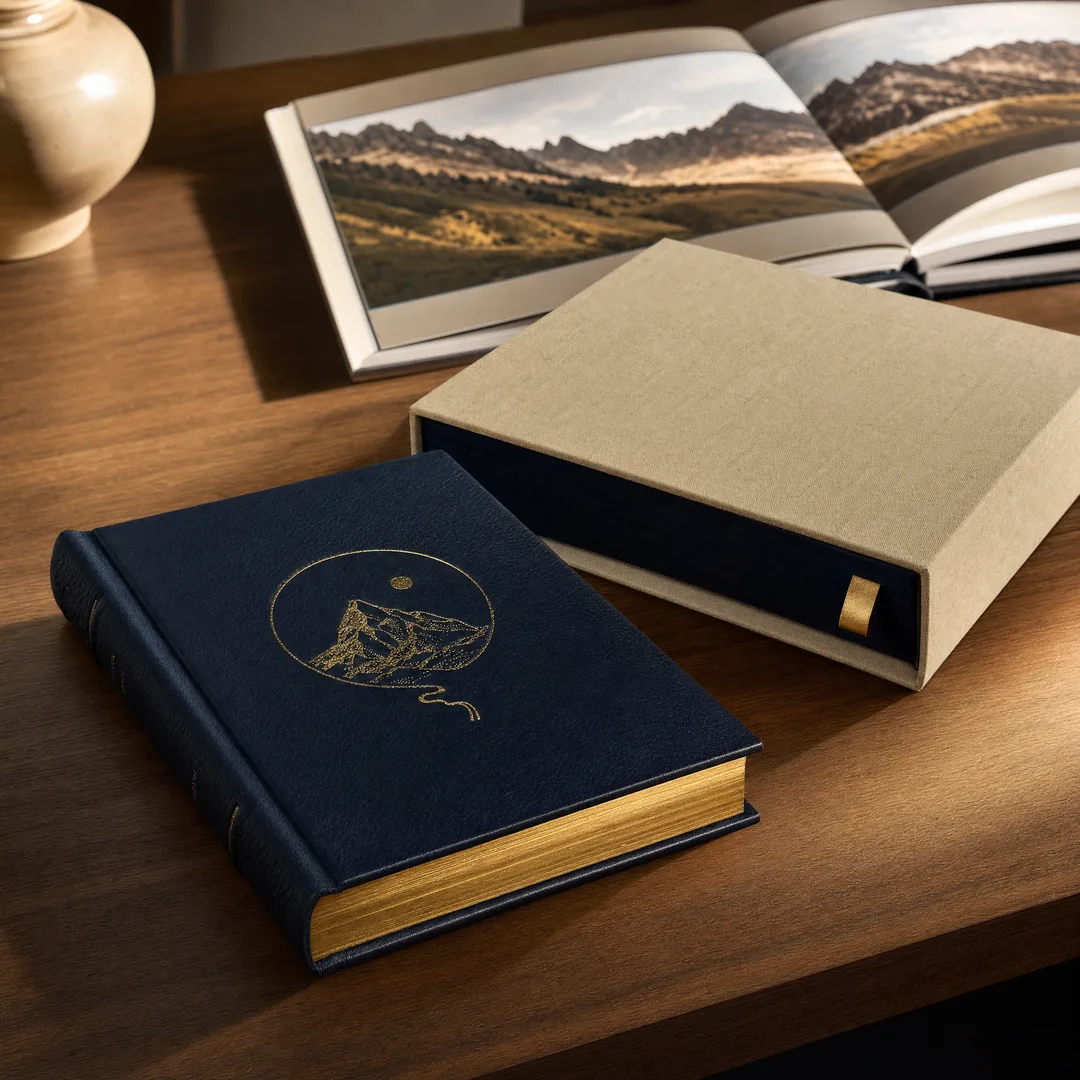
Blind debossing — no foil, just the impression — is particularly effective on leather and thick PU covers. The shadow created by the indentation changes as light moves across it. It is subtle enough for corporate gift notebooks where the branding should feel elegant rather than loud.
Combining foil with debossing (foil-stamped debossing) gives you a colored, recessed mark. It is the most premium combination, and unsurprisingly the most expensive.
Screen Printing and UV Spot Printing
Screen printing applies ink directly to the cover material through a mesh screen. It works on cloth, paper, and some synthetics. The ink sits on the surface rather than penetrating, so it can scratch off over time if the notebook sees heavy handling. UV spot printing cures ink instantly under ultraviolet light, producing a glossy, raised effect on specific areas of the cover.
Screen printing costs less than foil stamping for small runs because there is no die to manufacture — just a screen and setup. For promotional notebooks with simple single-color logos, screen printing is often the pragmatic choice.
MOQ and Sampling: What to Expect When You Start a Project
Minimum order quantity is the question every first-time buyer asks, and the answer depends more on the degree of customization than most people realize.
What MOQ Numbers Actually Look Like
A factory running an existing stock notebook with only a logo stamped on the cover might take 300-500 units. That is low-complexity: the paper, binding, and cover are already set up; the only variable is the stamping die and labor.
Full customization — your cover material, your binding choice, your interior layout, your finishing — typically starts at 1,000 units. Some factories will run 500, but the per-unit price jumps significantly because the fixed setup costs (plate-making, die fabrication, machine calibration) get spread over fewer pieces.
At 2,000-3,000 units, Chinese factories become genuinely competitive on price. At 5,000+, the economics tilt heavily in your favor. The difference between 1,000 and 5,000 units on a PU hardcover notebook might drop the unit price from $3.50 to $1.80.
The Sampling Process: Do Not Skip This
A pre-production sample (PPS) is the single most important artifact in a custom notebook printing project. It is a physical unit made on the actual production line, using the actual materials, before the full run starts. You approve the sample, the factory runs production to match it, and any deviation becomes their liability.
The sampling timeline typically runs:
Week 1-2: Factory receives your spec and artwork files, confirms feasibility
Week 2-3: Die fabrication (for foil stamping or debossing) and plate-making (for interior printing)
Week 3-4: Sample production and internal QC
Week 4: Sample ships to you (DHL/FedEx, 3-7 days depending on location)
So figure on roughly four weeks from spec to holding a sample. If anything needs tweaking — and something always does — add another round. Build this into your timeline from day one. Rushing to skip sampling to meet a launch date is how you end up with 3,000 notebooks printed on the wrong paper weight.
Sample Costs
Most factories charge $50-200 for a pre-production sample, with the fee credited against the production order. Express shipping adds $30-60 depending on destination. Yes, you are paying for the privilege of vetting your own product. It is money well spent.
The China Advantage: Why This Supply Chain Works
It is worth stepping back and understanding why China dominates notebook manufacturing — not just in volume, but increasingly in quality and complexity.
Cost Structure That Is Hard to Beat
Labor is part of the story, but it is not the whole story. The real cost advantage comes from vertical integration. A mid-sized notebook factory in Zhejiang or Guangdong typically has in-house printing (offset and digital), in-house binding (smyth sewing, perfect binding, wire-O), in-house cover-making (turned-edge, die-cutting), and in-house finishing (foil stamping, embossing, UV coating). Nothing gets outsourced, which eliminates margin stacking.
The raw materials are also produced locally. Grey board from Shandong. PU leather from Wenzhou. Offset paper from Chenming or Sun Paper. Metal wire from Hebei. The entire supply chain exists within a 500-kilometer radius, which keeps logistics costs low and lead times competitive.
Craft Depth in Specialized Clusters
Specific regions in China have built deep specialization in particular products. Wenzhou (Zhejiang) leads on PU leather notebooks and stationery. Yiwu handles promotional and gift-level products. Guangdong (Shenzhen, Dongguan, Guangzhou) covers the premium end — hardcover journals with smyth-sewn binding, luxury packaging, and complex multi-process finishing.
This clustering means factories compete on skill, not just price. A Wenzhou factory that has been making PU-covered notebooks for fifteen years has solved problems that a general-purpose printer would not even see coming: how different PU textures affect foil adhesion, how humidity affects paper curl during binding, what grain direction does to cover board warping.
Export Experience and Certification
Factories serving Western markets typically hold FSC certification (important for retailers like Target and Walmart), pass Sedex or BSCI social compliance audits, and ship to Amazon FBA warehouses with labeled cartons ready for scanning. This is not universal — you need to verify — but the infrastructure exists because the export volume demands it.
Making It Happen: Practical Steps to Start Your Project
If you are ready to move from research to production, here is a sequence that will save you time and expensive mistakes:
Write a one-page spec. Cover material, cover color, binding type, page count, paper type and weight, interior layout, finishing technique, target unit cost, and MOQ you can live with. Do not send the factory a vague email saying “I want to make notebooks.”Request quotes from three factories. Include your spec sheet. Ask for a breakdown: unit price at different quantities (500, 1000, 3000, 5000), die/setup costs, sampling fee, and shipping estimate. This breakdown makes comparison apples-to-apples.Order samples from your top choice. Do not skip this. Pay for express shipping. When the sample arrives, test everything: write on every paper type, flex the binding, check the foil stamping under angled light, measure the dimensions against your spec.Lock in the pre-production sample and sign off in writing. This becomes the reference standard for the full production run.
A well-run journal printing China project should take 6-8 weeks from final sample approval to delivery. Plan for 3-4 months total from first inquiry to having boxes on your shelf. It feels long, but rushing it costs more than waiting.
Need help navigating the process? Our book printing services cover everything from single-sample prototyping to multi-container production runs, with the same attention to materials and finishing that this guide describes. Reach out with your spec sheet and we will walk you through the next steps.