Why Your Notebook’s Binding Matters More Than You Think
When you set out to create a custom notebook, most of the attention goes straight to the cover design. That makes sense — it is the first thing anyone sees. But here is the thing nobody tells you: the binding is what people actually feel. It determines whether the notebook opens flat on a desk, whether it survives a year in a backpack, and whether it feels like a premium gift or a disposable freebie.
If you are ordering custom notebooks for your brand, your team, or your retail line, picking the right binding is not just a production detail. It is a strategic decision that shapes how people experience your product from the moment they open it. A beautiful cover on a frustrating binding is a missed opportunity — and a disappointing one at that.
This guide walks you through the three most popular binding styles for custom notebook printing : hardcover, softcover, and spiral (including wire-o). We will break down how each one feels, who it is for, what it costs, and how to make the call for your specific project. By the end, you will know exactly which binding fits your needs — and which custom options are actually worth investing in.
Hardcover Notebook Binding — Premium, Durable, and Unmistakably Memorable
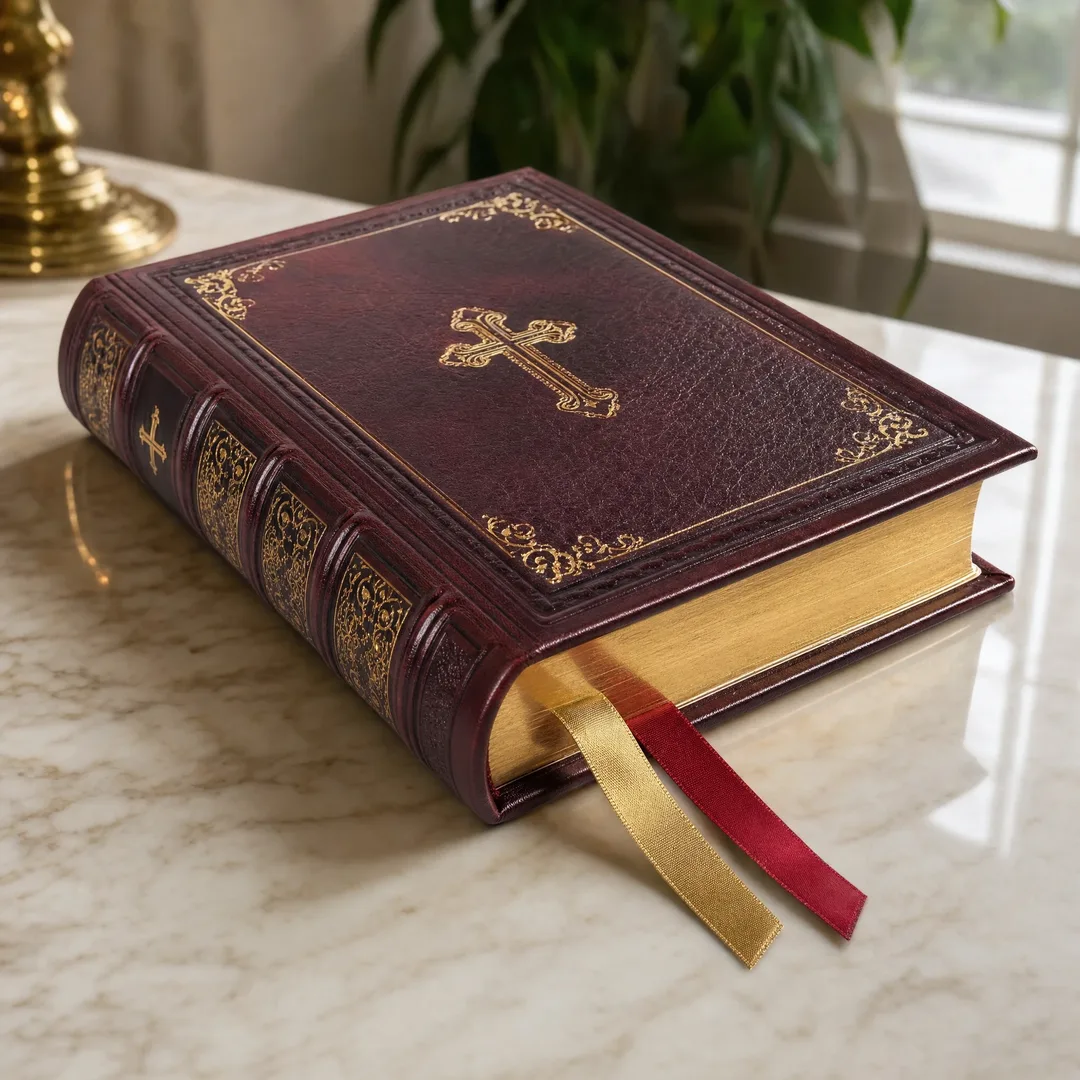
A hardcover notebook — sometimes called case-bound — is built by wrapping a rigid board with a cover material, then attaching the printed inner pages to that board at the spine. The result is a notebook with genuine weight and structure. It stands up on a shelf. It does not flop around when you carry it. And it protects the pages inside far better than any other binding type.
What makes hardcover notebooks stand out is how they make the recipient feel. There is a reason luxury brands choose case binding for their journals: it communicates quality before a single page is turned. If your notebook is meant to be a corporate gift, a premium retail product, or a keepsake that sits on someone’s desk for years, hardcover is hard to beat.
Leather and Faux Leather Cover Options
One of the biggest advantages of hardcover binding is the range of cover materials available. You are not limited to printed paper over board. Many custom notebook projects go with faux leather — also called PU leather — because it gives a soft, tactile finish at a fraction of the cost of genuine leather. It holds foil stamping beautifully, comes in dozens of colors, and wears well over time.
Genuine leather is another option for projects where budget allows and the goal is true luxury positioning. You can also explore linen-wrapped covers for an understated, textured look, or go with printed and laminated paper-over-board for a more traditional book feel. Each material shifts the perceived value of the notebook significantly, so the choice here is as much about brand positioning as it is about cost.
Who Should Choose Hardcover
Hardcover notebooks are ideal for executive gifts, premium retail journals, limited-edition brand collaborations, and any project where the notebook needs to feel substantial and long-lasting. They are also a strong pick for fundraising merchandise or conference giveaways aimed at VIP attendees — the kind of item people keep, not toss.
Softcover Notebook Binding — Lightweight, Budget-Friendly, and Surprisingly Versatile
Softcover binding — usually done through perfect binding — is the workhorse of custom notebook production. The pages are stacked, glued at the spine, and wrapped with a flexible cardstock cover. The result is a clean, professional-looking notebook with a square spine that can be printed on, making it particularly useful for branding.
If hardcover is about making a statement, softcover is about getting the job done well without overcomplicating things. These notebooks are lighter, thinner, and far easier to ship in bulk — all of which translates into real savings when you are ordering thousands of units. For brands running large-scale promotions, employee onboarding kits, or event swag bags, softcover is often the smartest choice by quite a margin.
PUR vs EVA Glue — Why It Matters
Not all perfect binding is created equal. The standard adhesive used in most softcover binding is EVA (ethylene vinyl acetate), a hot-melt glue that works fine for notebooks that will see light to moderate use. However, if your notebook needs to lay flatter or withstand more handling — think training manuals, field notebooks, or journals people will write in daily — PUR (polyurethane reactive) adhesive is a worthwhile upgrade.
PUR glue is more flexible and bonds more aggressively with the paper fibers. The difference is noticeable: a PUR-bound softcover notebook opens significantly flatter than one bound with EVA, and the pages are far less likely to loosen over time. It costs a bit more, but for notebooks that need to perform rather than just exist, PUR is money well spent.
Who Should Choose Softcover
Softcover is the go-to binding for bulk promotional notebooks, event giveaways, employee handbooks, training materials, and retail journals at an accessible price point. It offers the best balance of professional appearance and cost efficiency, especially for runs of 500 units or more.
Spiral and Wire-O Binding — The No-Compromise Choice for Practical Daily Use
Spiral binding — along with its close cousin wire-o — solves a problem that glued bindings have wrestled with forever: it lets the notebook lie completely flat, every time. No pressing down the spine. No awkward hand gymnastics while you write near the inner margin. The pages turn a full 360 degrees, which means you can fold the notebook back on itself and use it with one hand.
This functional advantage makes spiral-bound notebooks the default choice for planners, daily journals, sketchbooks, workbooks, and any notebook where writing comfort matters more than shelf aesthetics. Teachers, designers, engineers, and anyone who takes notes on the go tend to reach for spiral notebooks — and for good reason.
Plastic Coil vs Metal Wire-O
Spiral bindings generally come in two varieties: plastic coil and metal wire-o. Plastic coil is the more common option — it is lightweight, available in dozens of colors, and cost-effective. The coil is flexible enough to survive being tossed into a bag without bending permanently.
Metal wire-o, on the other hand, looks sharper and feels more premium. It allows for double-loop punching, which gives the notebook a cleaner spine appearance and a smoother page-turning experience. Wire-o binding pairs especially well with hard covers — think of a hardcover planner with metal rings, the kind you would see in a high-end stationery shop. The combination of a rigid cover and flexible binding gives you the best of both worlds.
Who Should Choose Spiral or Wire-O
Spiral binding is the clear winner for planners, academic notebooks, workbooks, recipe journals, and any notebook designed to be written in extensively. It is also a great fit for notebooks with tabbed sections or divider pages, since the coil binding easily accommodates inserts without affecting the structural integrity of the book.
Hardcover vs Softcover vs Spiral — A Quick Side-by-Side Look
Sometimes it helps to see everything in one place. Here is a straightforward comparison of how these three binding styles stack up against each other on the features that matter most when making a decision.
Durability. Hardcover leads by a wide margin. The rigid board protects pages from bending, crushing, and moisture far better than softcover or spiral options. Softcover comes second — it holds up fine under normal use but will show wear on the spine and corners over time. Spiral binding has the weakest page-edge protection, though the coil itself can last indefinitely if made from quality metal or thick plastic.
Lay-Flat Ability. Spiral wins this category outright. The notebook opens flat, stays flat, and folds completely over. Softcover with PUR glue can get close, but it still fights you a little near the center. Traditional hardcover is the most restrictive — you cannot write comfortably across the gutter unless you go with a lay-flat hardcover construction, which is available but costs more.
Cost. Softcover is the budget leader, especially at volume. Hardcover sits at the premium end — roughly 50% to 100% more per unit depending on materials and finishing. Spiral falls somewhere in between for lower quantities, though at very high volumes it can compete with softcover pricing depending on coil material and cover stock.
Perceived Value. Hardcover dominates here. It feels expensive, looks impressive, and people instinctively treat it with more care. Softcover reads as practical and well-made. Spiral reads as functional — which is not a bad thing, but it does signal a different use case.
Branding Surface. All three offer solid branding real estate. Hardcover gives you the most surface area with the biggest creative impact — foil stamping, debossing, spot UV, you name it. Softcover has a printable spine, which is surprisingly useful for notebooks that will sit on retail shelves or office bookshelves. Spiral notebooks typically brand the cover rather than the spine, but you can also use colored coils to add a subtle brand accent.
How to Choose the Right Binding for Your Custom Notebook Project
The right binding is not about which one is objectively better — it is about which one aligns with how your notebook will actually be used. Here are the key questions to ask yourself before you commit.
What Is the Primary Use Case?
If the notebook will be written in daily — as a planner, journal, or workbook — spiral or wire-o binding is almost always the right answer. The lay-flat convenience is simply too valuable to give up. If the notebook is meant to be kept on a shelf and referenced occasionally — like a brand book or an annual report in notebook form — hardcover provides the best long-term preservation. If the notebook is going to be handed out in large quantities and used for a short period, softcover gives you the best economy without looking cheap.
What Is Your Budget?
Be realistic about what each binding costs at your order volume. Softcover perfect binding is the most economical option for runs above 500 units. Spiral binding can be competitive in the mid-range, especially with plastic coils. Hardcover is the premium tier — but it also delivers a premium return on investment if the notebook’s role is to impress.
One thing worth noting: the cost gap between bindings narrows as your order quantity grows. At 10,000 units, the per-unit difference between softcover and spiral might be negligible. At 500 units, it could be significant. Always request a breakdown by quantity before finalizing your binding choice.
What Is the Brand Impression You Want to Leave?
A hardcover notebook says “we invest in quality.” A softcover notebook says “we are thoughtful and practical.” A spiral notebook says “we understand how you actually work.” None of these messages is wrong — they are just different. Match the binding to the story you want your notebook to tell.
How Long Should the Notebook Last?
For a one-time event giveaway, softcover is usually sufficient. For a notebook someone will carry daily for a year, hardcover or thick-cover spiral is a safer bet. For a keepsake — a wedding journal, a graduation gift, a commemorative edition — hardcover is the only binding that truly holds up decades later.
Custom Options Worth Considering for Any Binding Type
Once you have settled on a binding style, the real fun begins. Custom notebooks are not just about the binding — they are about all the details that make the notebook feel uniquely yours. Here are the customization options that make the biggest difference, regardless of which binding you choose.
Cover Materials and Finishes
For hardcover notebooks, faux leather, genuine leather, linen, and printed paper-over-board are all on the table. Softcover notebooks typically use 250 to 350gsm cardstock with a matte or gloss lamination for durability. Spiral notebooks can mix and match — a rigid cover front with a flexible back, or a clear PVC cover layer to protect a custom print underneath.
Paper Selection
The paper inside matters just as much as the cover outside. Common options include 80gsm to 120gsm uncoated offset paper for writing, with 100gsm being the sweet spot for most notebooks — thick enough to prevent ghosting, thin enough to keep page counts reasonable. For notebooks intended for fountain pen users, look for paper with low absorbency. For sketchbooks, go heavier — 140gsm or above. Cream-colored paper is popular for journals and literary notebooks, while bright white reads as more professional and corporate.
Page Layout and Interior Design
Lined, dotted, grid, blank — the interior layout shapes how people use the notebook as much as the binding does. Dotted pages have surged in popularity for bullet journaling and flexible note-taking. Lined pages remain the safe default for most corporate and educational use. Grid pages appeal to designers and engineers. No single layout works for everyone, so it is worth surveying your audience or reviewing your target market before committing.
Size and Format
A5 (148 × 210 mm) is the most widely used notebook size globally — it is portable without being cramped. B5 (176 × 250 mm) offers more writing space and works well for planners and workbooks. A6 (105 × 148 mm) is the pocket-sized option, popular for travel journals and quick-noting companions. Most custom notebook printing projects default to A5, but do not assume it is the right size for your specific audience without checking.
Special Finishing Touches
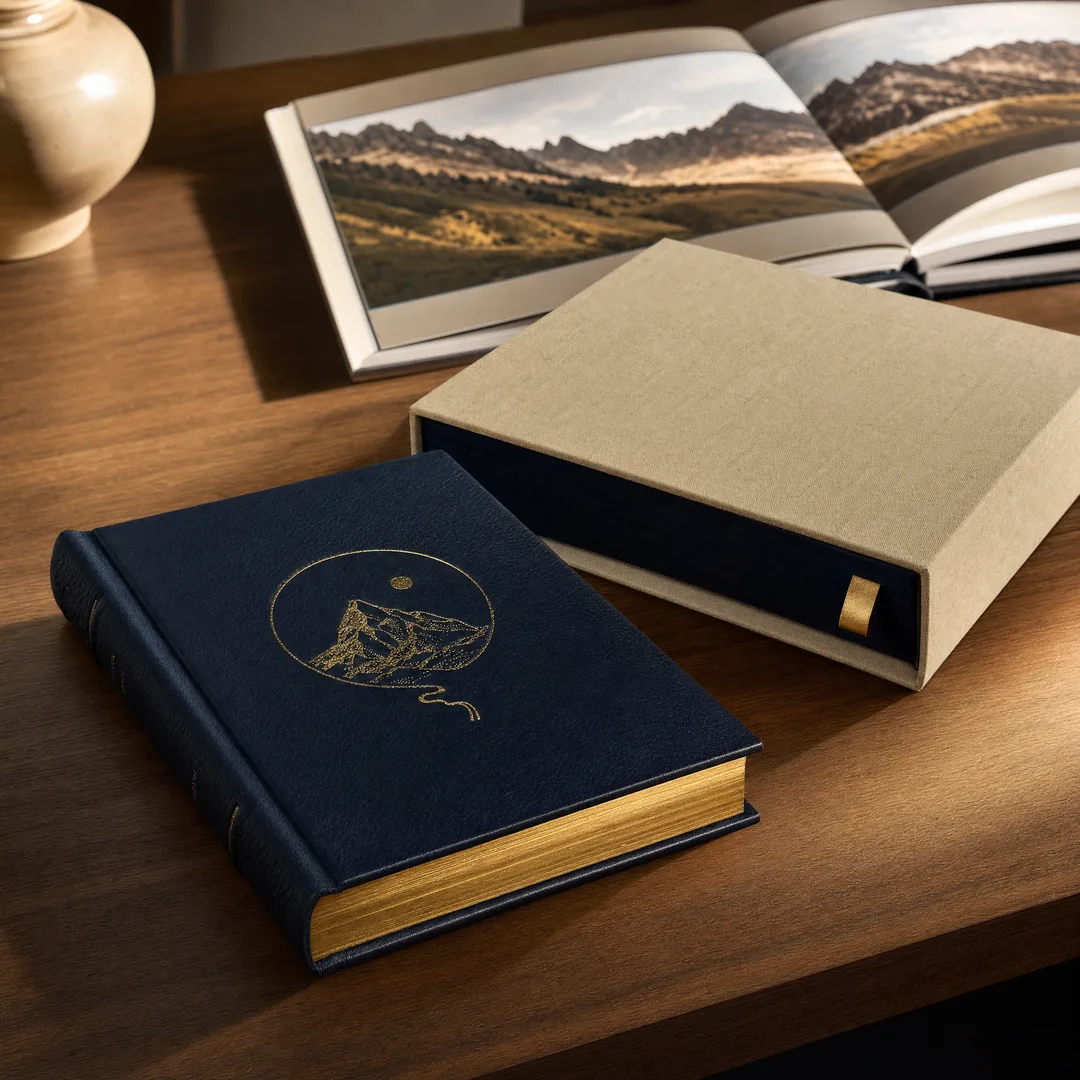
Foil stamping on the cover or spine adds a metallic accent that catches light and elevates the entire product. Debossing creates a recessed impression — subtle, tactile, and elegant. Spot UV lets you add a glossy highlight to a matte cover, creating contrast that draws the eye. Elastic closure bands, ribbon bookmarks, and expandable inner pockets are small additions that make a big difference in daily usability. Each of these options adds cost, but they also add perceived value — often far more than they cost to produce.
The Right Binding Makes the Notebook
Choosing between hardcover, softcover, and spiral binding is not about picking a winner. It is about understanding what each binding type does best and matching that to your project’s specific goals. A corporate executive gift calls for a hardcover notebook with a leather cover and foil-stamped logo. A 5,000-unit conference giveaway makes far more sense as a softcover. A daily planner that lives on someone’s desk all year practically demands a spiral or wire-o binding.
What matters most is that the binding serves the user — not the other way around. When the binding aligns with how the notebook will actually be used, the whole product feels intentional. That is when a custom notebook stops being just another piece of stationery and becomes something people genuinely want to keep using.
For a broader look at the custom notebook printing process — covering paper types, standard sizes, MOQ guidelines, and binding options — see our Notebook & Journal Printing in China: Custom Guide .
At EcoPrinting, we have seen thousands of custom notebook projects move from concept to finished product, and the ones that succeed all share one thing in common: the binding was chosen with care, not as an afterthought. If you are planning a custom notebook printing project and want to talk through your options — from paper stock to cover materials to binding style — reach out to our team at ecobookprinting.com . We will help you match every detail to your vision, without the guesswork.