Why Lamination Is the Final Line of Defense for Your Printed Books
You spent weeks perfecting the layout. The cover design looks stunning on screen. Then the first proof arrives, and within days the edges start curling, fingerprints appear, and that vibrant color begins to fade. Sound familiar? This is exactly where lamination printing steps in — it is the invisible shield that keeps your printed work looking fresh for years.
Most first-time authors and publishers overlook this step entirely. They assume the printer will handle everything. However, choosing the right finish can make the difference between a book that flies off shelves and one that collects dust in a bargain bin. The truth is simple: readers judge books by their covers, and a laminated cover signals quality before anyone reads a single word.
In this guide, we walk through everything you need to know about lamination printing. You will learn what it actually is, how glossy and matte finishes compare, and which option makes sense for your project. We also cover soft-touch lamination — a third option many people do not even know exists. By the end, you will have a clear answer for your next print run.
What Is Lamination Printing?
Lamination printing is the process of applying a thin, transparent plastic film to the surface of printed material. Think of it as a protective skin that bonds directly to your paper or cardstock. The film can be glossy, matte, or soft-touch, and each option changes both the look and the feel of the final product.
The lamination layer serves multiple functions at once. First, it creates a physical barrier against moisture, dirt, and everyday handling. Second, it reinforces the paper, making tear-resistant covers that hold up under repeated use. Third, and most importantly, it enhances visual appeal. Colors look deeper under a glossy laminate, and a matte finish adds an understated elegance that screams premium quality.
Thermal lamination uses heat to activate an adhesive layer on the film, creating a permanent bond. Pressure-sensitive lamination relies on a cold adhesive that sticks under pressure alone. For book covers, thermal lamination is the go-to choice because it delivers a stronger, longer-lasting bond. The film itself is typically polypropylene (OPP or BOPP) or polyester (PET), with thicknesses ranging from 25 to 250 microns depending on your durability needs. At EcoPrinting, both methods are available, with thermal being the standard recommendation for most publishing projects.
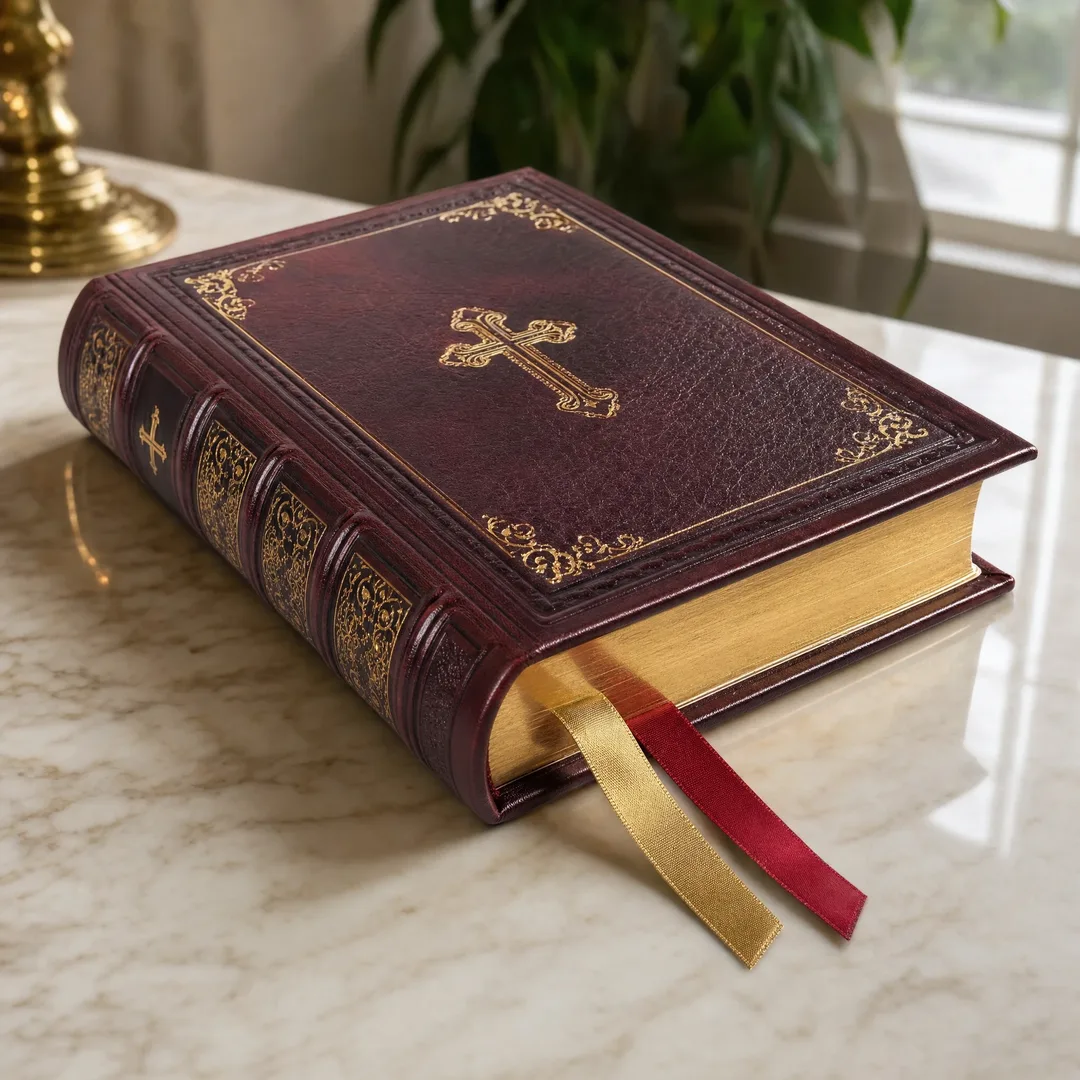
A common misconception is that lamination printing is only for luxury projects. That could not be further from the truth. Even a simple paperback benefits from a laminated cover. In fact, most commercially printed books you see in bookstores — from mass-market paperbacks to high-end coffee table editions — feature some form of lamination. The question is not whether to laminate, but which type to choose.
Three Types of Lamination: Glossy, Matte, and Soft-Touch
Choosing a lamination type feels a lot like picking the right frame for a painting. Each option changes how people perceive the work. Here is a breakdown of the three main lamination printing finishes available today.
Glossy Lamination
Glossy lamination delivers a shiny, reflective surface that makes colors pop. Light bounces off the film and intensifies everything underneath it. Reds become richer, blues go deeper, and photographs gain a near-liquid depth that draws the eye immediately. If you have ever picked up a magazine and noticed how the cover practically glows under store lighting, you have seen glossy lamination at work.
This finish works particularly well for projects where visual impact matters most. Children’s books, product catalogs, and event posters all benefit from that high-shine look. In addition, glossy lamination makes text more legible in low-light conditions because the reflective surface catches ambient light. Another practical advantage: fingerprints and smudges wipe off glossy surfaces far more easily than uncoated paper.
There is a trade-off, though. Glare can become a problem under bright or direct lighting. For text-heavy covers, that reflective sheen sometimes makes reading harder, not easier. And while glossy lamination hides minor scratches well, deeper scuffs stand out more than they would on a matte surface. Still, for sheer visual punch, nothing beats glossy.
Matte Lamination
Matte lamination takes the opposite approach. Instead of reflecting light, it diffuses it across the surface. The result is a smooth, velvety, non-reflective finish that looks sophisticated and feels expensive. Colors appear softer and more muted, which might sound like a downside until you see it in person — the effect is subtle and refined rather than dull.
This finish dominates high-end publishing. Art books, corporate annual reports, and luxury brand catalogs almost always use matte lamination because it conveys elegance without screaming for attention. Furthermore, matte surfaces are far easier to read under any lighting condition. There is no glare to fight with, so readers can enjoy the cover whether in a brightly lit bookstore or curled up under a bedside lamp.
Matte lamination does have a few quirks worth knowing. It shows fingerprints and oil marks more readily than glossy — a concern if your book will be handled frequently in a retail setting. Scratches also tend to be more visible on matte surfaces. However, for projects where subtle elegance is the goal, these minor drawbacks rarely outweigh the aesthetic payoff.
Soft-Touch Lamination
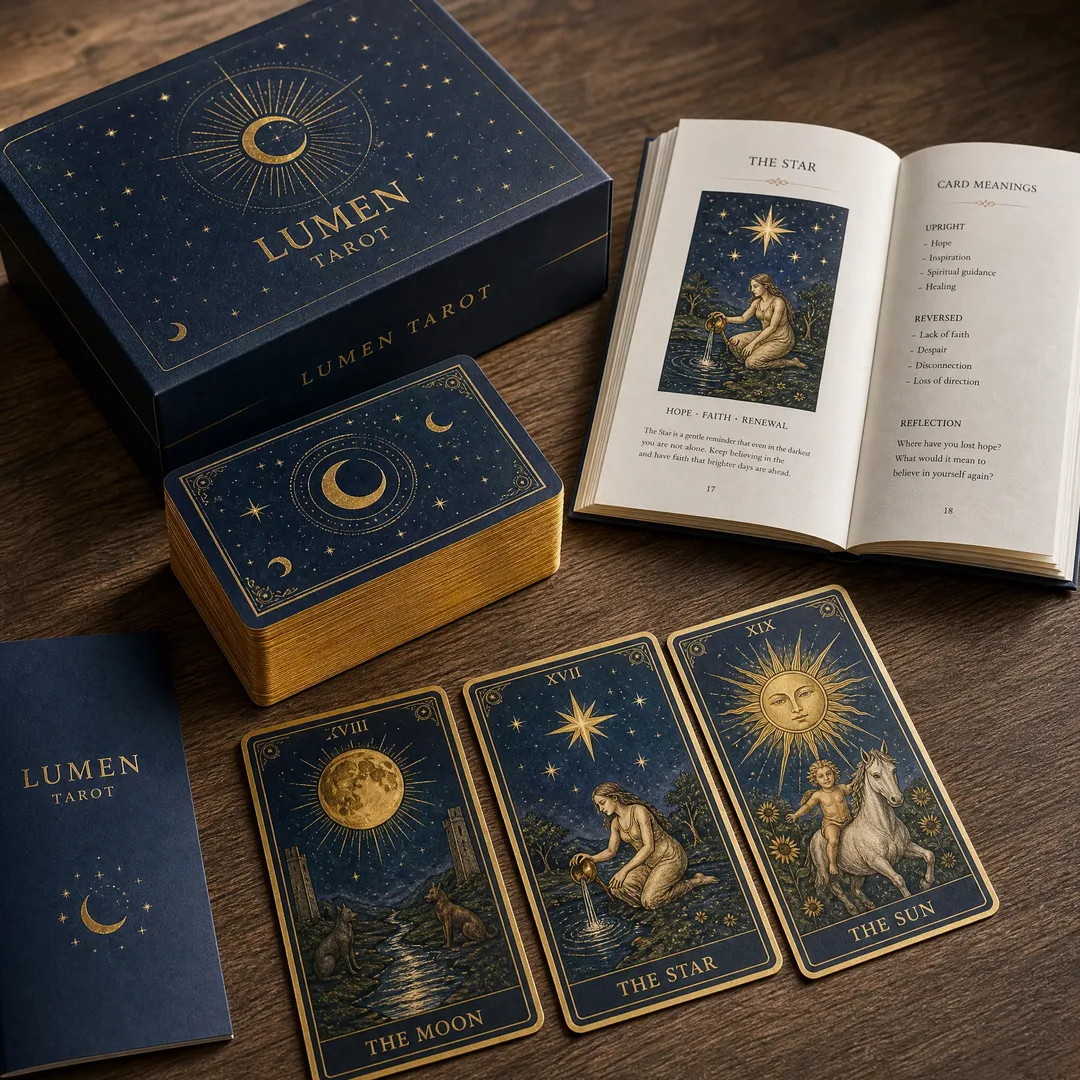
Soft-touch lamination is the newcomer that has taken the print world by storm. It combines the non-reflective look of matte with a tactile sensation that is hard to describe — imagine running your fingers over a ripe peach or a fine suede fabric. That is what a soft-touch laminated cover feels like. The sensory experience alone can justify the choice for certain projects.
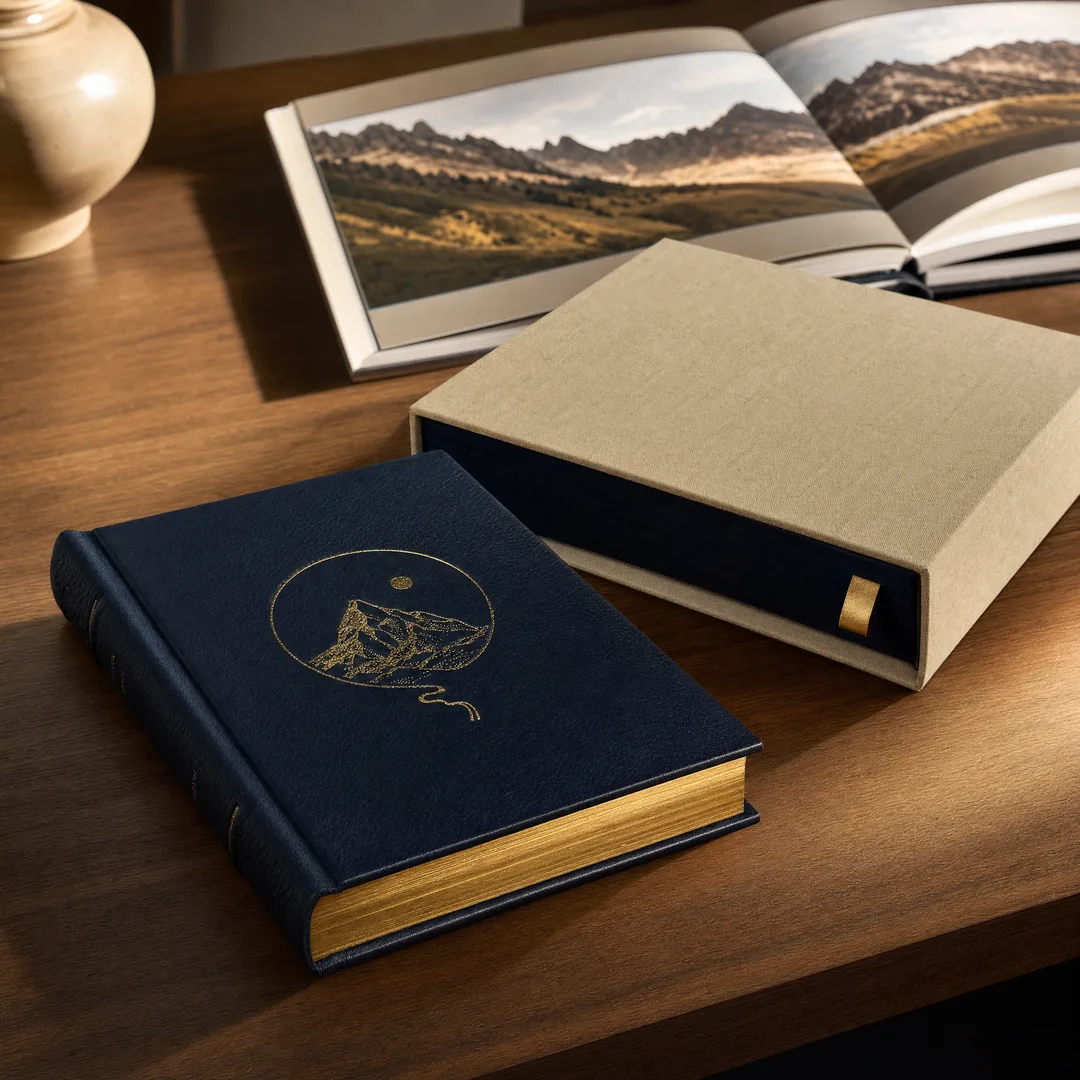
This finish appears most often on luxury packaging, high-end book covers, and premium corporate stationery. When someone picks up a soft-touch book, they do not just see quality — they feel it. The tactile dimension adds an extra layer of perceived value that glossy and standard matte finishes cannot match. For this reason, soft-touch lamination has become a favorite for limited-edition runs, gift books, and premium non-fiction titles.
The main downsides are cost and availability. Soft-touch films cost more than standard glossy or matte options, and not every printer offers them. Scratches are also easier to see on soft-touch surfaces, similar to matte. But if your project’s selling point is the sensory experience — think poetry collections, luxury brand books, or high-end journals — soft-touch lamination is well worth the investment.
Glossy vs Matte Lamination: A Side-by-Side Comparison
Now that you understand each type, let us put glossy and matte lamination side by side. This comparison focuses on the factors that matter most when making a real buying decision.
Appearance and Visual Impact
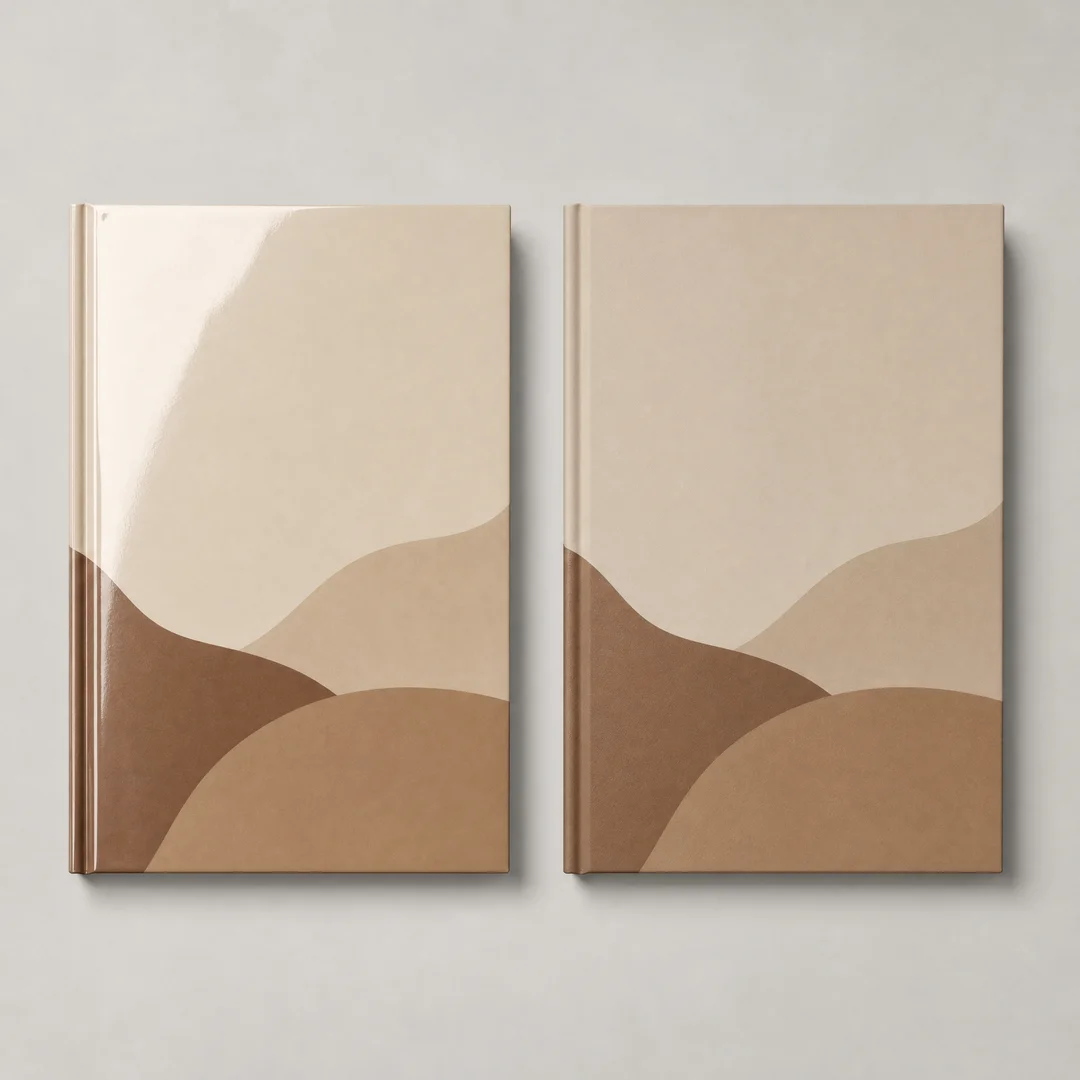
Glossy lamination amplifies color saturation and contrast. It makes images look sharper and more dynamic. Matte lamination, meanwhile, softens colors and creates a refined, glare-free look. Neither is objectively better — they serve different visual goals. If your cover relies on bold photography and vibrant graphics, glossy will serve you well. If your cover leans on typography, negative space, and a minimalist aesthetic, matte will complement that vision far better.
Durability and Practical Handling
Both finishes provide excellent protection against moisture, tearing, and general wear. However, their real-world performance differs in subtle ways. Glossy lamination resists fingerprints and smudges more effectively, which makes it the smarter choice for books that will see heavy customer handling — think cookbooks, children’s titles, and in-store displays. Matte lamination hides scuffs and minor scratches better, so it holds up well over years on a personal bookshelf.
One factor many people overlook: glossy covers can stick to each other in humid environments. If you are shipping books to tropical climates or storing them in a warehouse without climate control, matte lamination eliminates that risk. This is a small detail, but for publishers managing international distribution, it matters.
Cost Comparison
For standard lamination printing, glossy and matte films cost roughly the same. The price difference is marginal — typically within 5% of each other. Soft-touch lamination adds a more noticeable premium, usually 15% to 25% more than standard options depending on quantity. At EcoPrinting, we work with volumes that keep these costs competitive, so the choice rarely boils down to price alone. Most clients choose based on aesthetics and function, not pennies per cover.
Application Cheat Sheet
Choose Glossy if: your project prioritizes visual pop, features colorful photography or illustrations, needs to resist fingerprints in high-traffic settings, or targets a younger, more energetic audience.
Choose Matte if: your project aims for an understated premium feel, relies heavily on typography, needs to stay readable under any lighting, or targets a professional or luxury-oriented audience.
Choose Soft-Touch if: tactile experience is central to your product’s perceived value, you are producing a limited edition or premium gift book, or you want the most memorable unboxing experience possible.
How Lamination Printing Benefits Different Industries
Different industries use lamination printing in different ways, and knowing what works in your space helps narrow the decision. Here is how various sectors typically approach it.
Book Publishing
Trade paperbacks and hardcovers represent the largest market for lamination printing. Most fiction paperbacks use glossy because it catches the eye on crowded shelves. Literary fiction and non-fiction often lean matte for a more serious, sophisticated presence. Children’s books almost universally use glossy — kids touch everything with sticky fingers, and glossy wipes clean in seconds.
Packaging and Product Boxes
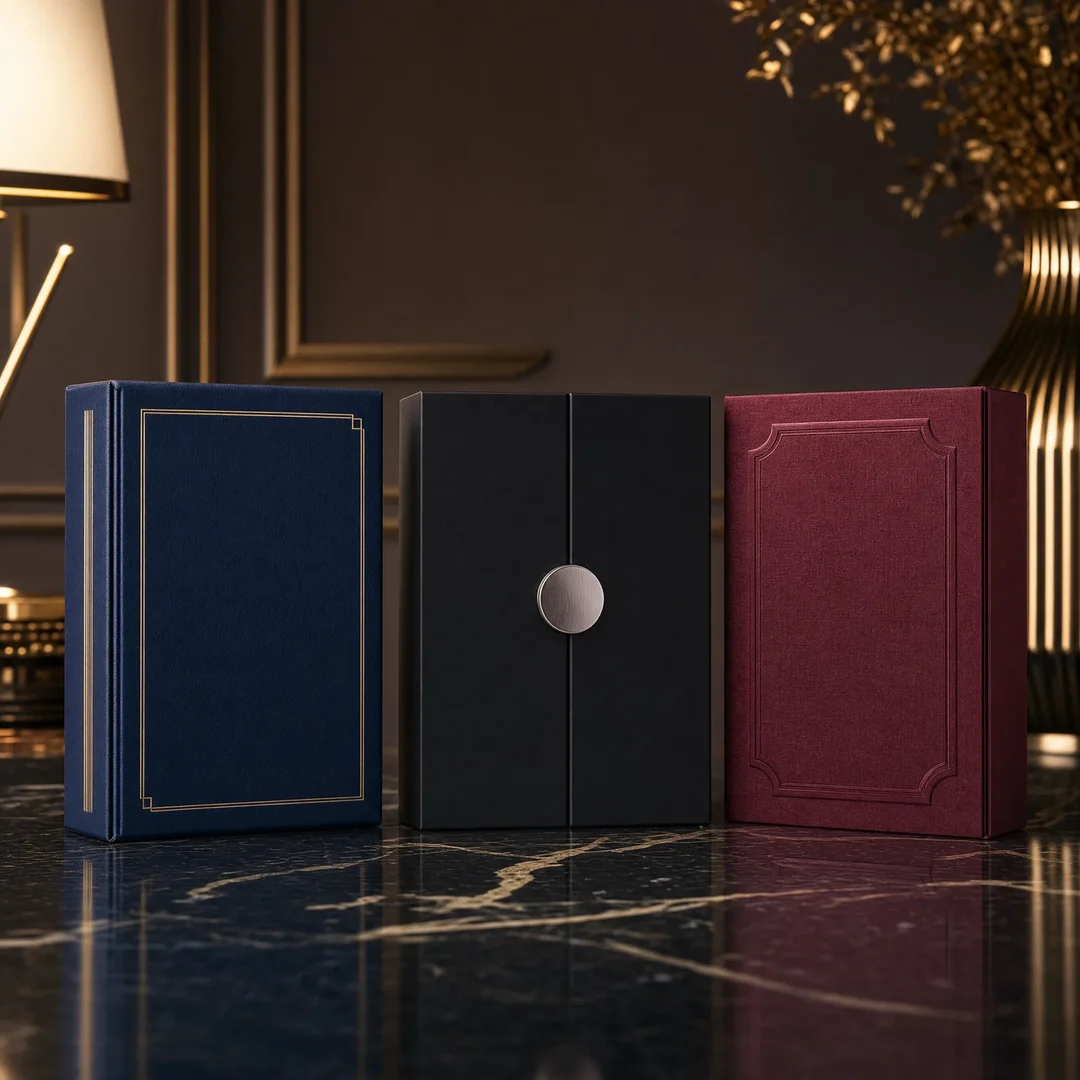
Custom packaging relies heavily on lamination to communicate brand quality. A matte-laminated box with spot UV accents sends an entirely different message than a full-gloss box. Luxury goods favor matte or soft-touch, while mass-market products lean glossy. The lamination choice often reveals more about brand positioning than the product itself.
Marketing and Promotional Materials
Business cards, brochures, and presentation folders benefit enormously from lamination printing. A matte-laminated business card feels substantial and professional. A glossy brochure for a travel agency makes destination photos look irresistible. For trade show materials that get handled by hundreds of people over a single weekend, lamination is not optional — it is essential. Without it, your beautiful brochures look tired and worn by day two.
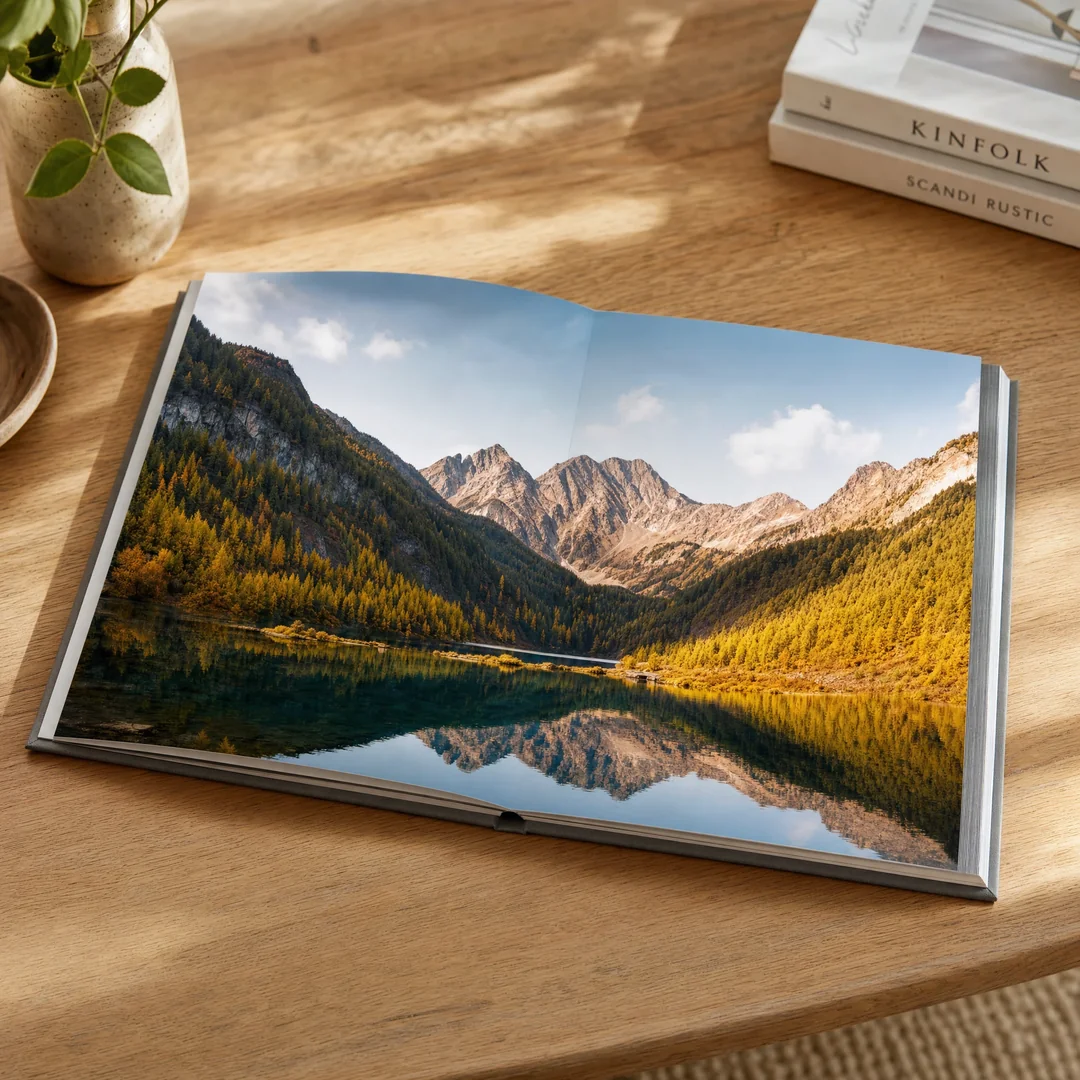
Art Reproductions and Photography Books
Fine art and photography books present a unique challenge. Glossy lamination can make images look stunning, but the glare can also distort the viewing experience. Many art book publishers solve this by using matte lamination on the cover and reserving glossy finishes for interior pages where the reader controls the viewing angle. This hybrid approach gives you the best of both worlds without compromise.
Frequently Asked Questions About Lamination Printing
Does lamination printing make my book waterproof?
Not completely waterproof, but highly water-resistant. A laminated cover can handle light splashes and damp hands without damage. Submerging it in water will still cause problems because moisture can seep in through the edges where the lamination stops. For true waterproofing, you would need specialty substrates like synthetic paper, which is a different process entirely.
Can I write on a laminated surface?
Standard pens and markers will not work well on laminated surfaces — the ink beads up or smears. If you need writability, matte lamination is slightly more receptive than glossy, but it is still not designed for writing. Some specialty laminates are formulated to accept pen ink, and this is something you can request as a custom option through EcoPrinting.
How long does lamination last?
A properly applied lamination should last the lifetime of the book under normal conditions. The bond between film and paper actually strengthens over time as the adhesive fully cures. The main threats to longevity are extreme heat, prolonged direct sunlight, and physical abrasion — none of which are typical for a book sitting on a shelf.
Can lamination be recycled?
Standard laminated paper is harder to recycle than uncoated paper because the plastic film must be separated from the paper fiber. However, the printing industry has made progress here. Some laminates are now manufactured with bio-based or biodegradable films. If sustainability is a priority for your brand, ask about eco-friendly lamination options at the quoting stage. We are happy to walk you through the alternatives available today.
What is the minimum order for laminated covers?
Most commercial printers set minimums around 100 to 500 units for laminated covers. At EcoPrinting, we accommodate both short runs and bulk orders, so even indie authors can access professional-grade lamination printing without ordering thousands of copies. Reach out with your quantity and we will give you an honest answer.
Why Choose EcoPrinting for Your Lamination Printing Needs
We have talked a lot about the technical side of lamination printing, but the reality is that great results depend just as much on the partner you choose as the material itself. A poorly applied laminate peels, bubbles, or looks uneven — and no amount of design talent can fix a sloppy finishing job.
EcoPrinting brings years of specialized experience in book finishing to every project. Our equipment runs calibrated daily, and our team inspects output at multiple checkpoints throughout production. We do not just apply a film and call it done — we check adhesion, edge consistency, and surface uniformity on every batch. Small details like trimmed edge sealing and precise film tension make the difference between a cover that lasts and one that lifts at the corners after a few weeks.
Beyond quality control, we offer flexibility that larger printers simply cannot match. Need a sample pack comparing glossy, matte, and soft-touch on your actual cover stock? We will send one for free. Not sure which thickness suits your binding method? Our production team will recommend the right spec based on your page count, paper weight, and intended use. Every project — from a 50-copy indie poetry run to a 50,000-copy trade paperback — gets the same attention to detail.
Your book deserves a finish that matches the effort you put into writing it. Whether you go glossy for maximum shelf appeal, matte for understated elegance, or soft-touch for a memorable tactile experience, the right lamination printing choice protects your work and elevates its perceived value. The only wrong move is skipping it altogether.
Ready to feel the difference? Request a free lamination sample pack from EcoPrinting today. Tell us about your project, and we will ship you real samples so you can compare finishes in your own hands before making a decision. Because spec sheets and online photos only get you so far — some things you need to touch to understand.