What Is Paperback Book Printing — and Why It Dominates the Market
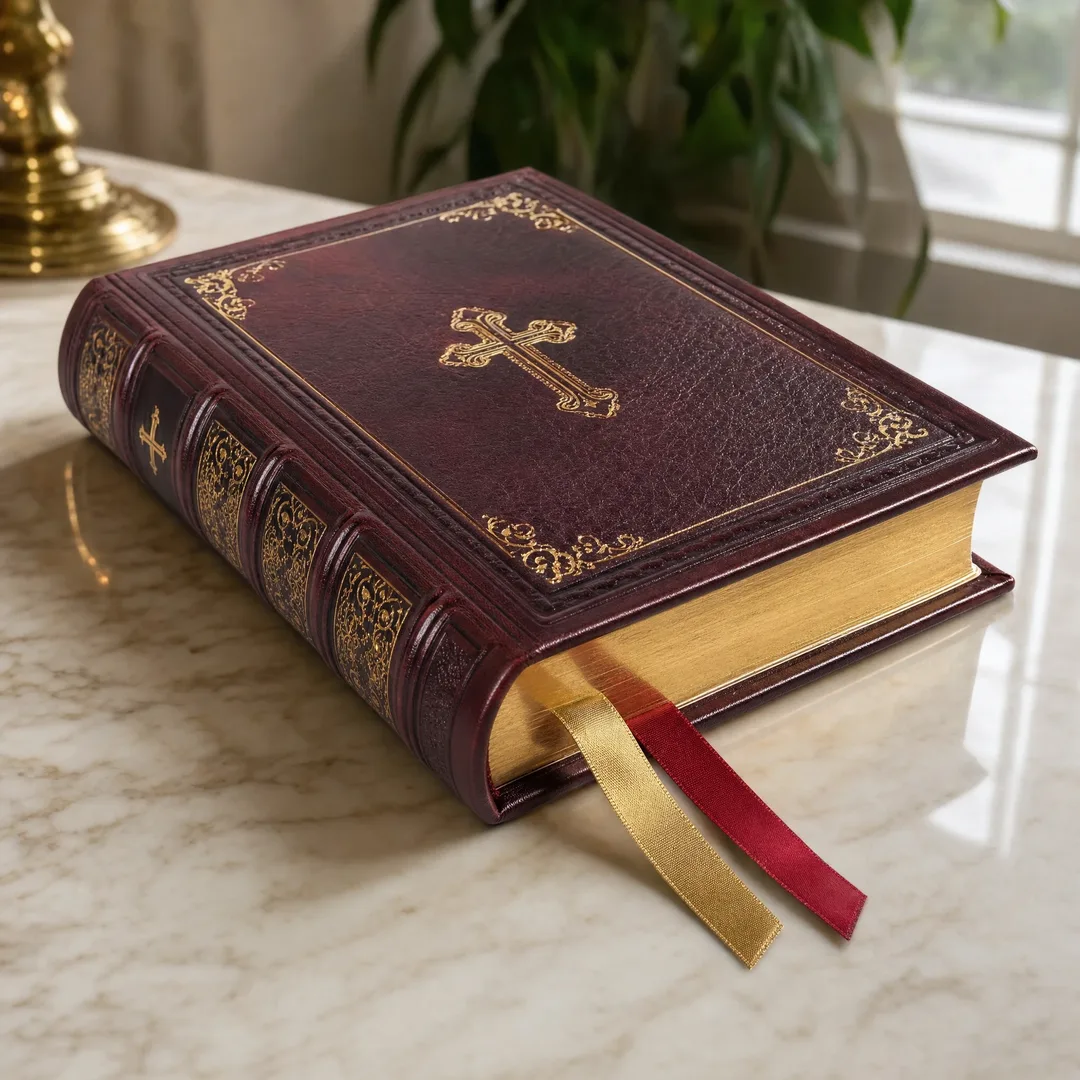
Walk into any bookstore and count the books on the front tables. At least seven out of ten will be paperbacks. The format has ruled trade publishing for decades, and self-published authors lean on it even harder. Paperback book printing means producing books with a flexible cardstock cover, pages glued or sewn at the spine, and edges trimmed flush — the most cost-effective way to get a physical book into a reader’s hands.
Bowker tracked over 2.3 million self-published ISBNs in the US in 2023, most launched as paperbacks. Traditional publishers follow the same rhythm: release a hardcover for early adopters, roll out the paperback nine to twelve months later to capture volume. Readers reach for the format because it weighs less, fits in a bag, and costs under $20. Publishers choose it because unit economics hold at almost any print quantity.
If you are getting ready to launch a first book or scale an existing title, understanding paperback book printing — from prepress to binding, paper grades, and sourcing — saves thousands of dollars and weeks of frustration. This guide walks through the process with real numbers you can act on today.
Paperback vs Hardcover — The Practical Differences That Matter
Most first-time authors assume the choice between paperback and hardcover is about prestige. It is actually about production cost, reader expectation, and retail placement. Here is how the two formats compare on variables that affect your bottom line.
Production cost. A paperback costs 40% to 60% less to manufacture than a hardcover of the same page count. For a 250-page 6×9 trade book at 1,000 copies, expect roughly $2.80 to $3.50 per unit for a paperback versus $5.50 to $7.50 for a hardcover — the case-wrapped board and extra labor drive the difference.
Retail pricing. Mass-market paperbacks sell for $7.99 to $9.99. Trade paperbacks (5.5×8.5 or 6×9, the most common self-publishing format) sell for $14.99 to $19.99. Hardcovers command $24.99 to $34.99. Hardcover margins look fatter per unit, but most self-published authors report selling two to five times more copies in paperback — volume wins.
Reader experience. Paperbacks bend in a bag, weigh less, and cost less. Commuters and travelers strongly prefer them. Hardcovers open flat on a desk and shrug off multiple reads without creasing — which is why libraries and gift buyers lean that way. The average reader grabbing a novel or non-fiction paperback cares about the story and the price, not the binding.
Lead time. Offset paperback runs ship in 15 to 25 working days. Hardcovers with dust jackets, case stamping, and endpapers often push past 30 days. When speed matters, paperback book printing wins.
The Paperback Book Production Process — Step by Step
Knowing the production pipeline helps you catch problems before they become costly reprints. Here is how a paperback moves from manuscript to finished book.
Step 1 — File Preparation and Prepress
Everything starts with a print-ready PDF. Your interior file needs 3 mm bleed on all edges, fonts embedded, and images at 300 DPI minimum. The cover file must be a single spread (front cover + spine + back cover) with spine width calculated from your page count and paper thickness. Guessing the spine width is the most common mistake first-timers make — use your printer’s spine calculator.
During prepress, technicians check for resolution issues, font problems, and color profile mismatches. CMYK is mandatory for offset. Convert from RGB before you submit — automatic conversion can shift colors in ways you will not like.
Step 2 — Digital Proofing
A good printer provides a PDF soft proof for content review and a printed hardcopy proof for color accuracy. Check every page. Look for missing images, shifted margins, incorrect running heads, and spine alignment. Catching an error at proof stage costs nothing. Catching it after 2,000 copies roll off the press costs the full run.
Step 3 — Printing the Interior Pages
For runs of 500 copies and above, offset lithography delivers the best balance of cost and quality. Plates burn from your PDF, CMYK inks hit sheet-fed Heidelberg or Komori presses running 10,000 to 15,000 impressions per hour. For smaller quantities, digital toner or inkjet presses produce books at a higher per-unit cost but with zero plate setup fees.
Printed sheets emerge as large flat signatures — typically 8, 16, or 32 pages per side — then fold, gather in sequence, and stack for binding.
Step 4 — Binding
The standard for paperback book printing is perfect binding: the gathered book block gets its spine edge roughened, hot-melt EVA glue applied, and the cover wrapped around until set. EVA works well for most trade books but can turn brittle in cold and does not handle heavy use as well as PUR (polyurethane reactive) adhesive.
PUR binding costs 10% to 15% more but produces a significantly stronger bond. If your book exceeds 300 pages, uses heavy paper, or heads to libraries, spend the extra money. The spine will not crack after repeated reading.
Some printers offer sewn perfect binding — sewn signatures plus PUR glue — for projects demanding hardcover-level durability at a paperback price.
Step 5 — Trimming and Quality Control
The bound book passes through a three-knife trimmer for clean, flush edges on all three sides. QC inspectors check for off-center trimming, glue bleed, wrinkled covers, and color consistency against the approved proof. A reputable printer rejects defects before they reach the packing line.
Choosing the Right Paper for Your Paperback
Paper choice affects readability, perceived quality, shipping weight, and spine thickness. Get it right and readers compliment the feel of your book. Get it wrong and your novel feels like a phone directory — or worse, the text shows through from the other side.
Interior Text Paper
For novels, memoirs, and text-heavy non-fiction, uncoated offset paper at 80 to 100 GSM is the industry standard. It has a natural slight tooth that makes long reading sessions comfortable and accepts ballpoint pen without smearing — important for workbooks and journals. Cream-tinted offset reduces eye strain during extended reading and gives literary fiction a warmer feel than bright white.
For image-heavy books — cookbooks, photography collections, illustrated children’s books, and graphic novels — coated paper is non-negotiable. Gloss art paper at 128 to 157 GSM delivers vibrant color reproduction and sharp detail. Matte art paper at the same weight offers excellent image quality without reflective glare, making it a strong choice for coffee table books and art monographs. Expect coated paper to add 20% to 40% to your interior paper cost compared to uncoated offset of the same weight.
Short books under 60 pages face a different challenge: spine visibility. A 48-page novel on 80 GSM paper gives you a spine just 2 to 3 mm wide — too thin to print a title on. Switch to 120 or 140 GSM uncoated paper and you get a printable spine of 4 to 5 mm, which matters enormously for retail presence.
Cover Paper
Paperback covers typically use 250 to 300 GSM coated art paper — either C1S (coated one side) or C2S (coated two sides). C1S paper has a coated, glossy outer surface for vivid cover art and an uncoated inner surface that grips binding glue more reliably. C2S paper is coated on both sides and works well when the inside cover includes printed content, such as author photos or maps.
For premium paperbacks — literary fiction, poetry collections, art books — 300 GSM cover stock with soft-touch or matte lamination creates a tactile, high-end feel. The heavier cover also resists curling in humid environments, a practical win if your book ships to coastal or tropical markets.
Cover Finishing Options — What They Cost and When to Use Them
The cover sells the book. Finishing treatments add protection against scuffing, moisture, and fading — and they give your book a professional look that signals quality to readers and retailers.
Gloss Lamination
A thin plastic film that intensifies color saturation and makes cover art pop — ideal for children’s books, comics, and genre fiction. The trade-off: fingerprints show under bright light. Included as standard at most printers.
Matte Lamination
Same protective film, non-reflective finish. Matte lamination resists fingerprints, looks sophisticated, and is the default for literary fiction, business books, and non-fiction. Dark colors can appear slightly muted — compensate by bumping cover contrast 5% to 10%. Included as standard.
Soft-Touch Lamination
A velvet-like finish readers cannot stop touching. It costs more than standard matte — roughly $0.15 to $0.30 extra per copy — but the sensory quality drives word-of-mouth. Works best on dark backgrounds with minimal text.
Spot UV
High-gloss varnish applied to specific elements — the title, author name, or a graphic — on top of a matte or soft-touch cover. The contrast catches light as the book moves. Adds $0.10 to $0.25 per copy and requires a separate mask file. One of the highest-impact upgrades for the money.
Foil Stamping and Embossing
Metallic foil — gold, silver, copper, holographic — pressed into the cover. Embossing raises a design element; debossing pushes it inward. Foil stamping adds $0.30 to $0.60 per copy plus a one-time die charge of $50 to $150. For limited editions, deluxe paperbacks, and gift books, the return is clear.
Paperback Book Printing China — Why Smart Publishers Source Overseas
If you have ever wondered why so many Amazon bestsellers carry “Printed in China” on the copyright page, the answer is straightforward math. Paperback book printing in China delivers unit costs 30% to 50% lower than comparable quality in North America or Europe — even after adding international freight.
A 250-page 6×9 trade paperback with color cover and black-and-white interior, printed at 1,000 copies through a US offset printer, typically lands at $3.50 to $5.00 per unit. The same book from a factory in Shenzhen or Guangzhou — same paper, same Heidelberg press, same binding standards — lands at $1.80 to $2.60. At 3,000 copies, the savings multiply into thousands of dollars you can reinvest in cover design, editing, or marketing.
Quality is not a compromise. Top Chinese printing factories run the same Heidelberg Speedmaster presses, Kolbus binding lines, and MBO folders as their Western counterparts. The difference is labor cost, raw material proximity, and manufacturing density. The Pearl River Delta houses hundreds of paper mills, ink plants, and binding-material suppliers within a three-hour drive — that supply-chain compression cuts costs at every step.
Customization at scale. A Western printer might charge per-unit surcharges for foil stamping or embossing. Chinese factories bundle these as standard because their in-house finishing departments handle hundreds of custom jobs monthly. Matte lamination with spot UV? Done. French flap cover with interior printing? Standard. That breadth of in-house capability eliminates the markup chain Western printers face from third-party finishing vendors.
DDP shipping simplifies logistics. The best China-based printers quote DDP (Delivered Duty Paid) pricing — one number covering printing, freight, customs clearance, duties, and last-mile delivery. Sea freight to a US West Coast port takes 20 to 30 days; East Coast adds another week. Air freight slashes transit to 5 to 8 days but costs four to five times more — worth it for emergency reprints when stock hits zero mid-launch.
Companies like EcoPrinting specialize in factory-direct paperback book printing with English-speaking project managers, FSC-certified paper options, and transparent DDP pricing. Clients range from first-time self-publishers ordering 500 copies to established presses placing annual orders of 20,000 units.
What Determines Your Paperback Printing Cost?
Print pricing follows seven variables. Understand them and you have levers to pull when the quote lands higher than expected.
1. Print quantity. The biggest cost lever. Offset printing has high setup costs — plates, makeready, press calibration — but a low marginal cost per additional copy. Going from 500 to 1,000 copies might increase your total bill by only 30%, effectively cutting your per-unit cost nearly in half. Most printers price in quantity brackets: 500, 1,000, 2,000, 3,000, 5,000, and 10,000. Ask for quotes at the bracket above and below your target — the numbers often surprise you.
2. Page count and paper weight. More pages mean more paper, more ink, and more press time. A 150-page book on 80 GSM paper versus a 350-page book on 128 GSM coated paper can triple the material cost. Heavier paper also increases shipping weight, which compounds across a full container.
3. Trim size. Standard sizes (5.5×8.5, 6×9, 8.5×11) maximize paper-sheet utilization and minimize waste. Custom trim sizes force the printer to cut more waste, which adds cost. Stick to a standard size unless your design absolutely requires something unique.
4. Color scope. Black-and-white interiors cost significantly less than full-color interiors because the printer runs black ink only. Color interiors require four plates per sheet (CMYK) and coated paper — together, these can double the production cost compared to a black-and-white interior of the same page count.
5. Binding type. Standard EVA perfect binding is the baseline. Upgrading to PUR adds 10% to 15%. Adding sewn signatures on top of PUR can add another 15% to 25%. For most trade paperbacks under 300 pages, standard perfect binding performs well. Reserve upgrades for heavy books, premium editions, or titles expected to endure library-level circulation.
6. Cover finishing. Gloss or matte lamination is typically included in the base quote. Spot UV, soft-touch laminate, foil stamping, embossing, and French flaps add incremental unit costs plus one-time setup fees. Bundle multiple upgrades on a single run to spread die charges across more copies.
7. Shipping and logistics. Domestic freight is straightforward. For international, sea freight runs roughly $100 to $150 per cubic meter (LCL) or $3,000 to $5,000 for a full 20-foot container. DDP pricing wraps all costs into one landed figure, making comparison between domestic and overseas printers easy.
Minimum Order Quantities — What You Really Need to Know
Offset printers in China typically set MOQs at 300 to 500 copies for standard paperback book printing. Why? The setup cost for plates, makeready, and press calibration is fixed — running 100 copies costs nearly the same to set up as running 1,000. At 100 copies, the setup cost per unit is painfully high. At 1,000 copies, it is negligible.
Most printers will accept orders below their stated MOQ, but the unit price climbs steeply. A 300-copy order might price at $4.50 per unit, while the same book at 1,000 copies drops to $2.20 — less than half the unit cost. If your budget allows, order the higher quantity and store the inventory. The per-unit savings almost always exceed the storage cost.
For very small quantities — 50 to 200 copies — digital printing (print-on-demand or short-run digital) makes more economic sense than offset. Digital presses skip the plate-making step entirely, so setup costs are near zero. The trade-off: per-unit costs stay flat regardless of quantity (no economies of scale), and paper and binding options are more limited. Digital is the right call for advance review copies, small launches, and testing a title before committing to a full offset run.
Many China-based printers now offer hybrid workflows: 50 to 100 digital copies for review and early marketing, followed by a 1,000+ offset run when demand is confirmed. This approach minimizes upfront risk while preserving the unit economics of offset for the volume order.
Frequently Asked Questions
How long does paperback book printing take?
For offset paperback book printing, expect 15 to 25 working days for production, plus shipping time. Sea freight from China to the US adds 20 to 35 days. Air freight adds 5 to 8 days. Plan for eight to ten weeks total if printing overseas with sea freight. Rush production (10 to 12 working days) is available at most factories for a 20% to 30% surcharge.
What is the best binding for a paperback book?
Perfect binding with EVA adhesive is the standard for most trade paperbacks. For books over 300 pages, children’s titles that will see heavy handling, or library editions, choose PUR perfect binding or sewn perfect binding. The upgrade costs modestly more but dramatically extends the book’s usable life.
Can I print a paperback book with only 100 copies?
Yes, but offset printing at 100 copies will have a high per-unit cost. Digital printing or print-on-demand services handle small quantities more economically. Request quotes for both offset and digital at your target quantity, then compare. Once you cross roughly 300 to 500 copies, offset pulls ahead on unit price.
Does paperback book printing in China sacrifice quality?
No — provided you work with an established printer. Top-tier Chinese book printers use the same Heidelberg, Komori, and Kolbus equipment found in Western print shops. The key difference is labor cost and supply-chain density, not machine quality. Request physical samples before placing a large order, and work with printers that assign an English-speaking project manager to your account.
What file format should I send for paperback book printing?
Print-ready PDF with 3 mm bleed, 300 DPI images, fonts embedded, and CMYK color profile. The interior file should be single pages (not spreads). The cover file should be a single spread — front cover, spine, and back cover combined — with the spine width calculated exactly from your page count and paper GSM.
How do I get a quote for paperback book printing?
Send the printer your trim size, page count, paper preference, binding type, cover finishing, quantity, and delivery destination. The more specific your specs, the more accurate the quote. EcoPrinting provides same-day quotes with DDP pricing at ecobookprinting.com — no obligation and free sample books available on request.
Printing your paperback is the final milestone in a long creative journey. The right printer does not just manufacture books — they protect your work with consistent quality, honest timelines, and transparent pricing. Whether you are printing 500 copies for a local launch or 10,000 copies for distribution across three continents, understanding the process puts you in control of the outcome.