When it comes to commercial printing, businesses face a fundamental choice that impacts quality, cost, and turnaround time. Selecting the wrong printing method can mean overspending on short runs or compromising on color accuracy for large campaigns. Understanding the core differences between offset and digital printing is essential for any company that relies on printed materials to build its brand and serve its customers.
This guide breaks down how each technology works, where they excel, and how to determine which is the right fit for your specific business needs.
Offset printing vs digital printing: understanding the core differences
What Is Offset Printing?
Offset printing, also known as lithography, is a traditional printing technique that transfers ink from a metal plate to a rubber blanket, then onto the printing surface. The process relies on the principle that oil and water do not mix ??the image area on the plate attracts ink, while the non-image area attracts water.
Offset printing is a planographic process, meaning the image and non-image areas are on the same plane of the plate. It is widely used for high-volume commercial print jobs including brochures, magazines, catalogs, newspapers, and packaging materials.
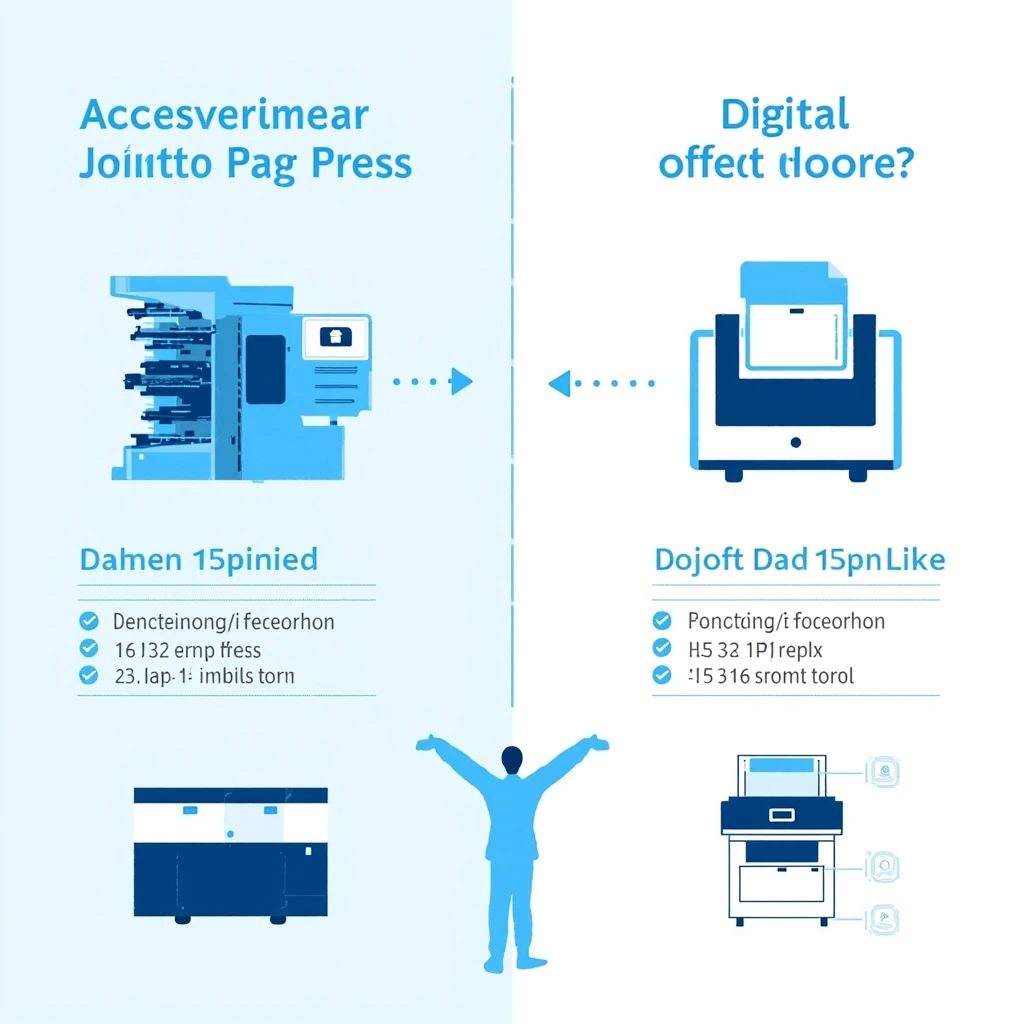
The offset printing process transfers ink through metal plates and rubber blankets
What Is Digital Printing?
Digital printing bypasses traditional plates entirely. In digital printing, the image is sent directly from a computer to the printer, which deposits toner (in electrophotographic printing) or ink (in inkjet printing) onto the substrate. Common digital printing technologies include laser printing and inkjet printing.
Digital printing has revolutionized the industry by enabling short-run jobs, quick changes, and personalized printing ??such as variable data printing where each piece carries unique information like a customer’s name or account number.
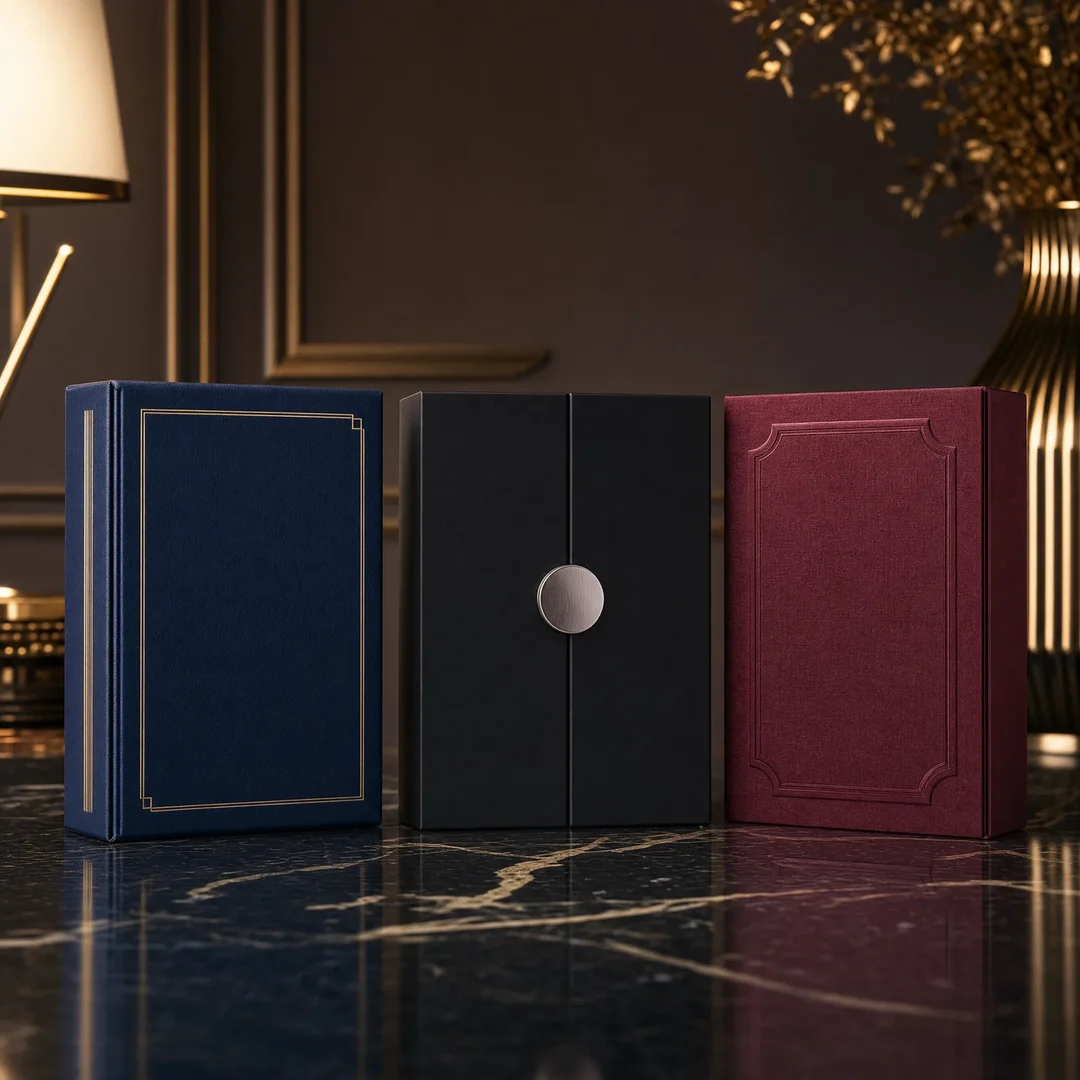
High-quality printed materials produced through modern printing methods
Key Differences Between Offset and Digital Printing
Cost
Offset printing operates on a fixed-cost model. The primary expense is in setup ??creating plates, configuring presses, and calibrating colors. Once the setup is complete, the per-unit cost drops significantly as volume increases. This makes offset printing highly cost-effective for large print runs (typically above 500-1,000 pieces depending on size and complexity).
Digital printing has minimal setup costs. Because there are no plates to produce, short runs carry very little overhead. However, the per-unit cost remains relatively constant regardless of quantity, making digital printing more economical for small to medium print runs (under 500 pieces).
Quality
Offset printing delivers exceptional image quality, particularly for fine text, detailed graphics, and consistent color reproduction across large runs. The use of premium inks ??including Pantone and custom spot colors ??ensures exact color matching, which is critical for brand consistency in corporate collateral and packaging.
Digital printing has improved dramatically and now meets or exceeds offset quality for most everyday applications. However, achieving the same level of color consistency and fine detail as offset over long runs can still be challenging, especially with certain specialty substrates or extremely fine text below 6pt.
Speed
Offset printing has a slower setup phase due to plate creation, press calibration, and color matching. However, once running, offset presses can produce thousands of impressions per hour, making them the preferred choice for very high-volume jobs where time-per-unit matters most.
Digital printing eliminates plate setup entirely, meaning jobs can begin almost immediately. For short runs, digital is often significantly faster end-to-end. The lack of drying time (especially with toner-based systems) further speeds up finishing and delivery.
Setup and Flexibility
Offset printing requires substantial pre-press setup: plate production, ink metering, and press calibration can take hours. Any change to the artwork after setup incurs additional cost and time. This makes offset ideal for stable, unchanging designs across large quantities.
Digital printing offers maximum flexibility. Files can be changed between copies or runs with no additional setup cost. This makes digital printing the clear choice for personalized campaigns, regionalized marketing materials, or projects where content needs to be updated frequently.
Volume
Offset printing is optimized for high-volume production. The economics heavily favor large runs where the initial setup cost is amortized across thousands of units. Printers running large offset presses can economically produce tens of thousands of identical pieces.
Digital printing is optimized for low to medium volume. There is no theoretical minimum run size, and the cost per unit does not increase significantly with smaller quantities. This makes digital ideal for on-demand printing, prototypes, and niche market materials.
Conclusion
Both offset and digital printing are essential tools in the modern commercial printing landscape. Offset printing remains the gold standard for large-volume jobs where cost efficiency, color accuracy, and consistency are paramount. Digital printing has democratized short-run and personalized printing, enabling businesses of all sizes to produce high-quality materials without minimum order quantities or significant setup investment.
The most successful printing strategies often combine both methods: using offset for high-volume core materials and digital for targeted campaigns, personalized direct mail, and rapid-response marketing. Understanding the strengths of each technology empowers you to make decisions that maximize value and minimize waste for every print project.