Introduction — Why Print Books in China?
If you are an independent author, a self-publisher, or a business looking to produce high-quality printed materials at scale, you have probably wondered whether printing overseas makes financial sense. Over the past two decades, China has established itself as the world’s leading hub for book manufacturing, handling everything from trade paperbacks for major publishing houses to bespoke limited-edition art books for independent creators. The industry has matured into a sophisticated ecosystem that serves publishers, brands, and creators across every continent.
The numbers tell a compelling story. The global book printing market was valued at $28.6 billion in 2025 and is projected to grow at a compound annual growth rate of 4.4% through 2034. China and India together account for the majority of educational book print volumes globally, and Chinese factories produce a staggering share of the world’s trade books, children’s books, and specialty printed products. For anyone researching overseas production options, understanding the scale of this industry is the first step toward recognizing the opportunity it represents.
But the real question is not whether China can print books — it is whether working with a Chinese printing partner makes financial and practical sense for your project. The short answer: for most print runs above 500 copies, the cost savings are dramatic. When you compare quotes from US offset printers to factory-direct pricing from a reputable Chinese manufacturer, you can expect to save between 30% and 60% on production costs. For a typical full-color hardcover with 200 pages, per-unit costs drop from $13–$14.50 (US printer) to as low as $3.50–$7.10 (China DDP, including shipping and duties) depending on quantity. This is why thousands of publishers choose to produce their books in China every year — the economics are simply too compelling to ignore.
In this guide, we will walk through every aspect of the process — from the types of books you can produce and the binding options available, to paper selection, quality control standards, shipping logistics, and how to select the right printing partner. Whether you are producing a cookbook, a children’s picture book, a textbook, or a photography monograph, this guide will give you the clarity you need to make informed decisions. By the end, you will understand exactly how the production workflow functions and whether it is the right move for your publishing goals.
Types of Book Printing Services Available in China
One of the greatest advantages of working with Chinese manufacturers is the sheer breadth of printing services available under one roof. Unlike many domestic printers that specialize in a narrow range of formats, a well-equipped Chinese factory can handle dozens of project types simultaneously. Below is an overview of the most popular categories that authors, publishers, and businesses regularly source from China.
Hardcover Book Printing
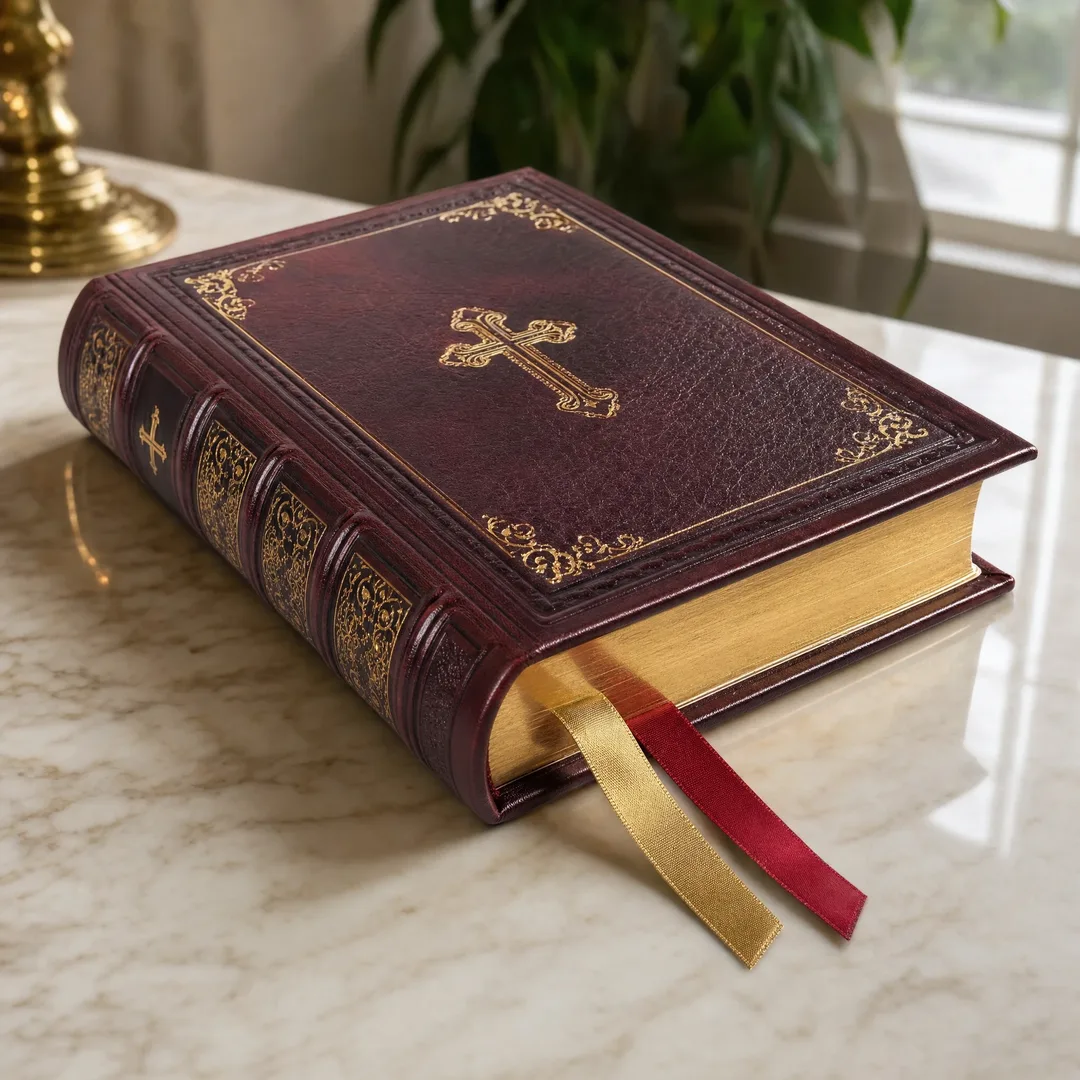
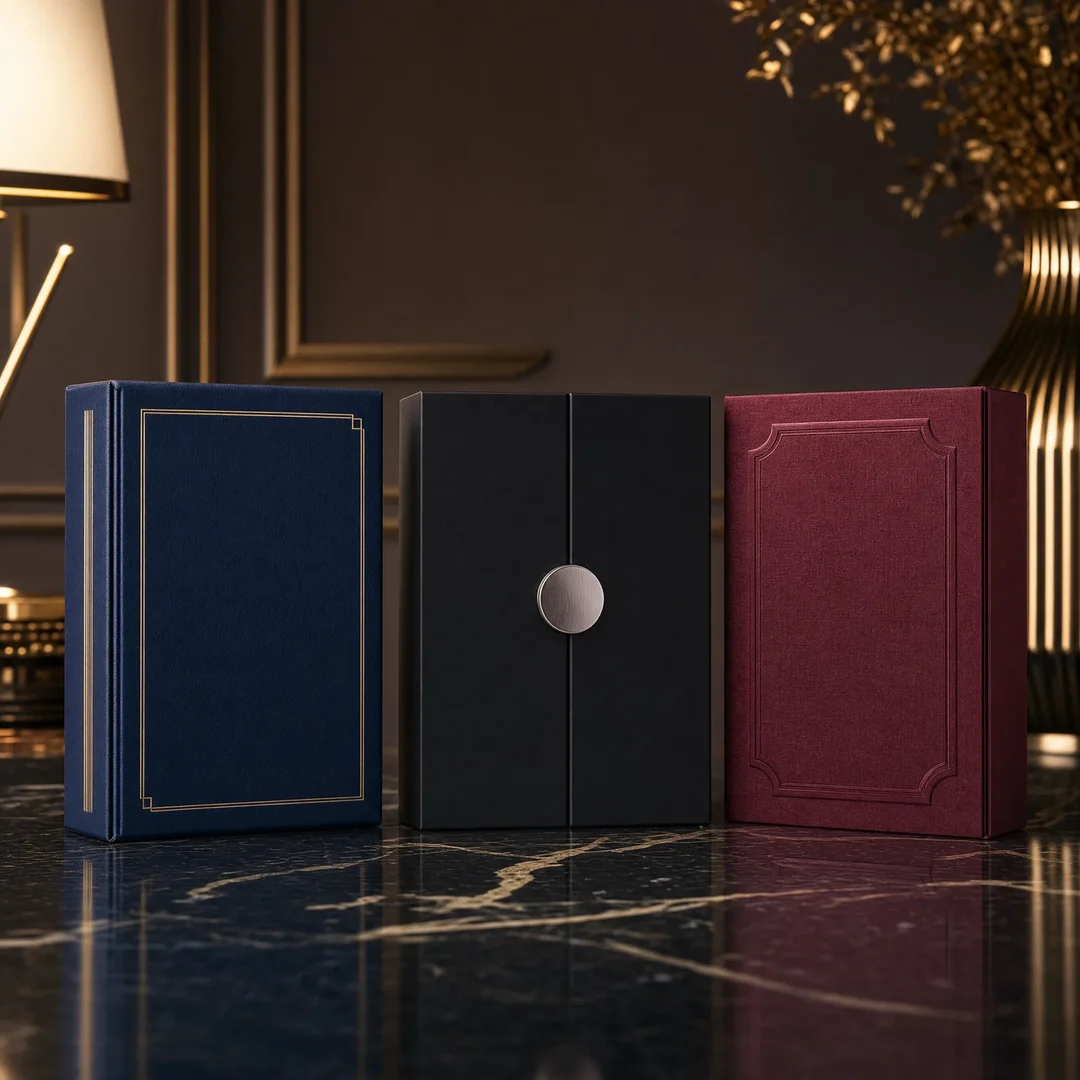
Hardcover production — also known as casebound book manufacturing — is one of the most sought-after services for premium publications. Hardcover books feature rigid boards wrapped in cloth, printed paper, or leather, and are ideal for projects that demand durability and a high-end feel. Common applications include coffee table books, art monographs, corporate annual reports, and premium fiction editions. Chinese factories offer extensive customization options, including dust jackets, foil stamping, embossing, debossing, and ribbon markers. For those looking for hardcover book printing services , the combination of craftsmanship and cost efficiency is difficult to beat.
Softcover Book Printing
Softcover production is the workhorse of the publishing world. Also known as paperback or perfect-bound books, softcover books use a flexible cardstock cover glued to the spine of the text block. They are lighter, more portable, and significantly more affordable to produce than hardcovers. This format dominates trade fiction, non-fiction, memoirs, and educational workbooks. Softcover books are also favored by self-publishers who want to maximize their per-unit profit margin. The most common trim sizes are 6×9 inches and 5.5×8.5 inches, though custom dimensions are widely available.
Custom Book Printing
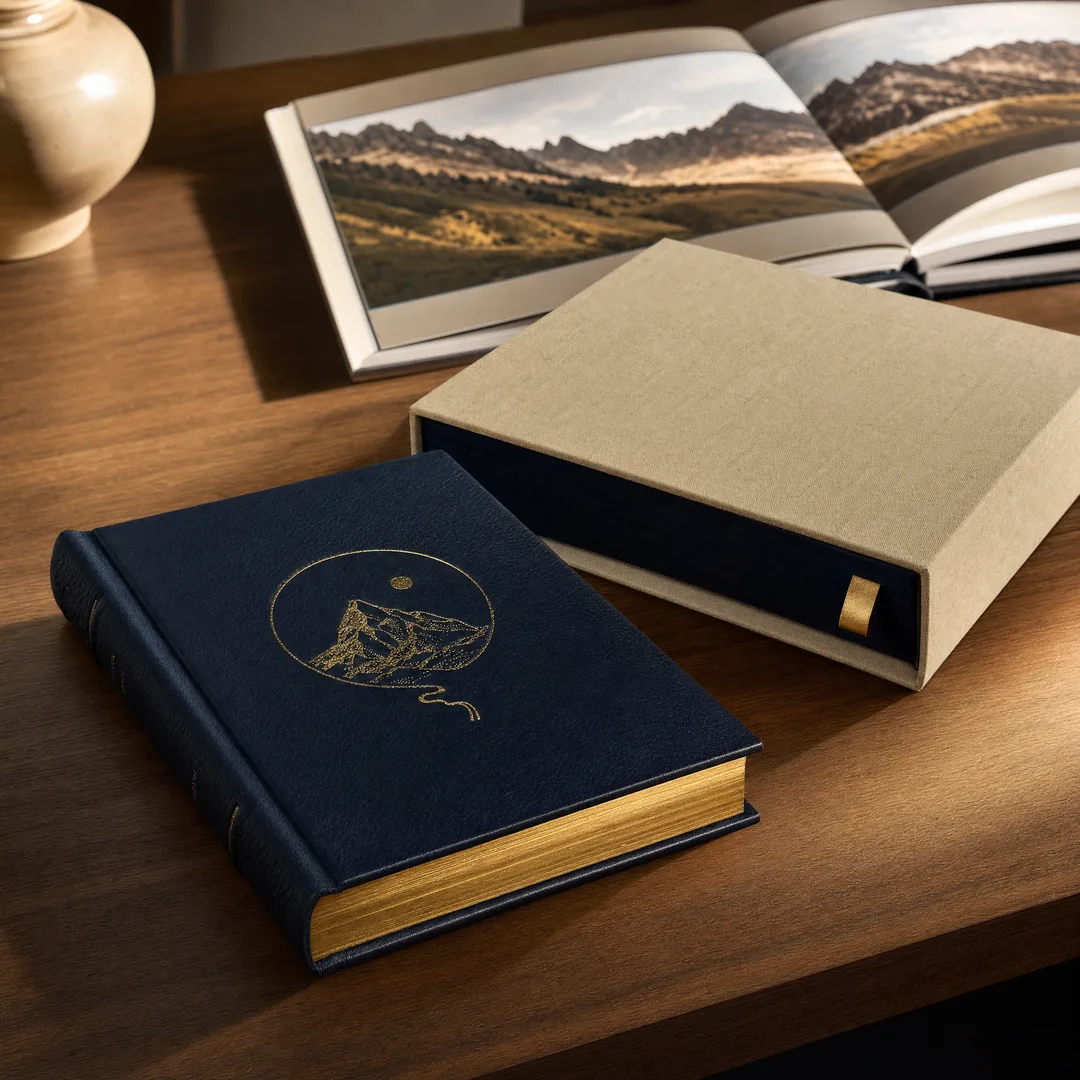
Custom projects go beyond standard formats into territory where creativity meets manufacturing capability. Do you need a die-cut cover? Lay-flat spiral binding? A belly band wrapped around a special edition? Chinese printers excel at custom work precisely because they have the skilled labor and specialized equipment that domestic printers often outsource or charge a premium for. From painted edges and gold foil accents to custom slipcases and unique page materials, the range of possibilities is vast. This level of personalization is especially valuable for crowdfunding campaigns, where backers expect exclusive, high-perceived-value products. Every year, thousands of indie creators turn to overseas manufacturing for custom projects that would be prohibitively expensive to produce domestically.
Children’s Book Printing
Children’s book production is a category unto itself. Board books require thick, laminated pages that can withstand toddler handling. Picture books demand vibrant, accurate color reproduction. Interactive titles may include lift-the-flap elements, pop-ups, touch-and-feel textures, and die-cut shapes — all labor-intensive processes that Chinese factories handle routinely at scale. Importantly, children’s books printed in China and imported into the United States are 100% exempt from Section 301 tariffs under HTS Code 4903, making this category particularly cost-effective.
Magazine, Catalog & Brochure Printing
Magazine and catalog production serves publishers, retailers, and brands that need large quantities of periodicals or product showcases. Magazines are typically saddle-stitched (for lower page counts) or perfect-bound (for 64+ pages), printed on glossy or matte coated paper, and finished with a clean trim. Brochures follow similar production methods but often involve smaller trim sizes, bi-fold or tri-fold layouts, and a heavier emphasis on marketing-oriented finishes like spot UV or soft-touch lamination. Chinese factories can run these jobs on high-speed web offset presses that keep per-unit costs remarkably low at scale.
Notebook, Journal & Specialty Printing
Notebook and journal production has surged in popularity alongside the stationery and lifestyle branding boom. From minimalist bullet journals to corporate-branded notebooks, Chinese manufacturers offer wire-o binding, case binding, thread sewing, and lay-flat techniques. Zine printing — the production of small-circulation, self-published mini-magazines — has also found a home in China, where short-run digital and offset options make it feasible to produce 50–200 copies at reasonable prices. Similarly, booklet production and newsletter printing cater to organizations that need regular, compact printed communications.
Photobook, Lookbook & Portfolio Printing
Photobook production is ideal for photographers, wedding studios, and artists who need gallery-quality image reproduction. Lay-flat binding, panoramic spreads, and premium photo paper stocks are standard options. Lookbook printing serves fashion brands and designers who need to showcase seasonal collections with impeccable color fidelity and tactile finishes. Portfolio printing is equally important for architects, interior designers, and creative professionals who rely on printed portfolios to win clients. All three categories benefit from the advanced color management systems and high-grade coated papers available through Chinese manufacturers.
Textbook Printing
Textbook production serves educational publishers worldwide. Textbooks present unique challenges: they often have high page counts, require durable bindings that withstand daily use, and must balance color pages (for diagrams and illustrations) with black-and-white pages (for text-heavy sections) to control costs. Chinese factories have extensive experience producing textbooks in quantities from 1,000 to 100,000+ copies, with binding options ranging from perfect binding and saddle stitching to spiral and wire-o for workbooks.
Book Binding Options
Binding is not just a structural necessity — it is a design decision that affects how your book feels in the reader’s hands, how long it lasts, and how much it costs to produce. When you work with a full-service Chinese printing partner, you gain access to virtually every binding method available in modern manufacturing. Understanding the trade-offs between each option will help you make the right choice for your project.
Perfect Binding (Softcover)
Perfect binding is the dominant method for softcover books. Individual pages are gathered into a block, the spine edge is roughened (milled), and a strong polyurethane adhesive (PUR glue) bonds the pages to a flexible cover. While traditional perfect binding could crack over time, modern PUR adhesive creates a bond that is nearly as durable as sewn binding at a fraction of the cost. Perfect binding works well for page counts from approximately 40 to 800 pages. It is the standard choice for trade paperbacks, novels, memoirs, and cookbooks where cost efficiency matters.
Smyth Sewn Binding (Hardcover & Premium Softcover)
Smyth sewing involves stitching folded signatures (groups of pages) together with thread before attaching the cover. This method produces the most durable binding available — the book can open flat without cracking the spine, making it ideal for cookbooks, textbooks, and reference works that readers need to use hands-free. Smyth-sewn hardcovers are the gold standard for premium publications and archival-quality books. Many Chinese factories offer Smyth sewing as a standard option for hardcover projects, and it is also available as an upgrade for softcover books that need extra durability.
Saddle Stitching
Saddle stitching uses wire staples through the center fold of a publication. It is the simplest, most affordable binding method and works best for page counts between 8 and 64. Booklets, brochures, newsletters, and zines commonly use saddle stitching. The main limitation is that the publication cannot have a printed spine, which makes it less suitable for retail bookstore display. However, for event programs, product catalogs, and marketing collateral, saddle stitching offers excellent value.
Wire-O & Spiral Binding
Wire-O (twin-loop wire) and spiral (plastic coil) binding both allow books to open a full 360 degrees and lay completely flat. This makes them the preferred choice for notebooks, journals, planners, cookbooks, and instructional manuals. Wire-O has a more polished, professional appearance and is available in a range of metallic finishes. Spiral coil is slightly more flexible and can accommodate higher page counts. Both methods require punching holes along the binding edge before inserting the binding element.
Board Book Binding
Board book binding is specific to children’s book production. Each page is a thick (typically 300–400 gsm) laminated board that resists tearing, chewing, and bending. Pages are glued together with a specialized adhesive and often feature rounded corners for safety. Board books represent some of the most technically demanding print work, and the expertise available in China for this category is unmatched — the manual dexterity required for assembly, lamination, and quality inspection makes skilled labor a critical factor in production.
Case Binding (Hardcover)
Case binding is the standard method for hardcover books. The printed text block is attached to a rigid case made of binder’s board covered in cloth, printed paper, or leather. Endpapers (decorative sheets glued to the inside covers) provide a visual and structural transition between the case and the book block. The case itself can be further customized with foil stamping on the spine and front cover, embossed or debossed designs, and dust jackets with flaps. Case binding combined with Smyth sewing produces a book that can last generations.
Paper, Finishing & Customization
The tactile experience of a printed book — how the pages feel, how the cover catches the light, how the binding opens — is shaped primarily by your choices in paper and finishing. When you work with a Chinese manufacturer, the range of available materials and finishing techniques is extensive, and understanding your options puts you in control of both quality and budget. The material supply chain gives you access to paper grades, cover stocks, and specialty finishes that can elevate your project from ordinary to exceptional.
Paper Selection
Paper is categorized by weight (gsm — grams per square meter), coating, and opacity. The most common interior paper choices for book production include:
Uncoated paper (80–120 gsm) — Ideal for novels, memoirs, and text-heavy books. The natural, non-reflective surface reduces eye strain during long reading sessions. It also works well for write-in workbooks and journals.
Coated matte art paper (128–200 gsm) — The standard for full-color books, including photography books, lookbooks, and product catalogs. Matte coating reduces glare while preserving color vibrancy and sharpness.
Coated gloss art paper (128–200 gsm) — Delivers maximum color saturation and contrast. Best for magazines, creative portfolios, and high-impact visual books where image quality is paramount.
Specialty papers — Options include textured paper (linen, felt, laid), colored paper, kraft paper, and translucent vellum. These are often used for endpapers, section dividers, or creative projects that demand a distinctive look and feel.
Cover stock is typically heavier than interior paper. For softcover books, 250–350 gsm coated cardstock with lamination is standard. For hardcover cases, materials range from 157 gsm coated paper (wrapped over board) to cloth, leatherette, and genuine leather.
Lamination & Coating
Lamination is the most common protective finish for book covers. Matte lamination produces a smooth, non-reflective surface with a velvety touch — the go-to choice for literary fiction and professional publications. Gloss lamination enhances color contrast and creates a shiny, eye-catching finish preferred for children’s books, photography books, and marketing materials. Soft-touch lamination is a premium option that gives covers a suede-like texture, adding perceived value for special editions and high-end catalogs.
Beyond lamination, spot UV applies a glossy coating to select areas of a matte cover, creating contrast between the two finishes. This technique is widely used in custom projects to highlight title text, logos, or design elements.
Foil Stamping, Embossing & Debossing
Foil stamping applies a thin metallic or pigmented foil to the cover using heat and pressure. Gold, silver, copper, and holographic foils are the most common, and they can be applied to cloth, leatherette, and coated paper covers. Embossing raises a design above the cover surface, while debossing presses it below. Both techniques add a dimensional, tactile quality that signals premium craftsmanship. These finishes are especially popular for Bibles, special edition novels, and corporate gift books.
Edge Finishing
Edge finishing transforms the three exposed sides of a book block from plain paper into a design feature. Options include gilded (gold) edges, silver edges, painted edges (solid color), and sprayed edges (gradient or patterned). Painted edges have become a signature trend in special edition publishing, particularly for fantasy and young adult fiction markets. The process requires specialized equipment and skilled operators, which is another area where Chinese factories hold a competitive advantage.
The Book Printing Process in China
Understanding the end-to-end production workflow removes uncertainty and helps you plan your publishing timeline accurately. While each factory may have slight variations in workflow, the core steps are standardized across the industry. Here is what you can expect from initial inquiry to final delivery.
Step 1 — Request a Quote
You provide the printer with your book specifications: trim size, page count, binding type, paper stock, color requirements (full-color interior vs. black-and-white), quantity, and any special finishes. Most professional Chinese printing companies will respond with a detailed quotation within 12–24 hours. The quote should clearly break down unit costs at different quantity tiers, as well as shipping options and estimated timelines. Always ask for DDP (Delivered Duty Paid) terms if you want a single all-in price that includes freight, customs clearance, and duties.
Step 2 — File Preparation & Prepress
Once you place your order, the printer’s prepress team reviews your files. They check for correct bleed (typically 3 mm), safe margins, image resolution (minimum 300 dpi), color mode (CMYK for offset printing), and font embedding. Many Chinese printers provide free design templates based on your exact specifications, which dramatically reduces the risk of file rejection. This is also the stage where you choose Pantone colors if your project requires precise brand color matching beyond standard CMYK.
Step 3 — Proofing
Proofing is the most critical quality gate in the entire process. There are typically two proof options:
Digital proof (e-proof) — A PDF or digital file that shows layout, pagination, and approximate color. Fast and free or low-cost, but does not represent final print quality.
Physical hardcopy proof — A single copy of your book printed and bound to the exact specifications of the final run. This is the only way to verify color accuracy, paper feel, binding tightness, and overall craftsmanship. Hard proofs usually cost $50–$150 plus shipping (often refundable against the full order). For any project where color accuracy matters — photography books, lookbooks, art books — a hard proof is strongly recommended. Note that hard proofs are typically printed on digital presses, so there may be minor color variation compared to the final offset run.
Step 4 — Mass Production
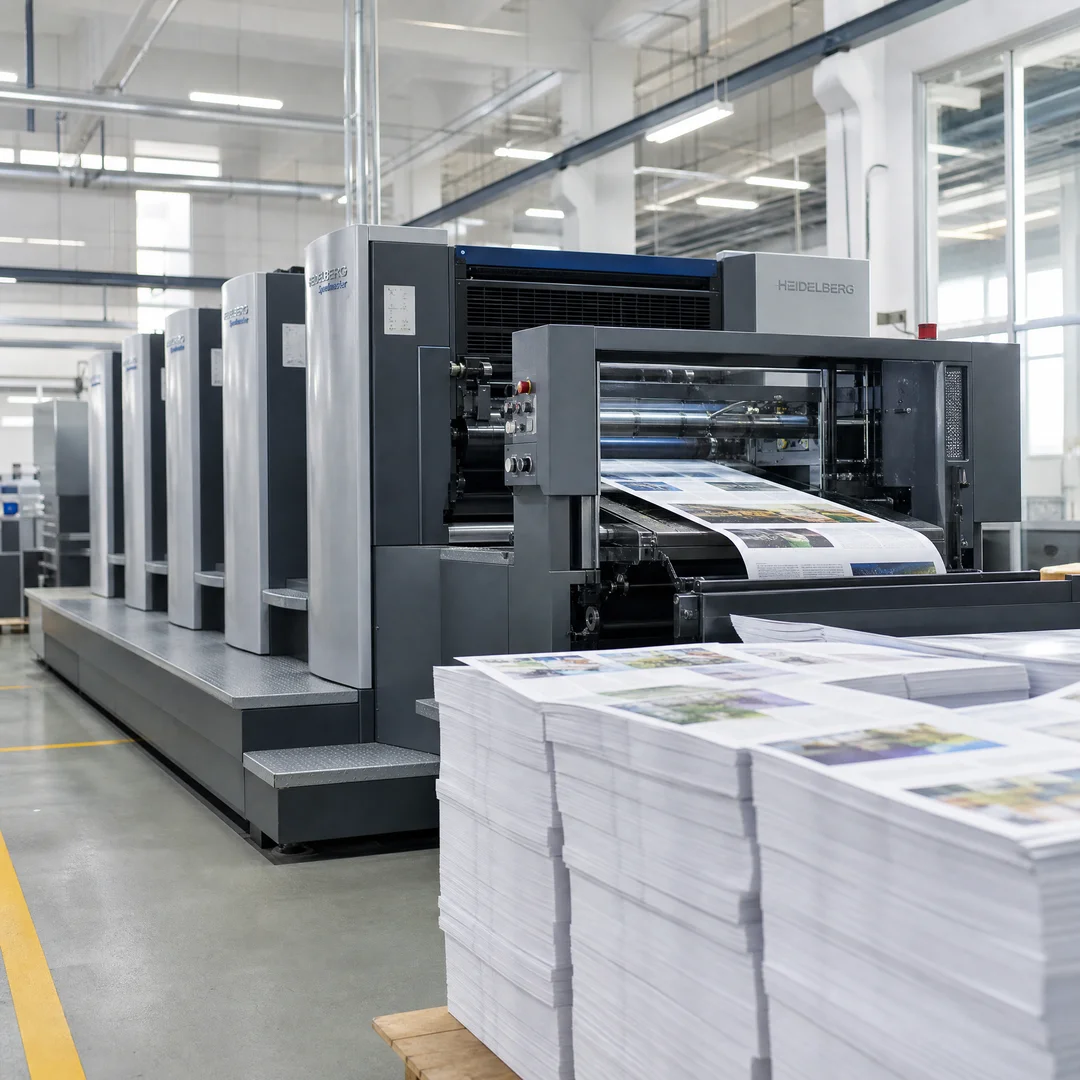
After you approve the proof, mass production begins. Most Chinese factories run Heidelberg, Komori, or Manroland sheet-fed offset presses for book work, supported by automated folding, gathering, sewing, and binding lines. Production lead time typically ranges from 2–4 weeks depending on quantity, binding complexity, and the factory’s current workload. During production, a good printing partner will send you photo and video updates so you can see your books coming off the line.
Step 5 — Quality Inspection & Packing
Before packing, the finished books go through a multi-point inspection based on AQL (Acceptable Quality Level) standards, typically AQL 2.5/4.0. This means the factory inspects a statistically significant sample of the print run and rejects any batch that exceeds the acceptable defect threshold. Books are then packed in cartons with moisture protection, and palletized for shipping. Most factories plan for a 1–2% production over-run to compensate for any minor defects, so you may receive slightly more books than ordered at no extra charge.
Step 6 — Shipping & Delivery
The final step is logistics. Your books travel from the factory to the port (or airport), across the ocean, through customs, and to your delivery address. The entire process from proof approval to doorstep delivery typically takes 6–10 weeks by sea freight or 2–3 weeks by air freight. We will cover shipping in greater detail in a dedicated section below.
Cost Factors & Pricing Guide
Cost is the primary motivation for most people who choose to produce their books overseas. But price is not a single number — it is shaped by a constellation of variables. Understanding what drives cost will help you make trade-offs that optimize both quality and budget.
Quantity — The Biggest Cost Lever
The single largest factor in per-unit cost is print run size. Offset printing has high setup costs (plate making, press setup, binding line configuration) but very low incremental costs. This means per-unit costs drop sharply as quantity increases. For comparison, a full-color 200-page hardcover book might cost:
500 copies: ~$4.30–$7.10 per unit (DDP to US)
1,000 copies: ~$2.81–$5.05 per unit (DDP to US)
2,000 copies: ~$2.15–$4.34 per unit (DDP to US)
3,000 copies: ~$1.95–$3.50 per unit (DDP to US)
This is why most Chinese printing companies set minimum order quantities (MOQs) at 500–1,000 copies for offset printing. The economics simply do not work below those volumes — at which point print-on-demand (POD) services in your home market may be a better fit.
Binding Type
Saddle stitching is the cheapest binding method, followed by perfect binding. Smyth sewing adds approximately $0.30–$0.80 per unit depending on page count. Case binding (for hardcovers) adds $1.00–$3.00 per unit compared to perfect binding, depending on cover material and finishing options. Wire-O and spiral binding are moderately priced but become more expensive at very high page counts due to the manual or semi-automated insertion process.
Paper Choice
Paper costs scale with weight and coating. A 200-page book printed on 100 gsm uncoated paper might use 30% less paper (by weight) than the same book on 157 gsm coated art paper. This affects not only material costs but also shipping weight. Coated papers are more expensive than uncoated papers, and specialty papers command additional premiums. For cost-sensitive projects like textbooks, using a lighter uncoated stock for text pages and reserving coated paper for color sections is a common strategy.
Color vs. Black-and-White
Black-and-white interior pages are significantly cheaper to print than full-color pages. Many projects — particularly nonfiction, memoirs, and novels — can benefit from mixing the two: print the main content in black-and-white and include a color insert section for photographs or illustrations. This approach is widely used in cookbooks and magazines to balance visual quality with production cost.
Finishing & Special Options
Each finishing option adds cost. Foil stamping typically adds $0.15–$0.40 per book. Embossing or debossing adds $0.20–$0.50. Edge painting or gilding adds $0.30–$1.00. Custom slipcases, belly bands, and ribbon markers each carry their own production and assembly costs. The good news: these surcharges are almost always lower when produced in China compared to domestic alternatives, because the specialized labor and equipment are already integrated into the factory workflow rather than outsourced.
Tariffs and Duties
As of 2026, most printed books imported into the United States from China are exempt from the broad 30% baseline tariff on Chinese goods. A 7.5% Section 301 tariff applies to certain categories, including novels, cookbooks, travel guides, art books, and comic books. Children’s books (board books, picture books, early readers under HTS Code 4903) are 100% exempt from all tariffs. Always confirm the current tariff status at the time of your order, and work with a printer that offers DDP terms so duties are included in your quoted price.
Quality Control & Standards
Quality control is the concern that keeps first-time buyers awake at night. The fear is understandable: you are thousands of miles away, you cannot walk the factory floor, and every horror story you have read about overseas manufacturing plays on a loop in your mind. The reality is that professional Chinese book manufacturers operate under rigorous quality systems, and the best factories are audited to international standards. Here is what you should know and look for.
Industry Certifications
Reputable printing companies hold multiple third-party certifications. The most important ones to look for include:
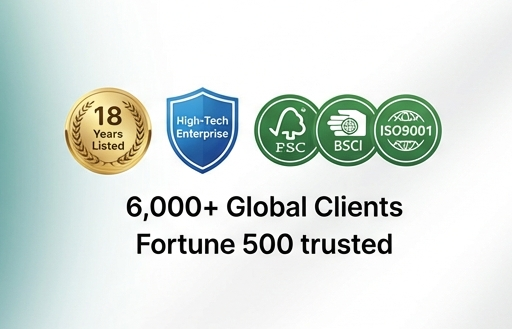
ISO 9001 — Quality management system certification. Indicates the factory follows documented, audited processes for quality assurance.FSC (Forest Stewardship Council) — Chain-of-custody certification for paper sourced from responsibly managed forests. Essential if your brand has environmental commitments.BSCI (Business Social Compliance Initiative) — Social compliance audit covering working conditions, labor rights, and workplace safety.ISO 12647 — Process control standard specific to print production, covering color management and consistency.
AQL Inspection Standards
The Acceptable Quality Level (AQL) system is the international standard for product inspection. For book printing, AQL 2.5/4.0 is the common benchmark. This means the factory samples a statistically determined number of books from the production lot and inspects each sampled book for defects. If the number of defective units exceeds the AQL threshold, the entire lot is rejected or subject to 100% inspection and rework. AQL 2.5 covers major defects (binding failures, misprints, color deviation), while AQL 4.0 covers minor defects (slight scuffs, minor trim variance).
Production Monitoring
Good communication during production is a hallmark of a professional operation. You should expect:
Pre-production sample photos or videos showing the first sheets off the press
In-production updates via WeChat, WhatsApp, or email
Photos of finished books before packing
A final video walkthrough of your packed shipment
Many Chinese printers also welcome third-party inspection services. If your order is large ($10,000+), hiring an independent inspection company (such as SGS, Bureau Veritas, or AsiaInspection) to perform a pre-shipment inspection can provide an additional layer of assurance at a cost of roughly $300–$500 per inspection day.
Common Defects & Prevention
The most common defects in offset book printing — color drift, trim misalignment, binding glue failure, and cover scuffing — are almost always preventable with proper process controls. Color drift is managed through closed-loop spectrophotometer systems on modern Heidelberg and Komori presses. Trim misalignment is prevented by automated three-knife trimmers that maintain accuracy to ±0.5 mm. PUR glue binding is tested with pull-strength and flex tests at predetermined intervals. The key takeaway: quality problems are rare at certified factories, and when they do occur, professional printers have clear procedures for identifying, quarantining, and replacing defective units.
Shipping & Logistics from China
Shipping is the final — and for many, the most intimidating — piece of the puzzle. In practice, with a reliable partner, the logistics process is straightforward. Most established Chinese printing companies manage shipping as a core service rather than an afterthought. Here is a breakdown of your shipping options and what to expect at each stage.
Sea Freight
Sea freight is the most economical option and the default choice for the majority of book printing orders. Transit time from major Chinese ports (Shenzhen, Shanghai, Ningbo) to US West Coast ports (Los Angeles, Long Beach) is approximately 15–25 days. To US East Coast ports (New York, Savannah) add 10–15 days for the Panama Canal transit. From port arrival, allow 5–10 days for customs clearance, port handling, and final delivery to your address. Total door-to-door time: 30–45 days. Sea freight cost for a standard 20-foot container (approximately 15,000–25,000 average-sized books) is roughly $1,500–$3,500 depending on destination and fuel surcharges.
Air Freight
Air freight is significantly faster but more expensive. Transit time is 5–10 days door-to-door. Costs are calculated by chargeable weight (actual weight or volumetric weight, whichever is greater). For books, volumetric weight often exceeds actual weight because books are dense. Air freight typically costs 4–6 times more than sea freight per kilogram. This option is best suited for small quantities (under 500 copies), urgent reprints, or the “express” portion of a split shipment.
The 80/20 Split Strategy
Many experienced publishers use a hybrid approach: ship 80% of the print run by sea (cost-effective bulk delivery) and 20% by air (fast delivery for launch events, early reviewer copies, and initial sales fulfillment). This gives you inventory for immediate needs while the bulk shipment is in transit, and the combined logistics cost is far lower than air-freighting the entire run.
DDP (Delivered Duty Paid) Terms
DDP is the most buyer-friendly shipping term. The printer quotes a single price that includes the cost of goods, ocean or air freight, insurance, customs brokerage, import duties, and final delivery to your specified address. You receive your books at your door with no surprise bills. When evaluating quotes from different suppliers, always compare DDP prices — an EXW (Ex Works) quote that looks cheaper on paper can become more expensive after freight, customs, and duties are added.
Customs Clearance
Customs clearance involves submitting a commercial invoice, packing list, bill of lading (for sea freight) or airway bill (for air freight), and any required certificates to the destination country’s customs authority. For books, clearance is generally smooth because printed materials are not subject to the complex regulations that apply to food, electronics, or textiles. Most shipments clear customs within 1–3 business days. Working with a printer that offers DDP terms means their freight forwarder handles all customs paperwork on your behalf.
How to Choose a Book Printing Partner in China
Selecting the right manufacturing partner is the single most important decision you will make in the production process. A good partner saves you money, delivers on time, and produces books you are proud to put your name on. A bad partner creates delays, quality issues, and stress. With hundreds of Chinese printing suppliers competing for international business, knowing how to separate the professionals from the pretenders is essential. Here is a framework for evaluating and selecting a printing partner.
Experience & Track Record
Look for a factory with at least 10 years of experience in book printing specifically — not general commercial printing. Ask how many book titles they produce annually and whether they have experience with your specific category. A factory that prints 5,000 different titles a year has the depth of experience to handle edge cases without learning on your dime. Companies like EcoPrinting , with 18 years in the industry, FSC and ISO 9001 certifications, and a customer base of over 6,000 clients including Fortune 500 companies, represent the kind of established, professionally managed operation you should look for.
Communication & Responsiveness
Evaluate communication quality before you place an order. Does the sales representative respond within 24 hours? Do they answer your specific questions or send generic replies? Is their English clear and professional? Do they proactively offer suggestions based on their experience, or do they simply quote whatever specifications you provide? A good account manager acts as a consultant, not just an order-taker. During production, you should expect regular updates. Professional book printing services with dedicated project management will keep you informed at every stage.
Certifications & Factory Audits
Request copies of the factory’s certifications (ISO 9001, FSC, BSCI) and verify they are current. Ask if they welcome third-party audits or client visits. A factory that is transparent about its operations and willing to be audited is far more likely to maintain consistent quality standards than one that is secretive or evasive.
Sample Evaluation
Always request a sample pack before committing to a large order. A good sample pack should include previously printed books (not just paper swatches), examples of different binding types, finish samples (foil, embossing, lamination), and paper swatches. Physically handling the samples lets you assess print quality, binding durability, and material options in a way that digital images cannot convey. If possible, order a hardcopy proof of your specific project before the full production run.
References & Reviews
Ask for references from clients who have completed projects similar to yours — similar book type, similar quantity, similar destination country. Reach out to those references and ask about their experience: Did the books arrive on time? Was the quality consistent with the proof? Were there any hidden costs? How did the printer handle problems if any arose? Independent reviews on platforms like Trustpilot, Google Reviews, and industry forums can also provide unfiltered insight.
Pricing Transparency
A trustworthy printing partner provides clear, itemized quotes that break down unit costs, setup charges, shipping costs, and duties. They should be upfront about what is included and what is not. Be wary of quotes that seem too good to be true — they often exclude shipping, duties, or essential quality steps. If a factory is reluctant to provide detailed pricing or insists on vague estimates, that is a red flag.
FAQ
How much can I save by printing books in China?
Most clients save 30–60% compared to US offset printing, even after accounting for shipping and duties. The exact savings depend on quantity, binding type, and paper specifications. For a standard full-color hardcover, per-unit DDP costs from China are typically $3.50–$7.10 versus $9.00–$14.50 from US printers.
What is the minimum order quantity?
Most offset printers require a minimum of 500–1,000 copies for hardcover books and 1,000–2,000 for softcover books. Below these quantities, print-on-demand services in your home market are usually more economical. Some Chinese printers accept smaller quantities (100–300) using digital presses, but the per-unit savings over domestic POD are modest.
How long does the entire process take?
Production typically takes 2–4 weeks after proof approval. Sea freight adds 30–45 days, while air freight adds 5–10 days. Total timeline from file submission to delivery: approximately 6–10 weeks by sea, or 2–3 weeks by air. Build in buffer time for proofing (1–2 weeks) and potential customs delays.
Will my books be subject to US tariffs?
Most printed books are exempt from the 30% baseline tariff on Chinese goods. A 7.5% Section 301 tariff applies to certain categories (novels, cookbooks, art books, comic books). Children’s books are 100% tariff-exempt. Always confirm current rates with your printer and customs broker at the time of ordering.
Can I get a physical sample before placing a large order?
Yes. Most professional Chinese printers offer sample packs of previously printed work and can produce a hardcopy proof of your specific project. Hard proofs typically cost $50–$150 plus shipping. This is strongly recommended for any project where color accuracy or material feel is important.
How do I ensure consistent print quality?
Work with ISO 9001-certified factories that use AQL-based inspection standards. Request a hardcopy proof and approve it before mass production begins. For orders above $10,000, consider hiring a third-party inspection service for a pre-shipment inspection. Reputable manufacturers will also provide production photos and final inspection videos before shipping.
What types of books can I print in China?
Chinese factories handle virtually every book type: hardcover and softcover trade books, children’s board books and picture books, cookbooks, textbooks, magazines, catalogs, notebooks, journals, photography books, lookbooks, creative portfolios, zines, booklets, brochures, and newsletters. If it is printed on paper and bound, a Chinese factory can produce it.
How are my books packaged and protected during shipping?
Books are packed in sturdy corrugated cartons with moisture-resistant wrapping. Cartons are palletized with corner protection and stretch-wrapped for stability during transit. For sea freight, desiccant packs are added to cartons to absorb moisture during the ocean journey. Experienced printers use packaging specifications that meet ISTA (International Safe Transit Association) standards.
Conclusion
Choosing to produce your books in China is a strategic decision that can transform the economics of your publishing project. The cost savings — typically 30–60% compared to domestic offset printing — are real and significant, even after accounting for international shipping and duties. But beyond cost, working with a Chinese manufacturer gives you access to a breadth of binding options, finishing techniques, and material choices that are difficult or prohibitively expensive to source domestically.
The key to a successful experience is selecting the right partner. Work with an established company that offers ISO-certified quality management, FSC-certified materials, transparent DDP pricing, and responsive English-language communication. The best partners treat your project as a collaboration, not a transaction. Request samples, evaluate communication quality, check references, and invest in a physical proof before committing to a full production run.
At EcoPrinting , we bring 18 years of book manufacturing expertise, three production bases across China, and a track record of serving over 6,000 clients worldwide. Whether you are printing 500 copies of a debut novel or 50,000 copies of a corporate catalog, our team is ready to guide you through every step — from file preparation to doorstep delivery.
Request a free quote today and discover how much you can save on your next book printing project.