When you source calendar and stationery printing in China , you tap into one of the world’s most capable printing supply chains. Whether you need a short run of custom planners for a corporate event or a bulk order of invoice books for a retail chain, Chinese manufacturers offer a rare combination of production flexibility, material variety, and competitive pricing. This guide walks you through nine printing categories — starting with a quick overview of calendar options and then diving deep into eight stationery segments that deserve your attention.
The stationery printing landscape in China is remarkably diverse. You can find factories specializing in everything from simple notepads to security-printed scratch-off books, all under one sourcing umbrella. Understanding what each category offers — from paper stocks and binding types to minimum order quantities — helps you make smarter procurement decisions and avoid costly misunderstandings down the line.
Calendar Printing: A Quick Overview
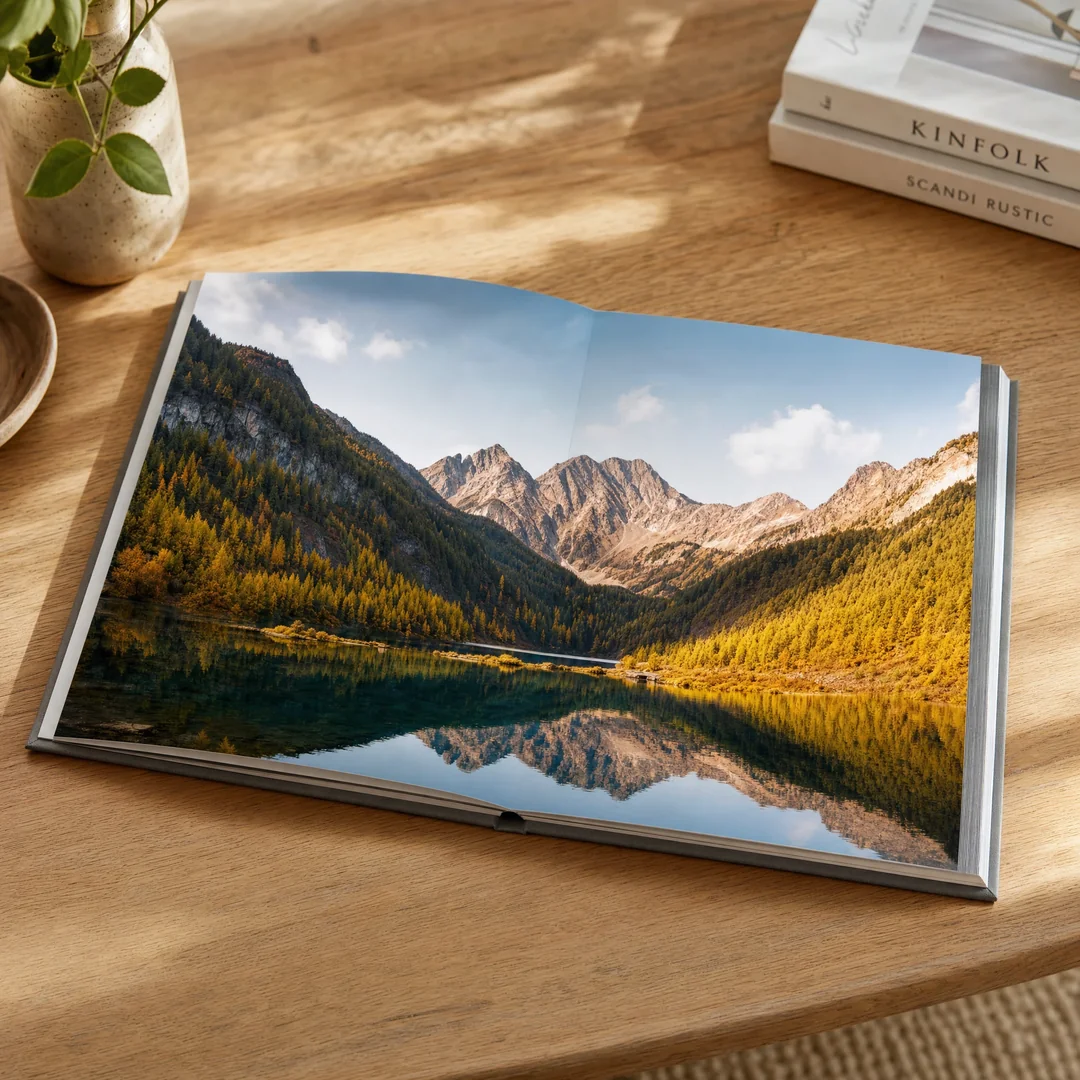
Calendar printing remains one of the most popular categories in China’s print export market. Common formats include wall calendars with wire-o or spiral binding, desk calendars with easel stands, 365-day tear-off calendars on thin offset paper, and promotional tent calendars for corporate gifting. Most manufacturers offer full-color CMYK printing on coated or uncoated paper, with optional finishes such as gloss lamination, spot UV, or foil stamping on the cover.
Paper choices depend on the calendar type. Wall calendars often use 157–200 gsm coated art paper for vibrant image reproduction, while desk calendars benefit from 250–300 gsm card stock for stability. Tear-off formats run on lightweight 60–80 gsm offset paper to keep the calendar compact despite hundreds of sheets. Finishing options like gloss or matte lamination protect the cover, and wire-o binding with a hanging hook is standard for wall-mounted formats.
If you need detailed specifications on turnaround times, pricing structures, and additional format options, visit our dedicated calendar printing page. It covers wall calendars, desk calendars, and custom promotional formats with MOQs starting as low as 500 copies.
Custom Planner Printing
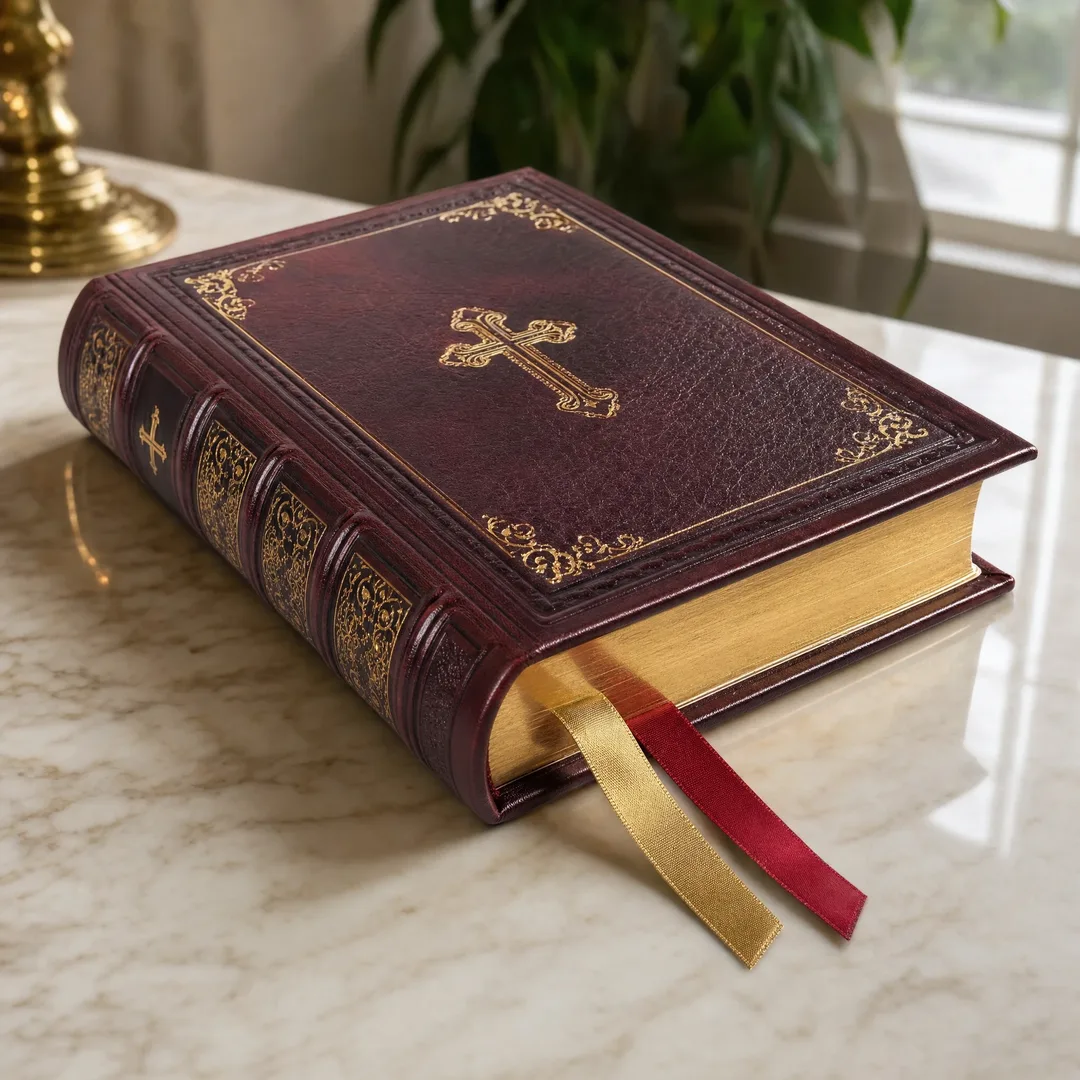
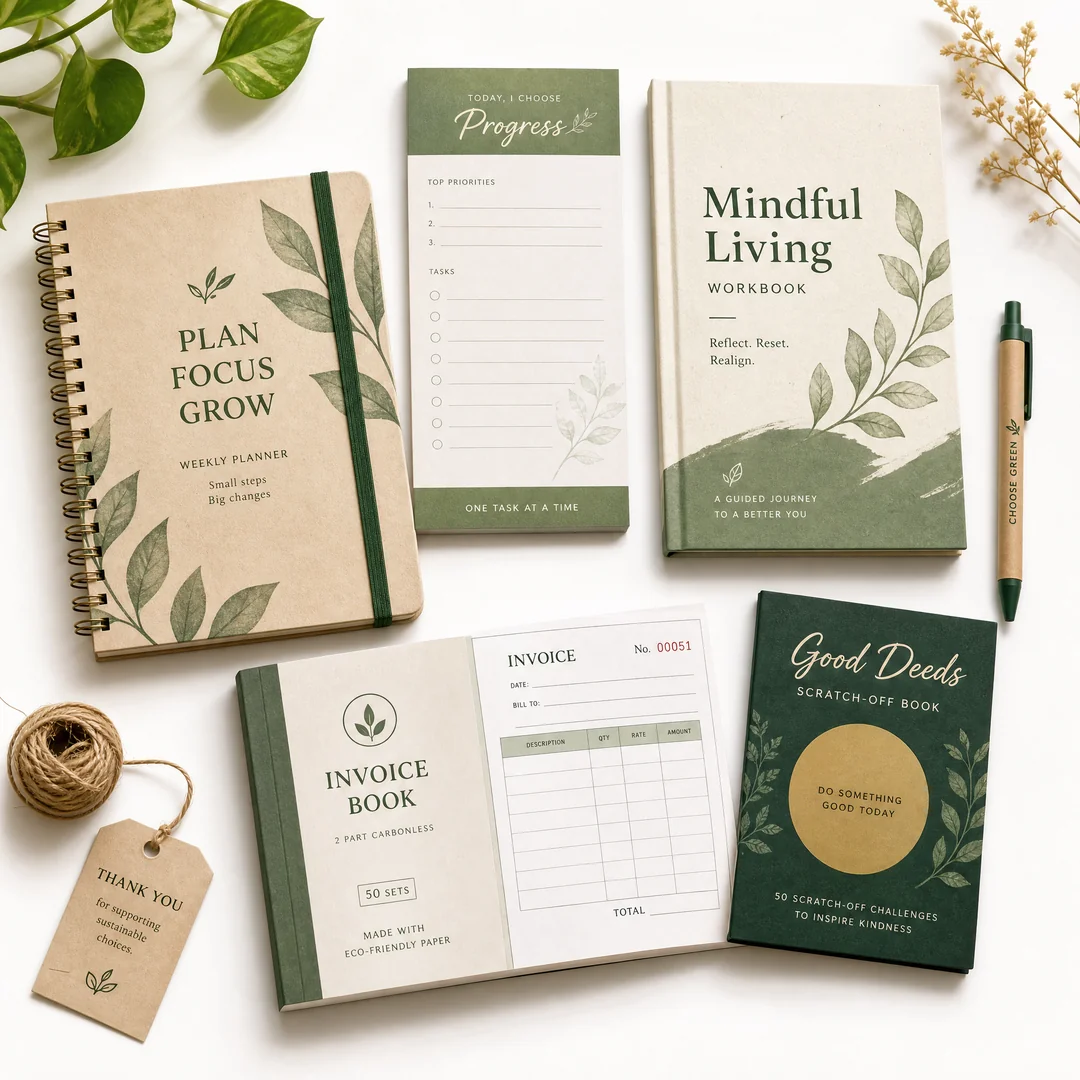
Planners are among the most frequently ordered stationery items from China, and for good reason. The category covers everything from daily planners and weekly organizers to goal-setting journals and fitness trackers. Size options follow standard stationery formats — A5 (148 × 210 mm) is the most popular, followed by A6 (105 × 148 mm) for pocket planners and B6 (125 × 176 mm) as a comfortable middle ground. Cover materials range from PU leather and hardcover board to softcover card stock, often finished with foil stamping, embossing, or spot UV for brand visibility.
Binding choices are equally flexible. Wire-o binding is favored for its lay-flat capability — essential for a product meant to be written in. Spiral binding offers a similar feel at a lower cost, while perfect binding gives a clean, book-like spine for premium planners. Most factories accept custom interior page layouts, including yearly overviews, monthly spreads, weekly grids, and note sections. Typical MOQs start at 500 copies , with per-unit costs decreasing significantly as volume increases.
Custom Notepad Printing
Notepads might seem straightforward, but the range of options available through Chinese manufacturers is surprisingly broad. Standard sizes include A4 (210 × 297 mm) , A5 (148 × 210 mm) , and A6 (105 × 148 mm) , though custom dimensions are widely supported. Page counts typically range from 25 to 100 sheets per pad, with paper weights of 70 gsm , 80 gsm , or 100 gsm offset or woodfree paper — 80 gsm being the sweet spot for everyday writing without bleed-through.
Binding and finishing define how a notepad behaves in daily use. Glue-bound (padding) is the most common and cost-effective option, using a flexible adhesive along the top edge so sheets tear off cleanly. Sewn binding adds durability for notebooks that need to stay intact, while drilled holes with tear-off perforation work well for desk pads and memo blocks. Custom printing extends across the full cover and every interior sheet, with MOQs as low as 300–500 pads per design .
Custom Workbook Printing
Workbooks serve a specific purpose — guiding users through exercises, reflections, or structured learning — and the printing requirements reflect that. Common sizes are A4 (210 × 297 mm) for educational workbooks and A5 (148 × 210 mm) for compact training booklets. Interior page designs can be fully customized: ruled lines for handwriting practice, grid patterns for math or design exercises, blank pages for creative sketching, or mixed layouts that combine all three within a single volume.
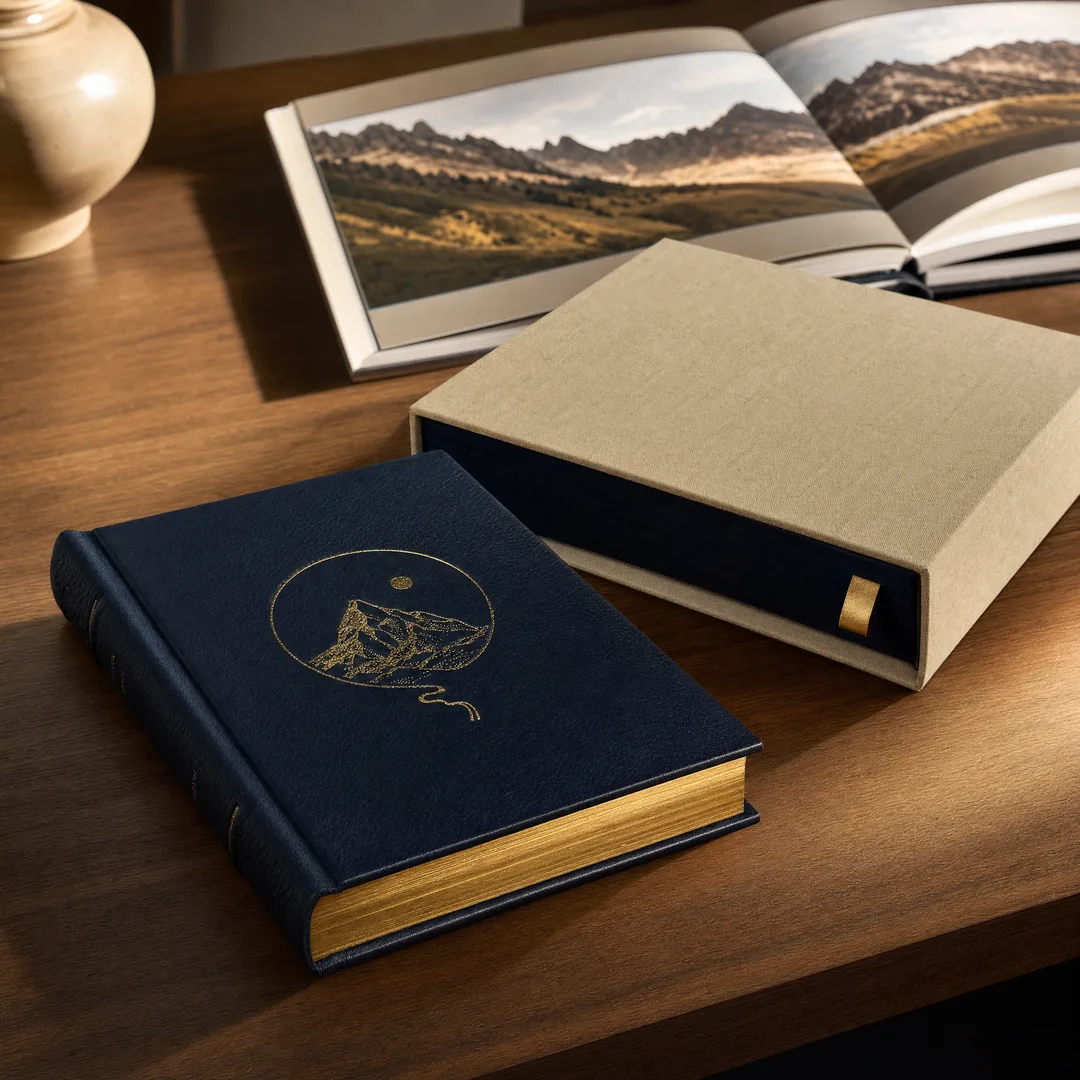
Cover options include softcover (250–350 gsm card stock with lamination) for lightweight student workbooks, hardcover for premium corporate training materials, and PU leather for executive-level coaching journals. Binding methods follow the intended use case — perfect binding for a clean spine, saddle stitching for thinner booklets (up to ~64 pages), and wire-o or spiral binding when the workbook needs to lie flat during use. Typical MOQs range from 500 to 1,000 copies , making this category accessible for both small training providers and large educational publishers.
Custom Music Score Printing
Music score printing demands a higher level of precision than general stationery, and Chinese print manufacturers with sheet-music experience understand the nuances. The most common formats are A4 (210 × 297 mm) for full scores, quarto (approximately 230 × 305 mm) for performance parts, and octavo (approximately 175 × 270 mm) for choral works. Paper choice is critical: cream or white offset paper at 80–100 gsm provides the right balance of opacity, texture, and durability for music stands, while minimizing glare under stage lighting.
Binding options are chosen with performance in mind. Saddle stitching works well for thin booklets (typically up to 40–48 pages), keeping parts lightweight and easy to handle on stage. Perfect binding suits thicker anthologies and collected works. For conductors and accompanists, wire-o lay-flat binding is the preferred choice — the score stays open on the music stand without fighting the spine. Professional stave printing ensures note heads, ledger lines, and articulation marks are crisp and legible at performance distance. MOQs typically start at 300–500 copies .
Custom Manual Printing
Product manuals, user guides, and instruction booklets are a staple of the China printing industry, and the range of formats reflects the variety of end uses. Standard sizes include A4 (210 × 297 mm) for detailed technical documentation, A5 (148 × 210 mm) for consumer product guides, and pocket-sized (105 × 148 mm or smaller) for quick-reference booklets included in product packaging. Interior pages typically use 80–100 gsm offset or woodfree paper , with the choice between black-and-white printing for cost efficiency and full-color CMYK for illustrated instructions.
Cover options span the full spectrum: softcover (250–300 gsm card stock with gloss or matte lamination) for lightweight manuals, hardcover for premium product documentation, and spiral or wire-o binding when the manual needs to stay open during use — ideal for workshop or assembly guides. Perfect binding and saddle stitching are also widely available, depending on page count. Typical MOQs run from 500 to 1,000 copies , with corporate and industrial clients often ordering in the thousands per SKU.
Custom Invoice Book Printing
Invoice books remain an essential business tool, and Chinese factories produce them at scale with impressive precision. The standard formats are A4 (210 × 297 mm) , A5 (148 × 210 mm) , and letter size (216 × 279 mm) for North American markets. The defining feature is carbonless (NCR) paper , which creates instant duplicate or triplicate copies without the mess of carbon sheets. Common configurations include 2-ply (original + one copy) and 3-ply (original + two copies), with each ply color-coded — typically white, yellow, and pink — for easy identification.
Additional features that Chinese manufacturers handle routinely include consecutive numbering printed on each form for tracking and auditing, perforated tear-off lines so individual invoices detach cleanly, and chipboard or card stock covers to protect the pad during use. Custom branding, company logos, and terms-and-conditions text can be printed on every sheet. MOQs are generally 500–1,000 books per design , with significant price breaks at higher volumes.
Custom Coupon Book Printing
Coupon books are a powerful promotional tool for retail, hospitality, and service businesses, and Chinese printers have developed specialized workflows for this category. The most common size is a pocket-friendly format — typically around 90 × 180 mm or 100 × 200 mm — though custom dimensions are standard practice. Paper stock leans toward heavier weights: cover paper or card stock at 200–300 gsm gives coupons the durability they need to survive in wallets and purses, with gloss or matte lamination for added protection.
Security and usability features set professional coupon books apart. Serial numbering allows businesses to track redemptions and prevent duplication. Barcode and QR code printing enables digital scanning at point of sale. For higher-value offers, watermark or security-pattern backgrounds add an anti-counterfeiting layer. Perforated tear-off stubs and glue-bound or saddle-stitched binding complete the package. MOQs typically start at 500–1,000 books per design , making this an accessible category even for small marketing campaigns.
Custom Scratch-Off Book Printing
Scratch-off books combine print production with a specialized finishing process that few factories outside China can deliver at competitive prices. The core concept is simple: printed content is concealed beneath a removable coating that the end user scratches away to reveal what’s underneath. The scratch-off panel itself comes in several variations — standard silver latex is the most common and cost-effective, while gold panels and custom-colored coatings add visual distinction for premium applications.
Beneath the scratch-off layer, the base printing can include variable data such as unique codes, winning numbers, or personalized messages — all printed with precise registration so the revealed content aligns perfectly with the scratch panel. Security features like serial numbering , QR codes , and anti-tamper patterns are standard options. Use cases span from retail lottery and promotional games to fundraising scratch cards and interactive children’s books . Binding options include saddle stitching for thinner books and perfect binding for thicker volumes. MOQs for scratch-off books are generally 500–1,000 copies , with the specialized finishing process making this one of the higher-value categories in stationery printing.
Why Source Stationery Printing from China?
The advantages of sourcing calendar and stationery printing in China go beyond price — though competitive pricing is certainly a major factor. Chinese manufacturers offer an unusually wide range of paper stocks, binding methods, and finishing techniques under one roof, which means you can often source multiple product categories from a single supplier. This simplifies logistics, reduces per-unit shipping costs through consolidated orders, and gives you a consistent quality baseline across your product line.
Flexibility is another key strength. Many factories accept low MOQs of 300–500 copies for stationery products, which is substantially lower than what most Western printers offer for custom work. Turnaround times are also competitive — typical production cycles run 15–25 business days from artwork approval, with express options available for urgent orders. Combine this with eco-friendly material options such as FSC-certified paper, soy-based inks, and recyclable packaging, and you have a sourcing solution that meets both budget and sustainability requirements.
If you are ready to explore custom stationery printing for your business — whether it’s planners, notepads, workbooks, or something more specialized — the first step is to prepare your specifications. Decide on your format, page count, paper stock, binding method, and approximate quantity. From there, a good manufacturing partner can guide you through the sampling, proofing, and production process to get your printed products into your customers’ hands.