Why Print Magazines and Catalogs in China?
If you’ve ever held a beautifully printed magazine and wondered how the publisher pulled it off without blowing their entire budget, there’s a good chance the answer involves China. Over the past two decades, Chinese printing factories have quietly become the backbone of global publishing — handling everything from indie art zines to massive retail catalogs for Fortune 500 brands.
The reason isn’t complicated. Print a 48-page full-color magazine at 1,000 copies in the US or Europe, and you might pay $3 to $5 per copy. Print the same magazine through a magazine printing china factory, and your per-unit cost drops to around $0.75 to $1.20 — even after factoring in sea freight and import duties. At 5,000 copies, the savings multiply. At 10,000, they become hard to ignore.
But cost is only part of the story. Chinese printers also offer a wider range of specialty finishes, binding methods, and paper stocks than most local commercial printers can match without outsourcing. Foil stamping, spot UV coating, soft-touch lamination, embossing — these are standard add-ons in a Chinese factory, not premium upcharges that require a specialty vendor.
That said, printing overseas isn’t a magic button. It rewards publishers who plan ahead, understand the process, and communicate clearly with their supplier. This guide walks through everything you need to know to get it right — whether you’re printing your first issue or moving an established publication to a new production partner.
Magazine Printing in China: Formats, Paper, and Binding
Not all magazines are created equal, and your binding choice is one of the first decisions you’ll make. The two most common options are saddle stitching and perfect binding, and which one you pick depends almost entirely on your page count.
Saddle Stitch Binding
Saddle stitching is exactly what it sounds like: folded sheets are draped over a “saddle” and stapled through the spine. It’s the standard choice for magazines under 64 pages and remains the most cost-effective binding method available.
The big advantage? A saddle-stitched magazine lays flat when opened, which makes it reader-friendly for shorter publications. The downside is page creep — as your page count increases, the inner pages stick out further than the outer ones when the magazine is folded. Printers compensate by trimming the face, but beyond about 64 to 68 pages (depending on paper weight), saddle stitching starts looking sloppy.
For publications like quarterly journals, event programs, and thin lifestyle magazines, saddle stitching is almost always the right call. Production is fast, unit cost is low, and the result looks clean.
Perfect Binding
Perfect binding gives you a square spine — the kind you see on thick fashion magazines, academic journals, and trade publications. Individual pages are gathered into a block, the spine edge is roughened, and a flexible adhesive (usually EVA or PUR) holds everything together.
Perfect binding starts making sense around 52 pages and works well up to several hundred pages. It looks more substantial and professional on a shelf or coffee table. The main tradeoff: a perfect-bound magazine won’t lay completely flat unless you pay extra for PUR adhesive, which offers more flexibility than standard EVA.
Most Chinese printers offer both EVA and PUR binding. If your magazine will be handled frequently — think reference catalogs or manuals — I’d strongly recommend paying the small premium for PUR. It withstands temperature changes, repeated opening, and general wear far better than traditional hot-melt adhesive.
Paper Choices for Magazine Interiors
Paper defines how your magazine feels in someone’s hands. Chinese factories typically stock the following options:
Gloss art paper (80-128 gsm): The go-to choice for photo-heavy publications. Colors pop, images look crisp, and the coated surface reflects light in a way that sells products and stories. Most lifestyle and fashion magazines use gloss stock for their interior pages.Matte art paper (80-128 gsm): Same coating base as gloss, but with a non-reflective finish. Better for text-heavy publications because there’s less glare. Feels slightly more premium and understated.Uncoated paper (70-100 gsm): No coating at all. This is what literary journals, poetry magazines, and certain indie publications choose for a tactile, organic feel. Colors are less vibrant, but the reading experience is warmer.
Cover stock is heavier — typically 200-300 gsm for softcover magazines, with lamination applied over the top for protection and finish.
Catalog and Product Catalogue Printing
Catalogue printing china follows similar production principles to magazine printing, but with a few important differences. Catalogs tend to be thicker, heavier, and built to last — they’re sales tools that might sit on a buyer’s desk for months, not disposable reading material.
Format and Paper Weight Guidelines
Product catalogs fall into two broad categories: bound books (like a thick Ikea catalog) and individual sheets gathered into a folder or binder. The first type uses either saddle stitching (for under 64 pages) or perfect binding (for anything thicker). The second type might use wire-o, spiral binding, or loose-leaf formats.
Paper weight matters more for catalogs than for magazines, especially if your catalog includes order forms or tear-out pages:
Interior pages: 100-150 gsm gloss or matte art paper. Heavier than magazine stock because catalog pages get flipped through repeatedly.Cover: 250-350 gsm with lamination. A catalog cover takes abuse — it gets tossed into bags, stacked under other books, and handled at trade shows.Cover stock alternatives: Some Chinese printers offer 14pt (approx. 300 gsm) cover stock — either gloss-coated or uncoated — that provides a substantial, premium feel.
Cover Options That Matter
Your catalog’s cover is the first thing a buyer touches. Chinese factories offer cover options that go well beyond what most local printers provide at comparable prices:
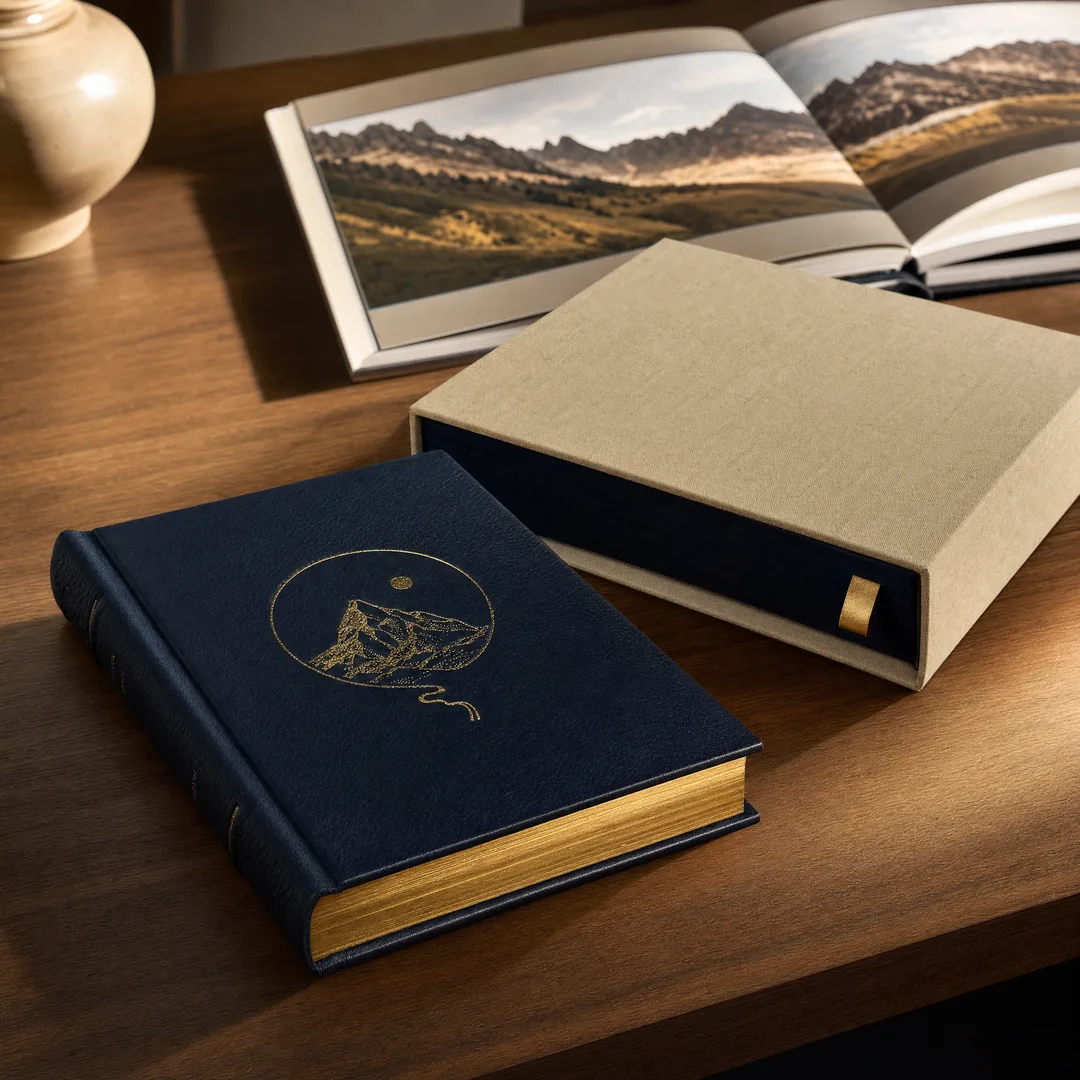
Softcover with lamination: Standard for most catalogs. Gloss lamination makes colors vibrant; matte lamination looks more elegant and resists fingerprints better.Hardcover / case binding: For premium product catalogs that need to impress. A hardcover catalog communicates permanence and quality. Production costs are higher, but for B2B catalogs targeting high-value buyers, the ROI is often there.Self-cover: The same paper stock is used for both cover and interior pages. Only suitable for thin, budget-conscious catalogs under 32 pages.
Customization Options: Sizes, Finishes, and Special Effects
One area where Chinese printing genuinely outpaces Western alternatives is customization. Specialty finishes that would cost a fortune through a local printer are routine add-ons in Chinese factories.
Size Selection
The standard US magazine size is 8.5 × 11 inches. A4 (8.27 × 11.69 inches) is common for international distribution. Digest-sized publications (5.5 × 8.5 inches) work well for travel magazines and pocket-sized catalogs. But here’s the thing — Chinese printers don’t penalize you for custom sizes the way many domestic shops do. If your brand needs a distinctive format, you can specify pretty much any trim size without a major cost penalty, as long as it fits efficiently on standard press sheet dimensions.
Surface Finishes That Elevate Your Publication
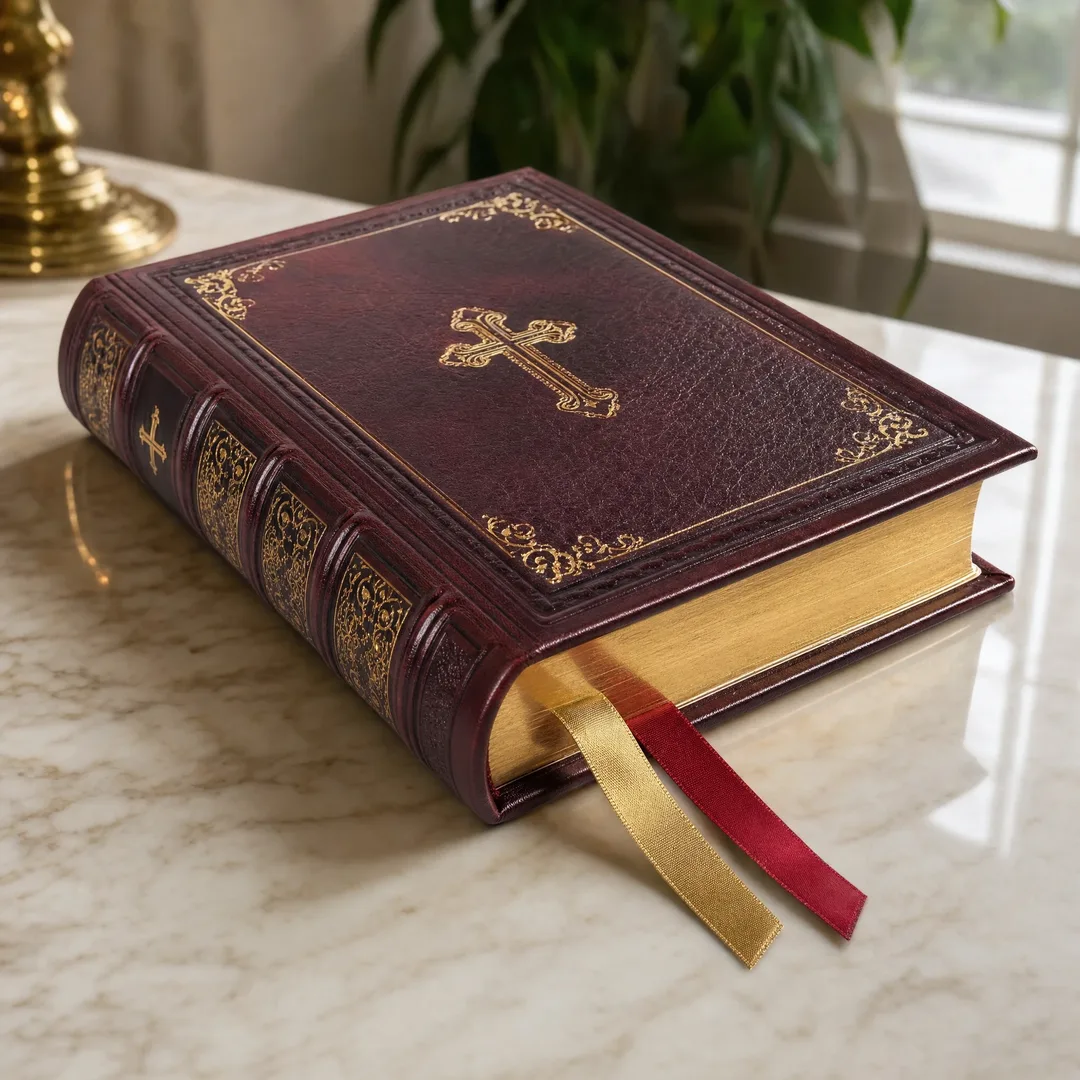
Gloss lamination: Shiny, protective, makes colors vivid. The most affordable option and still the most popular.Matte lamination: Non-reflective, resistant to fingerprints, reads as sophisticated. Costs slightly more than gloss but worth it for premium positioning.Soft-touch lamination: A velvety, almost rubbery finish that feels incredible in hand. It’s become a signature touch for high-end catalogs and luxury brand magazines. Adds roughly 20-30% to your cover finishing cost, but the tactile impression is hard to beat.UV spot coating: A glossy, raised coating applied to specific areas — your logo, a product image, a title. Creates contrast against a matte background. Because UV spot is applied selectively, it draws the eye exactly where you want it.Foil stamping: Metallic foil (gold, silver, copper, or custom colors) pressed onto the cover. Adds a premium, almost bespoke feel. Works beautifully on dark-colored covers.Embossing and debossing: Raised (embossed) or recessed (debossed) designs pressed into the cover stock. Subtle but effective — people notice texture before they read text.
Print Quality and Color: Offset vs Digital, CMYK, and Proofing
Print quality is where anxiety lives. Nobody wants to open a shipping container and discover their entire print run looks wrong. Understanding the fundamentals helps prevent expensive mistakes.
Offset vs Digital Printing
Offset printing remains the dominant method for magazine printing china and catalog production. Here’s why: offset presses use physical plates to transfer ink, which means the setup cost is higher but the per-unit cost drops steeply as quantity increases. Color consistency across a long run is excellent because the same plates produce every copy.
Digital printing skips the plates entirely. It’s faster for small runs (under 300-500 copies) and allows variable data printing — different versions of the same catalog for different customer segments, for instance. The tradeoff: per-unit cost stays relatively flat regardless of quantity, and color matching can drift across a long run.
Rule of thumb: Under 300 copies, go digital. Over 500 copies, offset is almost certainly cheaper per unit. Between 300 and 500, get quotes for both and compare.
CMYK Color Consistency
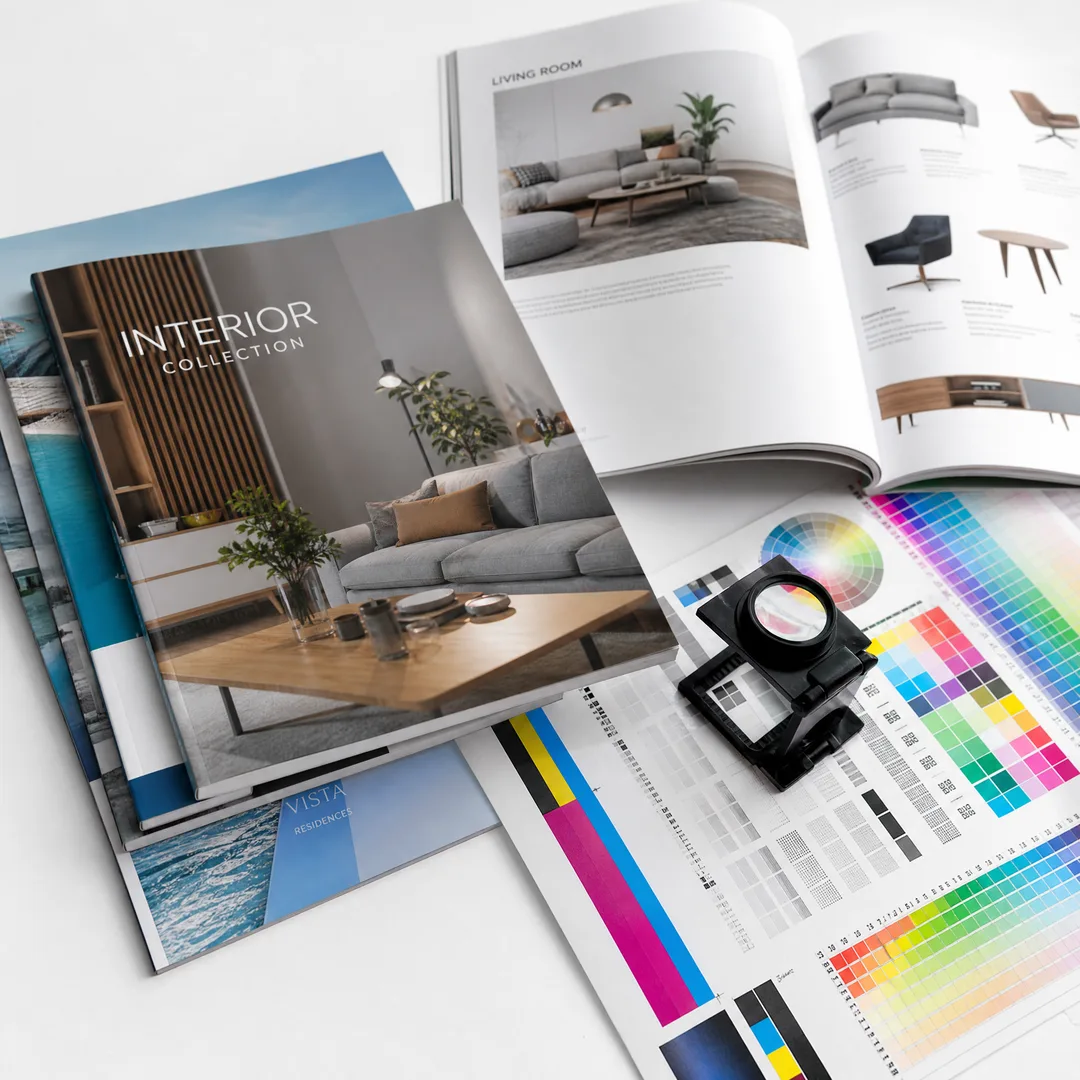
Offset presses in China print in CMYK — cyan, magenta, yellow, and black. This matters because the file you designed on your RGB monitor will look different when converted to CMYK for print. Colors shift, especially bright blues and greens.
Before submitting files for catalogue printing china , convert your artwork to CMYK in Adobe InDesign or Photoshop. Don’t rely on your printer to do this for you — they might, but the result is out of your control. Some designers also request a specific ICC color profile; most reputable Chinese printers can accommodate standard profiles like FOGRA39 or GRACoL.
If color accuracy is critical (product catalogs, art books, branded publications), you should also discuss your printer’s calibration process. Factories serving international clients typically calibrate their presses to ISO 12647-2 standards, which defines color targets for offset printing.
The Proofing Process
Proofing is your safety net. There are two levels:
Digital (soft) proof: A PDF that shows layout, pagination, and approximate color. Free from most printers, takes 1-2 days. Good for catching layout errors, text issues, and image placement problems. Not reliable for judging exact color.Physical (hard) proof: An actual printed sample on the paper stock you selected. Costs $50-150 depending on complexity, adds 1-2 weeks to your timeline, but gives you exactly what the final product will look like. For first-time orders, color-critical work, or any print run over $5,000, a physical proof is not optional — it’s insurance.
I’ve seen publishers skip the physical proof to save two weeks, then spend two months fighting with a printer over a color shift. Don’t do that.
MOQ, Turnaround Times, and Shipping Logistics
Understanding minimum order quantities and realistic timelines is where the rubber meets the road. These numbers determine whether printing in China makes sense for your specific project.
Minimum Order Quantities
For offset magazine printing china , the typical MOQ is 500 copies. Some factories accept 300 for simple saddle-stitched publications. A few specialized printers work with runs as low as 100, but at that volume the cost advantage over local digital printing shrinks dramatically.
Digital-capable factories can handle orders of 100-300 copies without the offset setup costs. If you’re launching a new publication and want to test the market, starting with a 200-copy digital run from China might work — but run the numbers carefully. On very small quantities, international shipping costs eat into your savings faster than you’d expect.
Below 100 copies, honestly, print locally. The math rarely works out, and the timeline doesn’t justify it.
Production and Shipping Timelines
Here’s a realistic timeline for a typical 1,000-copy offset magazine order from a Chinese factory to a US or European destination:
Stage
Duration
File prep and preflight check
2-3 days
Physical proof (optional but recommended)
7-10 days
Production
2-4 weeks
Quality inspection and packing
2-3 days
Sea freight to West Coast port
3-5 weeks
Sea freight to East Coast port
5-7 weeks
Customs clearance and domestic delivery
3-7 days
Total door-to-door: roughly 8-12 weeks from file approval for sea freight. Air freight cuts transit to about 7-14 days but costs 4-5 times more — useful for a small emergency reprint, not a cost-effective strategy for a full production run.
Shipping Options at a Glance
Sea freight (FCL – Full Container Load): Cheapest per unit for large shipments. A 20-foot container from Shanghai to Los Angeles runs roughly $1,500-2,800. Transit time: 12-16 days port-to-port, plus clearance.Sea freight (LCL – Less than Container Load): Your cargo shares container space with other shipments. Better for mid-sized orders. Costs roughly $50-80 per cubic meter.Air freight: $5-8 per kilogram. Transit: 5-10 days door-to-door. Worth considering for small, high-value catalogs or urgent deadlines.Express courier (DHL, FedEx, UPS): $8-12 per kilogram. Fastest option at 3-5 days. Only practical for samples or very small quantities.
Cost Comparison: China vs Domestic Printing
Let’s get specific. Based on published quotes from multiple Chinese printers as of early 2026, here’s what you’re looking at for a common project: 500 copies of a 48-page saddle-stitched magazine, 8.5 × 11 inches, full-color throughout, with gloss lamination on the cover.
In China: roughly $1.17-1.26 per copy ex-factory — about $585-630 total for the print run. Add sea freight and customs clearance (approximately $0.50-0.80 per copy at this quantity), and your landed cost per unit sits around $1.70-2.00.
Print the same magazine domestically in the US through a commercial offset printer, and you’re looking at $3.50-5.00 per copy — often with fewer finishing options available at comparable speed.
Scale up to 2,000 copies, and the gap widens further. Chinese ex-factory cost drops to roughly $0.56-0.60 per copy, while domestic pricing doesn’t fall as steeply, especially for full-color work.
For thicker publications, the savings are even more dramatic. A 200-page perfect-bound full-color catalog at 1,000 copies might cost $3.50-5.00 per copy from China (landed), versus $10-14 from a US offset printer. That’s the difference between a $5,000 print bill and a $12,000 one.
Tariff Reality Check
There’s been a lot of noise about US-China tariffs, so let me clarify what actually applies to printed materials. As of 2026, finished books, magazines, and catalogs are classified as “informational materials” under IEEPA exemptions, which means they’re not subject to recent headline tariffs. The applicable duty is the longstanding Section 301 tariff at 7.5% — not the 30-145% rates you may have read about in the news. Most Chinese printers include this in their shipping cost estimates.
Is the tariff situation subject to change? Of course. But as of now, the numbers still work strongly in favor of overseas printing for runs of 500 copies or more.
How to Order: File Preparation, Proofing, and Communication
Successfully printing in China comes down to front-loading the details. The more precise your specifications upfront, the smoother the process.
File Preparation Checklist
Color mode: CMYK, not RGB. Convert before sending files.Resolution: 300 DPI for all images. Anything lower will look soft in print.Bleed: 3mm (0.125 inches) on all sides. Extend your background images and color blocks into the bleed area.Safe zone: Keep critical text and logos at least 5mm (0.2 inches) inside the trim line.File format: Print-ready PDF with embedded fonts. Most Chinese printers accept files prepared to PDF/X-1a or PDF/X-4 standards.Fonts: Embed all fonts or convert text to outlines. Chinese printers may not have your specific Western fonts installed.
The Proofing Workflow
Send your print-ready PDF. The factory runs a preflight check — they’ll flag missing fonts, low-res images, or bleed issues within 2-3 business days.
Review the digital proof they send back. This is when you catch layout problems, not color issues.
If you ordered a physical proof: wait for it, inspect it under good lighting (daylight-balanced if possible), and compare it against a calibrated monitor. Check binding quality, paper feel, and trim accuracy — not just color.
Approve or request adjustments. Once you give final approval, production begins and changes become expensive.
Communication Tips for Working with Chinese Printers
Language barriers are real, but they’re manageable with the right approach:
Be specific, not poetic. “We want the cover to feel luxurious” is ambiguous. “Matte lamination with spot UV on the logo and soft-touch on the background” is actionable.Use visual references. Send photos of similar publications you like. Point out exactly what you want — the paper texture, the binding style, the finish.Confirm everything in writing. Verbal agreements over WeChat are common in Chinese business culture, but for your protection, ask for key specs to be confirmed in an email or on the proforma invoice.Account for Chinese holidays. Chinese New Year (late January to mid-February) shuts down factories for 2-3 weeks. The National Day holiday (first week of October) causes similar delays. Plan production schedules around these periods.Ask for references. Any reputable magazine printing china factory should be able to provide examples of previous work for Western clients. If they can’t — or won’t — that’s a red flag.
Shipping Arrangements
Most Chinese printers work with freight forwarders who handle door-to-door logistics. You have two paths:
Use the printer’s forwarder: Simpler, one point of contact, often competitively priced. The printer has established relationships and can resolve issues faster.Use your own forwarder: More control, potentially better rates if you have shipping volume. But you’ll be the one coordinating between the factory and the freight company — and if something goes wrong, you’re in the middle.
For first-time buyers, using the printer’s recommended forwarder is usually the path of least resistance. Once you’ve built a relationship and understand the logistics, you can explore bringing your own.
Conclusion: Is Printing in China Right for Your Publication?
Printing magazines and catalogs in China isn’t for everyone. If you need 50 copies by next Tuesday, call a local digital shop. If you’re producing a single-issue passion project and the budget is tight, domestic print-on-demand might make more sense.
But if you’re a publisher, brand, or business that prints 500+ copies per issue — or wants premium finishing at a price that still lets you make money — magazine printing china and catalogue printing china are hard to beat. The cost savings are real, the quality is competitive with (and sometimes exceeds) Western offset printing, and the range of customization options is broader than what most local printers provide.
The key is planning. Build in 10-12 weeks of lead time for your first order. Be obsessive about your file preparation. Order a physical proof. Communicate clearly and specifically. Do those things, and you’ll join the thousands of publishers who’ve discovered that the best printer for their magazine might be 6,000 miles away.
Ready to get started? Gather your specifications — page count, trim size, paper preferences, binding choice, quantity, and target delivery date — and request quotes from 2-3 reputable Chinese printing factories. Compare not just the per-unit cost, but the total landed cost including shipping and duties. The right partner will save you money, deliver quality, and make the process smoother than you expect.