Introduction — Why Print Comics & Graphic Novels in China?
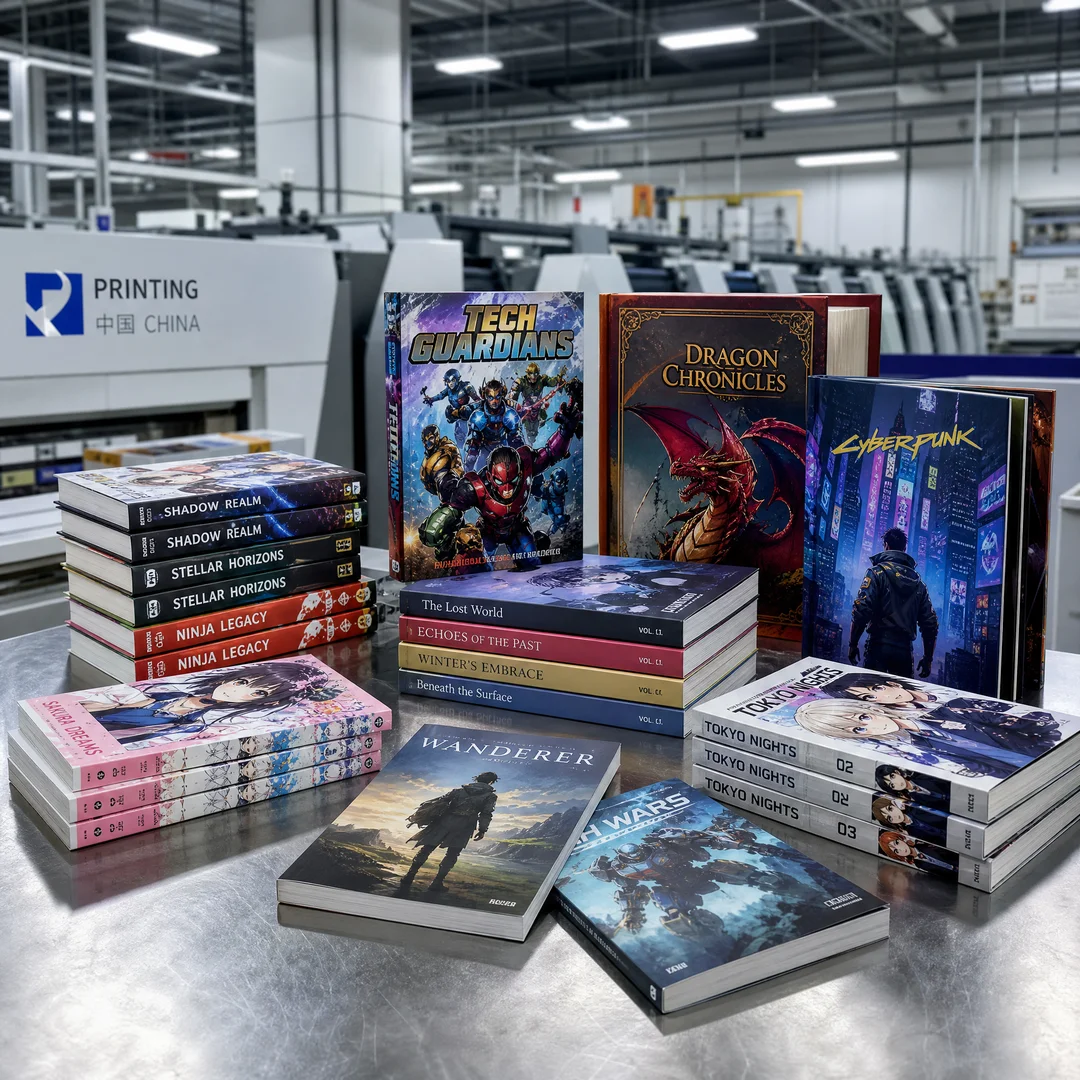
China has grown into one of the world’s largest hubs for high-quality comic book printing , serving independent artists, small publishers, and major imprints across North America, Europe, and Asia. The country’s printing industry combines advanced offset and digital press technology, skilled craftsmanship, and competitive cost structures that are difficult to match elsewhere. For creators looking to produce a single-issue comic, a collected trade paperback, or a deluxe hardcover graphic novel, Chinese manufacturers offer a compelling blend of quality, flexibility, and value.
What makes comic book printing china particularly attractive is the depth of specialization available. Many factories in Guangdong, Shanghai, and Shandong provinces have dedicated comic and illustrated book production lines. These facilities understand the unique demands of comic artwork — from precise color management and screen-tone reproduction to specialized binding techniques that keep pages flat for double-page spreads. In addition, most established printers hold international certifications such as FSC, BSCI, and ISO9001, ensuring consistent quality and ethical production standards.
At EcoPrinting , our production base spans over 20,000 square meters and operates more than 100 advanced machines. We serve over 6,000 clients worldwide, including more than 10 Fortune Global 500 companies. Whether you are printing your first indie zine or a full-color graphic novel run, understanding the printing landscape in China will help you make informed decisions about your project.
Comic & Graphic Novel Printing Technologies in China
Chinese printing factories generally offer two core technologies for comic production: offset printing and digital printing . Each method serves different project scales and quality requirements, and the best choice depends on your print run size, budget, and timeline.
Offset Printing — The Gold Standard for Comic Books
Offset printing remains the industry standard for mass-produced comics and graphic novels. The process transfers ink from metal plates to rubber blankets before it reaches the paper, producing exceptionally clean, crisp images. Each color — Cyan, Magenta, Yellow, and Black (CMYK) — requires its own printing plate, which means there is a meaningful setup cost. However, once the plates are mounted, offset presses can print thousands of identical copies per hour with remarkable consistency.
For comic creators planning print runs of 1,000 copies or more, offset printing delivers the best balance of quality and per-unit cost. The ink bonds deeply with the paper, creating durable pages that withstand repeated handling. Colors remain vibrant and accurate across the entire print run, which is essential when your artwork relies on precise hues and gradients. Many Chinese offset facilities also offer Hybrid UV (H-UV) printing , which allows for high ink coverage without the need for a protective varnish — a significant advantage for comics with rich, dark panels or full-bleed art.
Digital Printing — Flexible Solutions for Short Runs
Digital printing eliminates the need for plates entirely, making it ideal for small print runs, test editions, and print-on-demand models. Modern digital presses in Chinese factories can produce a single copy or a few hundred at competitive prices. Setup time is minimal and turnaround is fast — sometimes as short as 5-7 business days.
The trade-off lies in color depth and paper versatility. While digital presses have improved dramatically in recent years, offset still holds an edge in subtle color gradients, fine line detail, and compatibility with specialty paper stocks. For independent creators testing the market or producing limited-edition comics, digital printing offers a low-risk entry point. Once demand is proven, many creators graduate to offset for larger reprint runs.
Manga-Style Printing — What Makes It Different
Manga printing china has developed into a specialized niche within the broader comic printing industry. Manga — Japanese-style comics read right-to-left — has distinct production requirements that set it apart from Western comics and graphic novels.
Trim Size and Orientation
Standard manga volumes are typically printed at a smaller trim size than American comics. The most common dimensions are 5″ × 7.5″ (B6 format) or 5.5″ × 7.75″, though larger formats such as 5.75″ × 8.25″ are also used for deluxe editions. The right-to-left reading direction means the binding edge sits on the right side of the book, which affects page layout, spine design, and cover orientation. Chinese printers familiar with manga production automatically account for this reversed pagination in their prepress workflow.
Paper Weight and Texture
Traditional Japanese manga uses thin, lightweight paper — typically 50-70 gsm uncoated stock. This keeps the book affordable and portable while allowing higher page counts without excessive bulk. A 200-page manga volume printed on lightweight paper remains easy to hold and read for extended sessions, which aligns with how manga is consumed — often in single, long sittings. However, creators who want richer blacks and sharper contrast may opt for 80-100 gsm coated paper, which provides better opacity and reduces show-through on double-sided pages.
Screen Tone Reproduction
One of the trickiest aspects of manga printing is reproducing screen tones (screentones) — the dot-pattern textures that manga artists use for shading, gradients, and atmospheric effects. Screen tones are delicate. If the printing resolution is too low or the dot gain is poorly controlled, these patterns can produce moiré artifacts or muddy gray areas instead of crisp gradients. Experienced Chinese manga printers use high-line-screen plates (175-200 LPI or higher) and rigorous color calibration to preserve every dot pattern as the artist intended.
Paper, Binding & Finish Options for Comics
Choosing the right combination of paper, binding, and finish is where your comic book gains its physical personality. These decisions affect how the book feels in a reader’s hands, how the colors present on the page, and how long the book holds up after repeated readings.
Interior Paper Types
The three main categories of interior paper used in comic printing are gloss , silk (satin) , and uncoated . Gloss-coated paper delivers the highest color saturation and contrast, making it the go-to choice for superhero comics and full-color graphic novels. Silk paper offers a softer sheen that reduces glare while maintaining strong color reproduction — popular for indie comics and slice-of-life graphic novels where readability is just as important as visual impact. Uncoated paper provides a matte, tactile finish that suits black-and-white indie comics and art-forward zines; it feels handcrafted and intimate, though colors appear more muted than on coated stock.
For interior pages, 100-128 gsm coated paper is the most common choice for color comics, while 80-100 gsm works well for black-and-white volumes. Graphic novels with heavier ink coverage benefit from 128-157 gsm to prevent bleed-through. Cover stock for softcover editions typically ranges from 250-350 gsm with lamination — gloss or matte — for durability and a premium feel.
Binding Methods
Binding Type
Best For
Page Range
Key Benefit
Saddle Stitch
Single issues, floppies, zines
8-64 pages
Lowest cost, lies flat, fast production
Perfect Bound (PUR)
Trade paperbacks, graphic novels
32-500+ pages
Professional spine, bookstore-ready
Sewn Perfect Bound
Premium graphic novels, collected editions
60-500+ pages
Lay-flat opening, superior durability
Hardcover (Case Bound)
Deluxe editions, collector’s items
60-400+ pages
Maximum durability, premium presence
Saddle stitching is the backbone of the traditional comic book industry. Known affectionately as “floppies,” these stapled issues are affordable, quick to produce, and open completely flat — ideal for dramatic double-page spreads. However, staple binding works best for lower page counts; beyond 64 pages the book becomes bulky at the spine and may not lie flat.
Perfect binding (PUR adhesive) is the dominant method for trade paperbacks and graphic novels. The pages are gathered, roughened at the spine edge, and glued together with a flexible polyurethane adhesive. This creates a square spine that can be printed with the title, author name, and volume number — a crucial feature for retail shelf display. For creators who want pages that open nearly flat, sewn perfect binding adds thread-sewn signatures before the PUR glue application, combining the best of both worlds at a moderate cost increase.
Cover Finishes
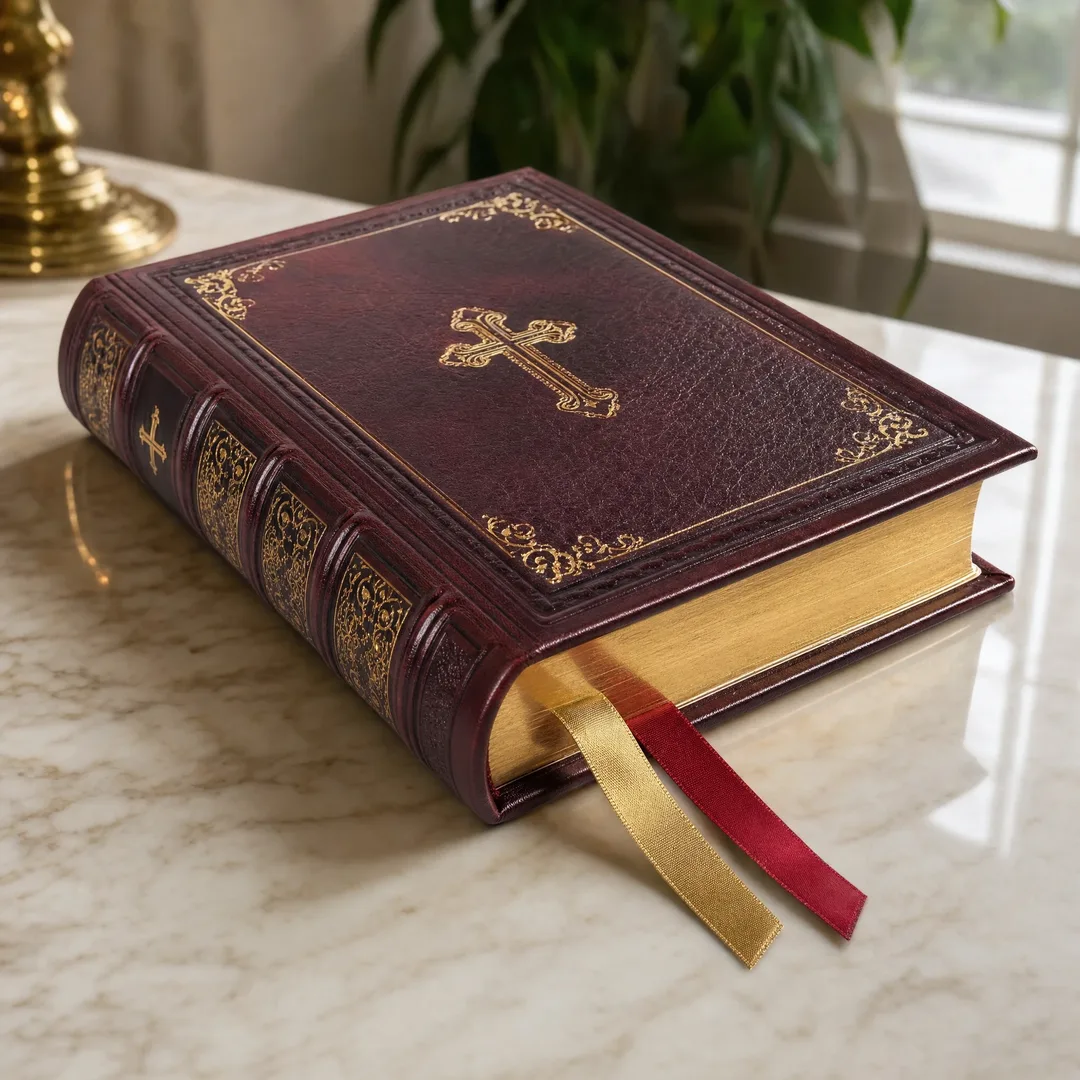
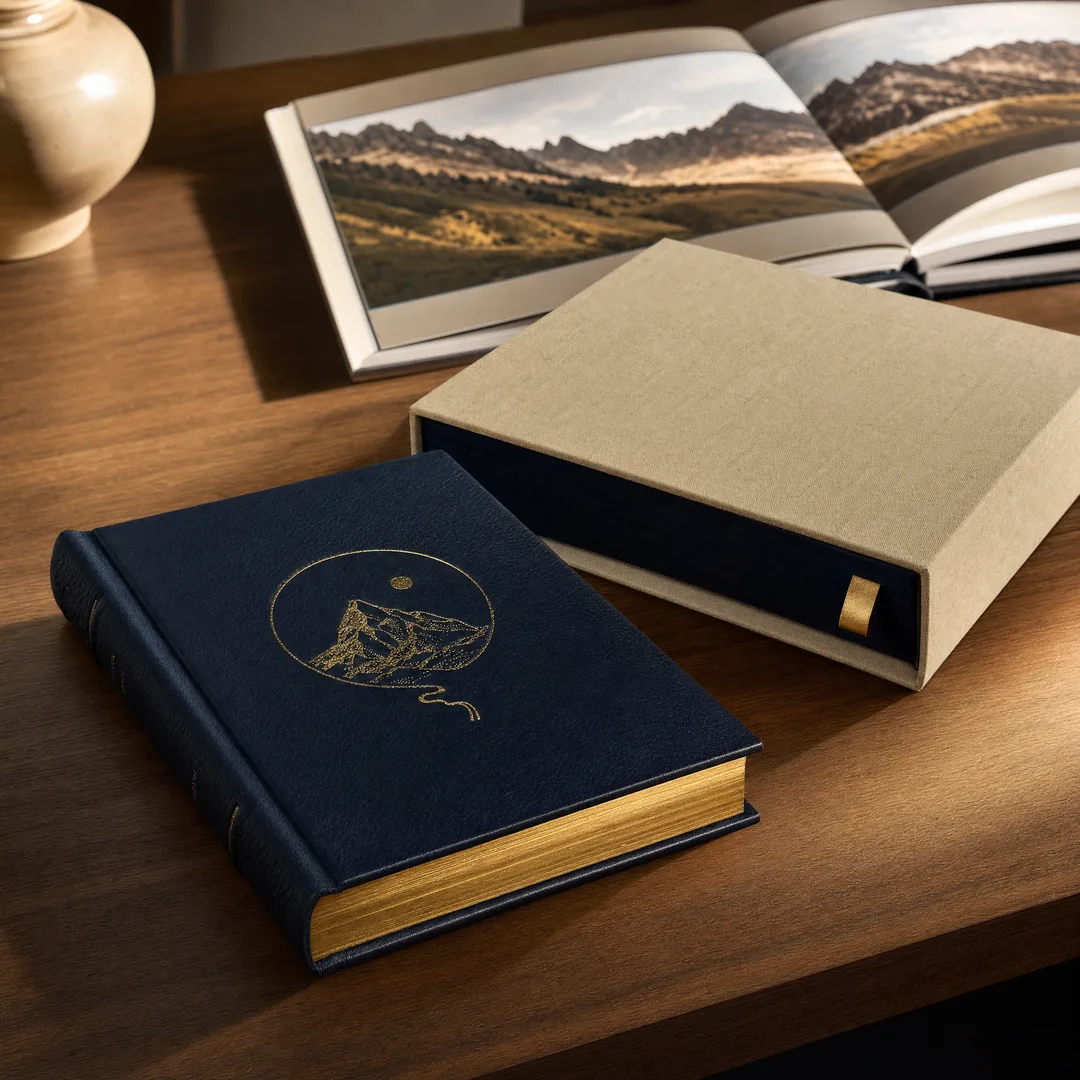
Beyond lamination, Chinese printers offer a range of specialty finishes to elevate your comic’s cover. Spot UV applies a glossy, raised coating to selected areas — perfect for making a logo or character illustration pop against a matte background. Foil stamping adds metallic gold, silver, or colored foil to text and design elements for a deluxe look. Embossing and debossing create raised or recessed textures that add a tactile dimension. These finishes are especially popular for limited editions, Kickstarter editions, and collector’s box sets.
Printing Specifications & Production Standards
Every professional comic printing project starts with a clear set of technical specifications. Understanding these standards before you prepare your files will save time, reduce errors, and ensure your printed book matches your creative vision.
Resolution and Color Mode
All artwork should be submitted at 300 DPI (dots per inch) at the final print size. Images at 72 DPI — common for web graphics — will appear pixelated and blurry when printed. Vector artwork (logos, line art, text) should remain in vector format wherever possible, as it scales infinitely without quality loss. The color mode must be CMYK , not RGB. RGB colors on your screen will shift when converted to print because screen displays use light while printed pages use reflected light and pigment. Most Chinese printers provide a color profile (usually FOGRA39 or GRACoL) that you can embed in your design software for accurate soft-proofing.
Bleed, Trim, and Safe Zone
If your artwork extends to the edge of the page — known as full-bleed — you must include a bleed area of at least 0.125 inches (3 mm) on all sides. This extra margin accounts for minor paper shifts during the trimming process. Without bleed, you risk thin white slivers appearing at the page edges. The safe zone (or quiet area) should keep all critical text and artwork at least 0.25 inches (6 mm) from the trim line and at least 0.5 inches (12 mm) from the binding edge for perfect-bound books.
Common Trim Sizes
Format
Typical Trim Size
Binding
Single-Issue Comic (US)
6.625″ × 10.25″
Saddle Stitch
Trade Paperback / Graphic Novel
6″ × 9″ or 7″ × 10″
Perfect Bound or Hardcover
Manga (Standard)
5″ × 7.5″ (B6)
Perfect Bound
Manga (Deluxe)
5.75″ × 8.25″
Perfect Bound or Hardcover
Digest / Mini-Comic
5.5″ × 8.5″
Saddle Stitch or Perfect Bound
Magazine-Style Comic
8.5″ × 11″
Saddle Stitch
File Format and Submission
The industry-standard file format for comic printing is PDF/X-1a or PDF/X-4 . These PDF flavors embed all fonts and color profiles while flattening transparency effects for reliable output. Each page should be a single page in the PDF, not a spread. For saddle-stitched books, pages must be submitted in reader order (not printer spreads), and your printer’s prepress team will handle the imposition. Include crop marks and bleed in your exported file, and always request a digital or physical proof before authorizing the full production run.
Cost Factors for Comic Book Printing
Understanding the cost drivers behind graphic novel printing china helps you budget accurately and identify where you can save without sacrificing quality. The final quote for any project is shaped by several interrelated variables.
Print Run Size
The single biggest factor in per-unit cost. Offset printing has high initial setup costs — plates, make-ready time, and ink calibration — but these fixed costs spread thin across a large print run. At 500 copies, the setup cost represents a significant portion of each book’s price. At 5,000 copies, that same setup cost becomes negligible. The sweet spot for offset typically starts around 1,000-1,500 copies, where per-unit prices begin to fall sharply. Digital printing, by contrast, has minimal setup cost but a relatively flat per-unit price curve — ideal for runs of 1-500 copies.
Paper Selection
Paper accounts for 30-50% of total printing cost, depending on your choices. Premium coated art paper (128-157 gsm) costs significantly more than standard uncoated stock (80-100 gsm). Specialty papers — textured, recycled, or FSC-certified stock — carry additional premiums. Cover weight (250-350 gsm) adds cost but is essential for perfect-bound books, where the cover must support the interior page block structurally. For independent creators, selecting a mid-weight coated paper (100-128 gsm) for interiors often hits the sweet spot between quality and affordability.
Color Coverage and Page Count
Full-color printing uses four ink plates (CMYK) while black-and-white uses only one (K), making color approximately 3-4 times more expensive in ink costs alone. A 200-page full-color graphic novel will cost substantially more than a 200-page black-and-white manga. Page count also affects binding choice — books under 64 pages can use economical saddle stitching, while anything over requires perfect binding or hardcover, each with its own cost structure.
Binding, Finishing, and Shipping
Saddle stitching is the most affordable binding method. Perfect binding adds roughly 15-25% to the binding cost. Hardcover case binding can double or triple the binding expense compared to perfect binding. Specialty finishes — spot UV, foil stamping, embossing — are priced per impression area and add incremental cost. Finally, shipping from China represents a meaningful line item. Sea freight is the most economical option for large orders (typically 4-6 weeks transit), while air freight offers faster delivery at higher rates. Many Chinese printers, including EcoPrinting’s book printing service , offer consolidated shipping options that reduce costs for smaller publishers.
Quality Assurance for Comics
Quality assurance in comic printing is not a single checkpoint but a process woven through every production stage — from prepress file review to final packaging. The best Chinese printers maintain rigorous QA protocols designed to catch issues before they reach the reader.
Prepress File Check
Before a single plate is made, a skilled prepress technician reviews your files for common issues: low-resolution images, missing fonts, incorrect color mode (RGB vs. CMYK), insufficient bleed, and page-order errors. EcoPrinting’s hardcover production line , for instance, includes automated preflight checks followed by manual review for every project. This dual-layer approach catches both software-detectable errors and subtle artistic issues that algorithms miss.
Color Proofing
A color-accurate proof is your last chance to verify the final output before production begins. Digital proofs (PDF-based) are fast and free, giving you a reference for layout and content. Hard copy proofs — printed on the actual production stock using calibrated equipment — provide the most accurate representation of color, contrast, and paper feel. For first-time projects or high-budget editions, a hard copy proof is strongly recommended, even though it adds time and a small cost to the process.
In-Production Inspection
During the press run, operators pull sample sheets at regular intervals to check color consistency, registration (alignment of the four CMYK plates), and ink density against the approved proof. Modern offset presses use spectrophotometers — devices that measure color values — to maintain tight tolerances throughout the run. For binding, random samples are pulled to test page adhesion, spine alignment, and trim accuracy. These in-process checks ensure that every copy in your order meets the same quality standard, not just the first few.
How to Prepare Your Artwork for Print
Proper file preparation is the bridge between your digital art and a professional printed comic. Following these guidelines will streamline the prepress process and reduce the risk of unexpected results.
Set up your document correctly. Create your pages at the exact trim size plus bleed. For a 6.625″ × 10.25″ comic with full-bleed art, your document should be 6.875″ × 10.5″ (adding 0.125″ bleed on all sides). Work in CMYK color mode from the start — converting from RGB at the end often produces disappointing color shifts.Use 300 DPI for all raster artwork. Line art, scanned drawings, and digital paintings should all be 300 DPI at final print size. If you work at print size from the beginning, you avoid the scaling guesswork that creates blurry output.Keep text and critical elements in the safe zone. Speech bubbles, captions, page numbers, and any element you cannot afford to have trimmed should stay at least 0.25″ inside the trim line. For perfect-bound books, add extra margin (0.5″ minimum) on the binding edge to prevent text from disappearing into the gutter.Flatten or outline text. Convert all text to outlines (in Illustrator) or embed fonts fully (in InDesign). This ensures your lettering renders correctly even if the printer does not have your specific typeface installed.Export as PDF/X-1a. This format embeds everything needed for reliable printing and is accepted by virtually every Chinese printing facility. Export pages as single pages, not spreads, and include crop marks and bleed.Label your files clearly. Use a consistent naming convention such as ComicTitle_Interior_001.pdf for interior pages and ComicTitle_Cover.pdf for the cover. If printing a manga with right-to-left reading, clearly note the reading direction in your file name or accompanying spec sheet.Communicate with your printer. Share your spec sheet early — trim size, page count, paper preference, binding type, quantity, and any special finishes. A good printer will review your files at no charge and flag issues before production begins. This collaborative step alone can save hundreds of dollars in reprints.
FAQ
What is the minimum order quantity for comic book printing in China?
Minimum order quantities depend on the printing method. For offset printing, most Chinese factories set a minimum of 500 copies, though some will accept 300 for simpler projects. Digital printing has no minimum — you can order as few as one copy, making it ideal for prototypes, review copies, or ultra-limited editions.
How long does comic book printing take in China?
Production time for a standard offset comic book order (500-3,000 copies) typically ranges from 2-4 weeks after proof approval. Digital printing is faster — often 5-10 business days. Shipping adds additional time: air freight takes 5-10 days, while sea freight takes 4-6 weeks to most Western ports. Factor in a total timeline of 6-10 weeks for offset plus sea freight, or 2-4 weeks for digital plus air freight.
Can I print a manga that reads right-to-left?
Yes. Many Chinese printers have extensive experience with manga printing china and right-to-left formats. The key is to clearly communicate the reading direction during file submission. The printer will adjust the binding edge, page ordering, and cover layout accordingly. Providing a mock-up or reference image of the desired final product helps avoid confusion.
What paper do most manga publishers use?
Traditional Japanese manga uses lightweight uncoated paper, typically 50-70 gsm, which keeps costs low and page counts high. English-language manga editions often step up to 80-100 gsm coated or uncoated stock for better opacity and a slightly more premium feel. The choice depends on your budget and target audience. Deluxe or collector’s editions may use 100-128 gsm coated paper for richer blacks and sharper line art.
Is printing in China safe from a quality standpoint?
Reputable Chinese printers maintain international quality certifications (ISO9001, FSC, BSCI) and follow the same color standards as Western printers. The key is to work with an established manufacturer that offers proofing, clear communication, and transparent pricing. Request a sample pack from your printer before committing to a large order — this lets you evaluate paper stocks, binding quality, and print fidelity firsthand.
How do I ship printed comics from China to my country?
Most Chinese printers offer freight options including sea (economical, slow), air (fast, expensive), and express courier (DHL, FedEx, UPS — fastest, most expensive). Many publishers use sea freight for the bulk of their order and air freight a smaller quantity for launch events or urgent retail needs. Your printer can typically arrange door-to-door delivery, handling customs documentation on your behalf.
Conclusion — Bringing Your Comic to Life with Confidence
Printing your comic, manga, or graphic novel in China is a strategic choice that combines world-class manufacturing capability with significant cost advantages. The key to a successful project lies in understanding your options — offset versus digital, saddle stitch versus perfect bound, coated versus uncoated — and preparing your artwork to professional standards before it reaches the press.
China’s comic printing industry has matured into a sophisticated ecosystem. Factories now offer the same Heidelberg and Komori presses used by top Western printers, the same G7 color calibration standards, and increasingly the same sustainability certifications. The difference is the depth of specialization available at competitive price points, supported by decades of experience serving international publishing markets.
Whether you are an independent creator printing 200 copies of your debut manga, a small press producing a 2,000-copy graphic novel run, or a publisher sourcing collector’s hardcover editions, the right Chinese printing partner can make your project both beautiful and commercially viable. Begin with a clear spec sheet, request samples and proofs, and build a relationship with a manufacturer that understands your artistic goals. With proper preparation, comic book printing china delivers results that rival any printer in the world — at a price point that leaves room for your creative business to grow.
Ready to start your comic printing project? Contact EcoPrinting today for a free consultation and quote. Our team will review your specifications, recommend the best paper and binding options, and guide you through every step of production — from prepress to delivery.