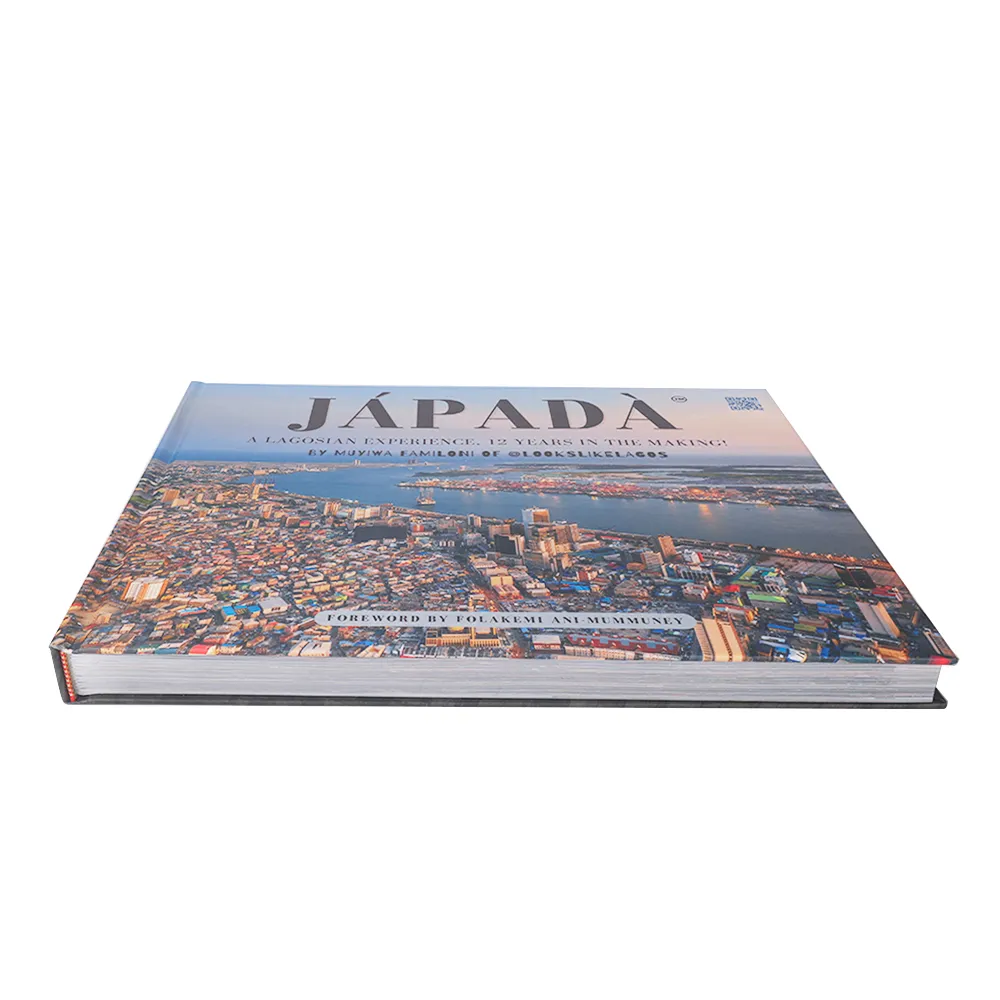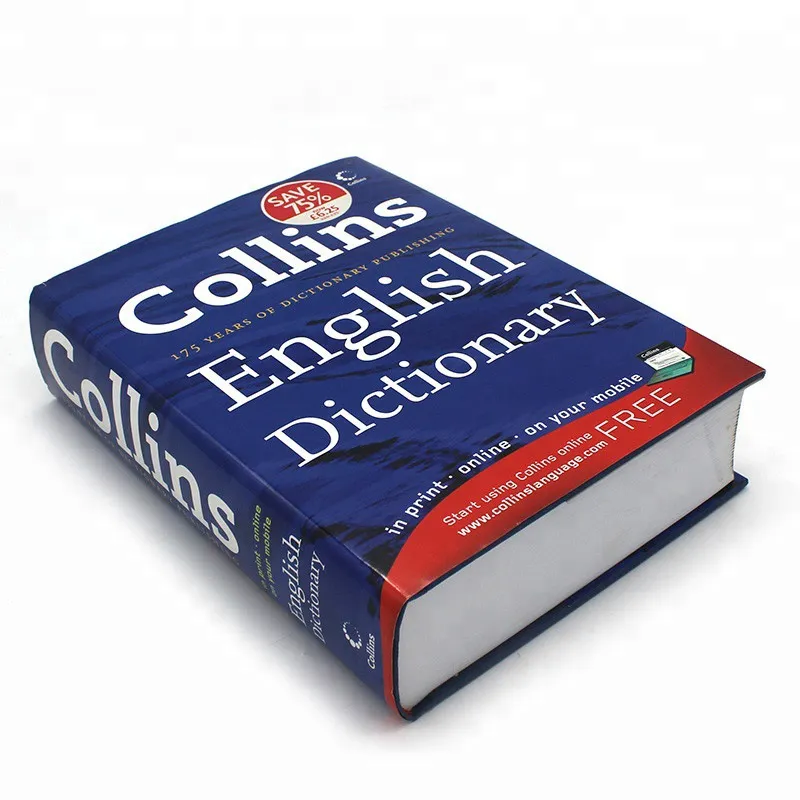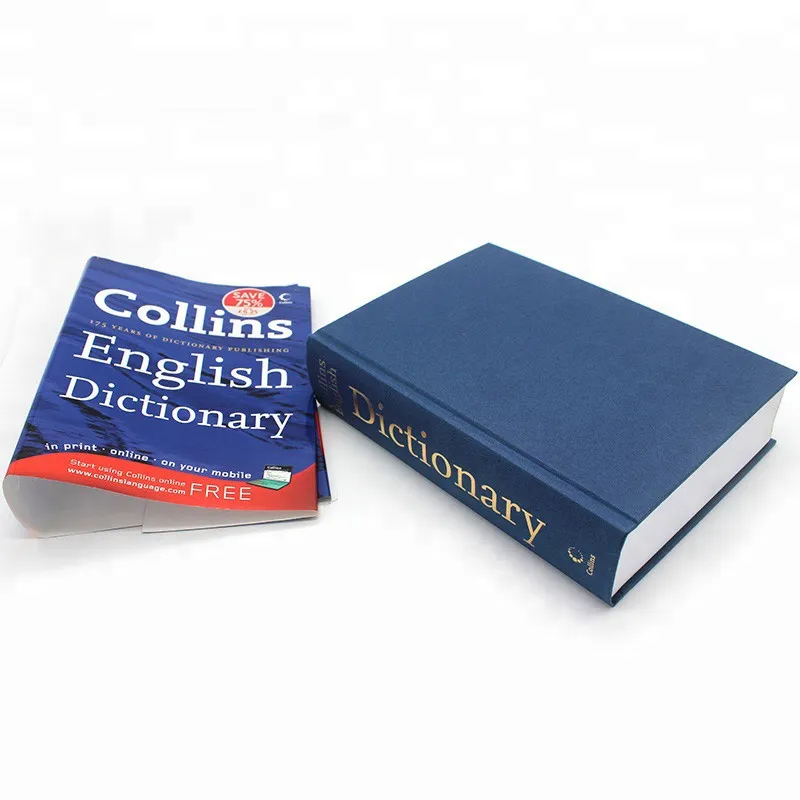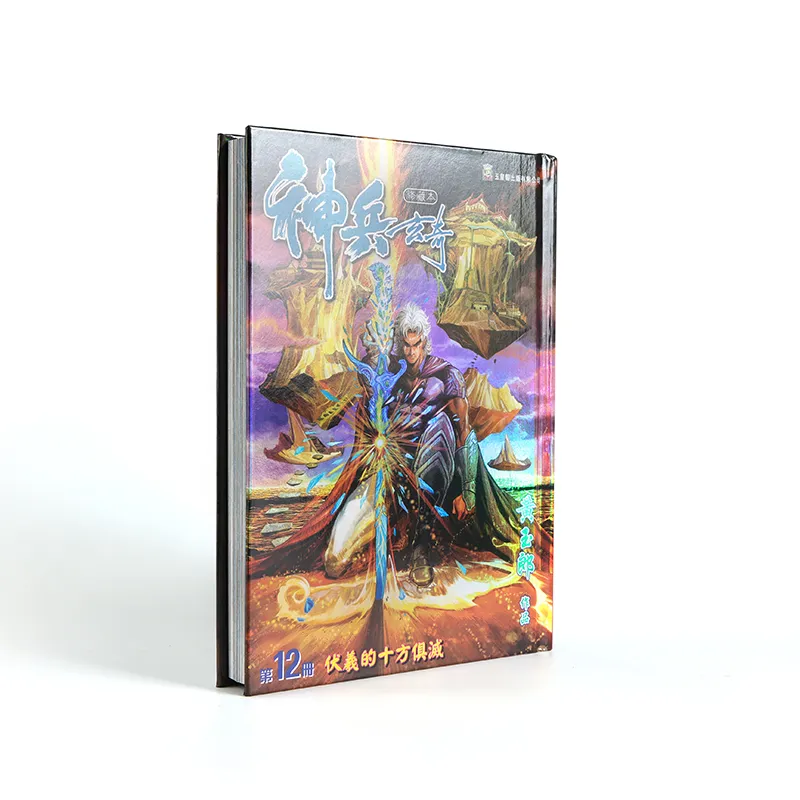
A Coffee Table Book Is Not Just a Big Book — It Is a Physical Statement
The difference between a trade paperback and a coffee table book hits you the second you pick one up. A paperback fits in one hand. A coffee table book demands both. A paperback gets stacked horizontally on a shelf. A coffee table book gets displayed face-out on a table, its cover doing the kind of silent marketing no ad campaign can replicate. A paperback costs $15 and readers expect two hours of entertainment. A coffee table book costs $45–85 and buyers expect it to last a decade.
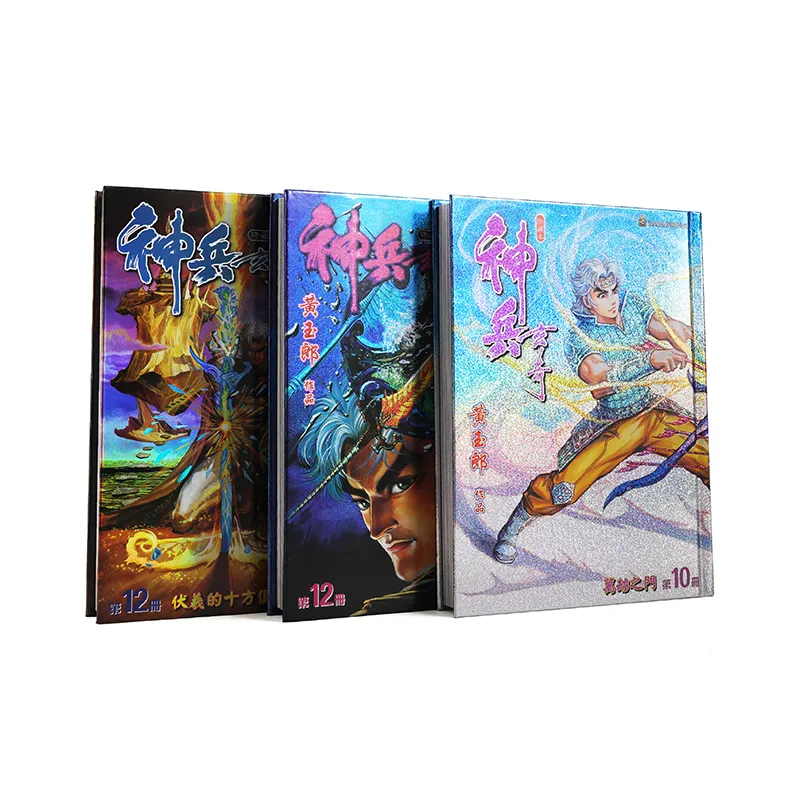
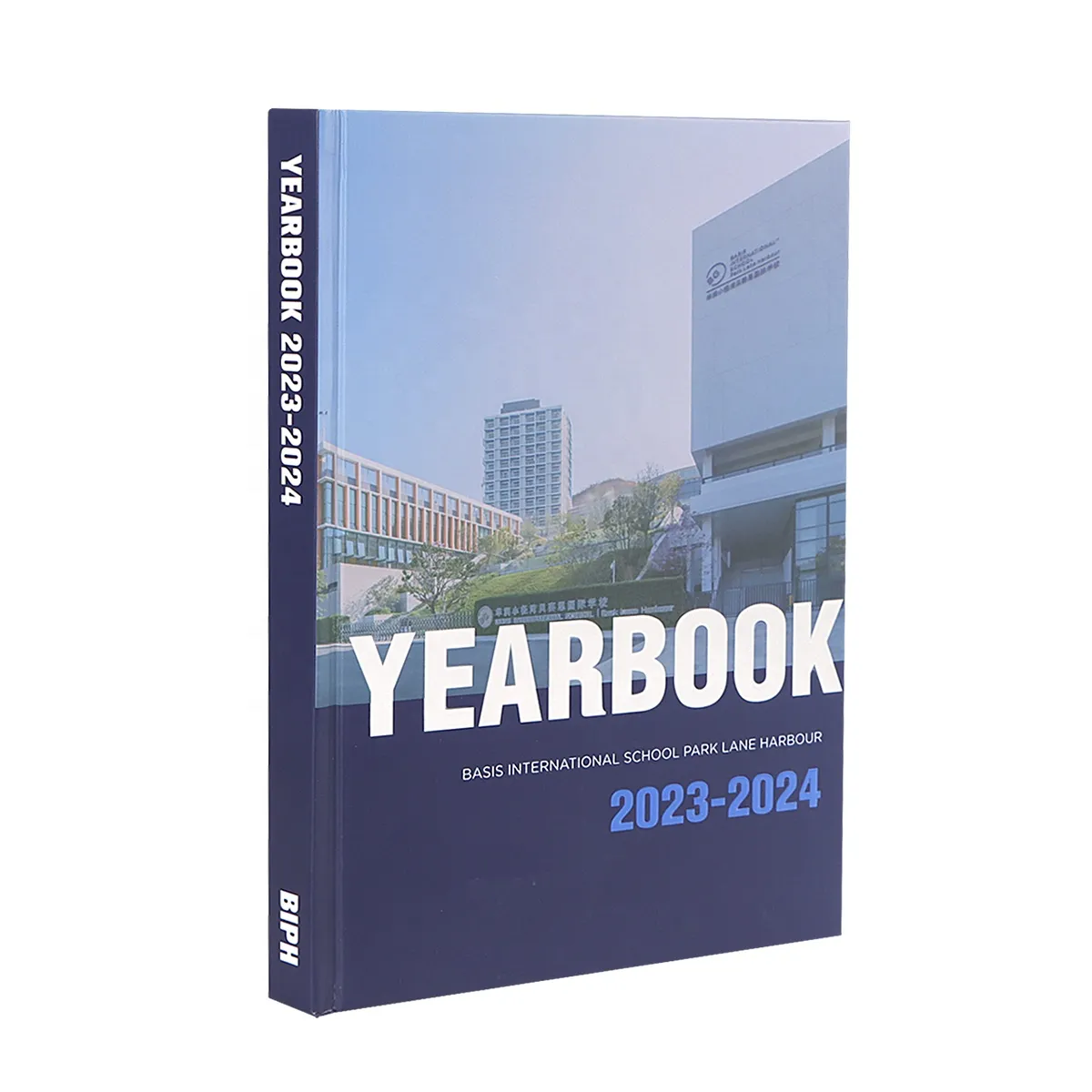
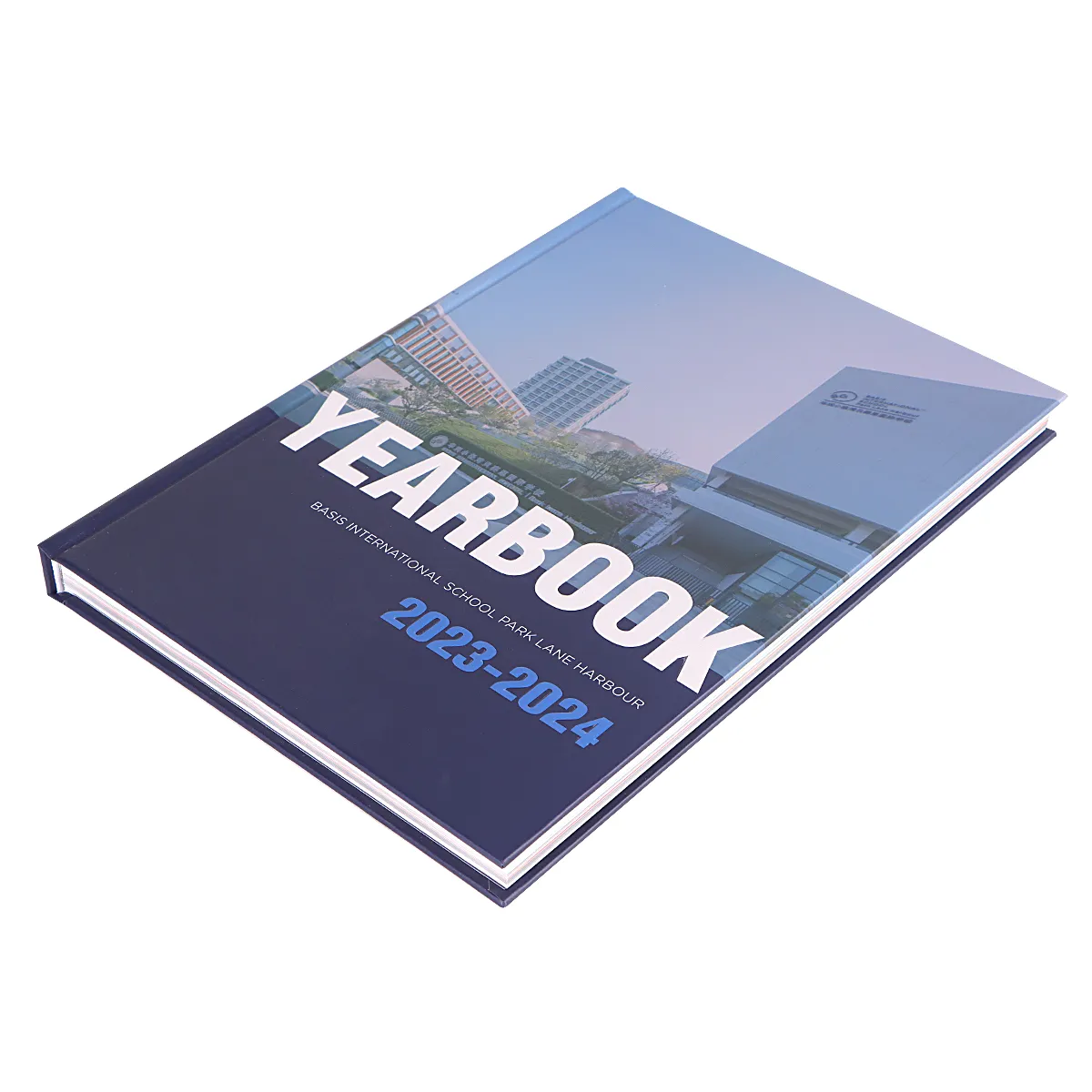
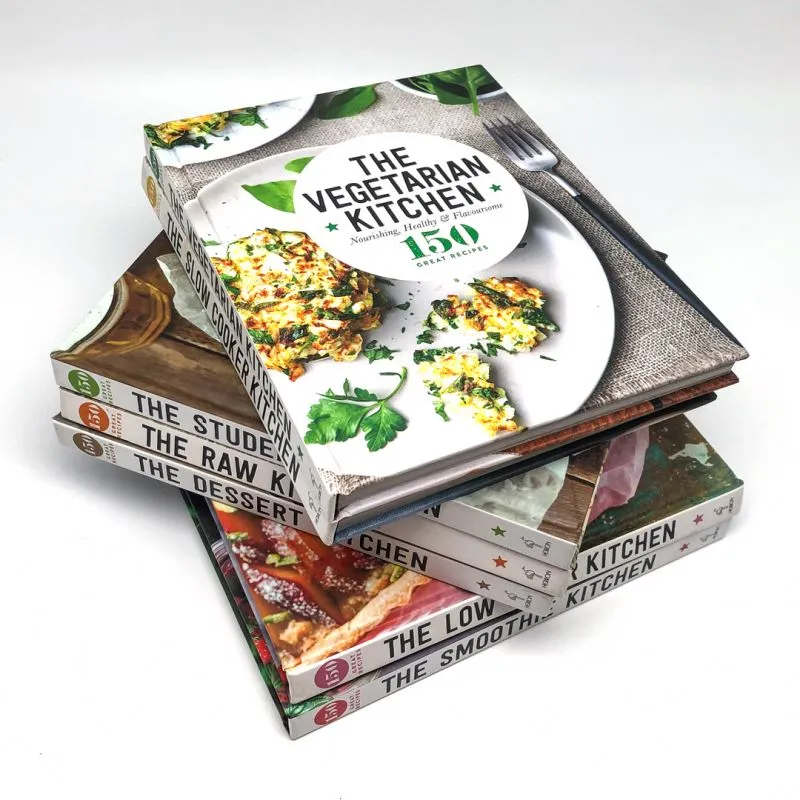
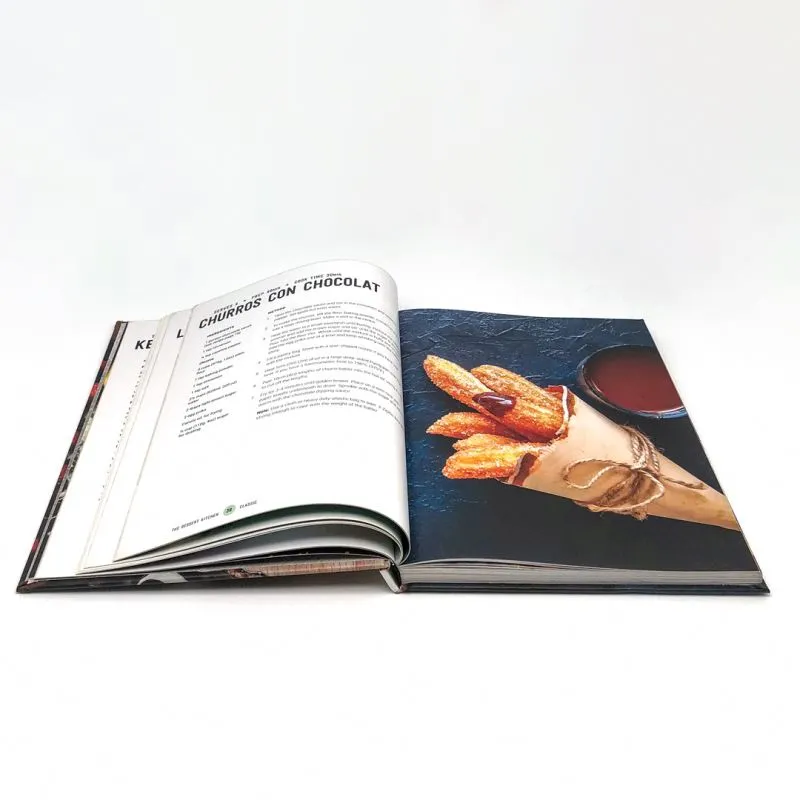
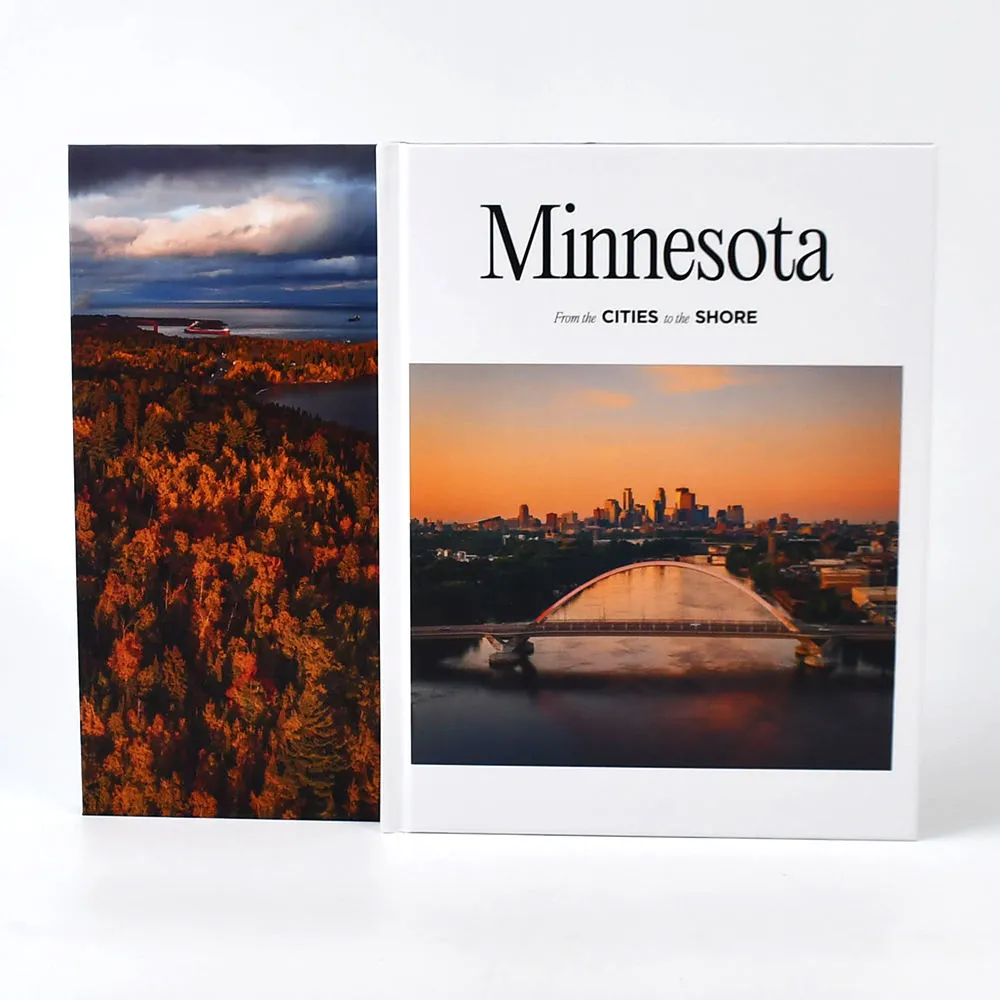
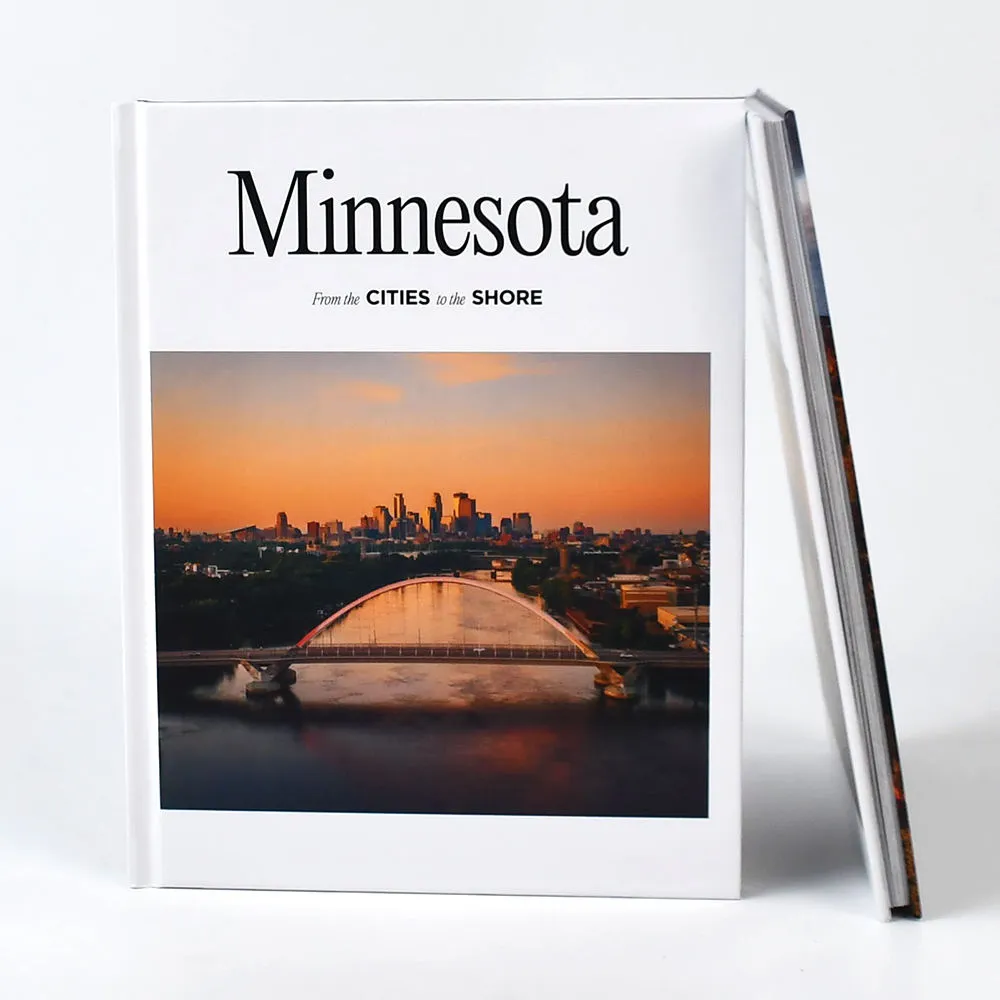
None of this is accidental. A coffee table book is designed for display, not just reading. The size — oversized, heavy, imposing — is the first signal. The paper — thick, coated, opaque — is the second. The cover — hardbound, often wrapped in linen or a dust jacket with foil-stamped type — is the third. Every material decision reinforces the same message: this object matters. It belongs where people can see it.
If you are commissioning a coffee table book — whether as a photographer’s retrospective, a fashion house lookbook, a travel publisher’s destination volume, or a corporate anniversary piece — the printing decisions are different from any other book category. The standards are higher because the expectations are higher. A hair-thin white edge at the trim line that nobody notices on a paperback is a defect on a $65 coffee table volume. A slightly off-register color plate that reads as “artistic” in a zine reads as “cheap” in a 12″ × 12″ hardcover. Printing a coffee table book in China — where the combination of skilled hand-binding labor and industrial-scale offset capacity makes the economics work — has become the default route for most independent and mid-size publishers. But the spec decisions have to be dialed in before plates are made.
This guide walks through every one of those decisions: format dimensions, paper stock, hardcover binding and cover design, and real production cost breakdowns at 500, 1,000, and 2,000 copies. No marketing fluff. Just what you need to spec a coffee table book that looks and feels like it cost what it actually cost.
What Size Makes a Coffee Table Book?
Size is the defining physical characteristic of a coffee table book. Walk through the art and design section of any bookstore and you will see a collection of rectangles and squares, none of them small. The formats are not random. Each creates a specific viewing experience and carries specific production implications.
The Classic Square: 10″ × 10″ and 12″ × 12″
The square coffee table book is the category’s default silhouette. A 10″ × 10″ format is large enough to feel substantial on a table but small enough to pick up and page through without awkwardness. It works for photography books, art monographs, interior design portfolios, and corporate anniversary volumes — any project where the images need room to breathe without the format itself becoming the story.
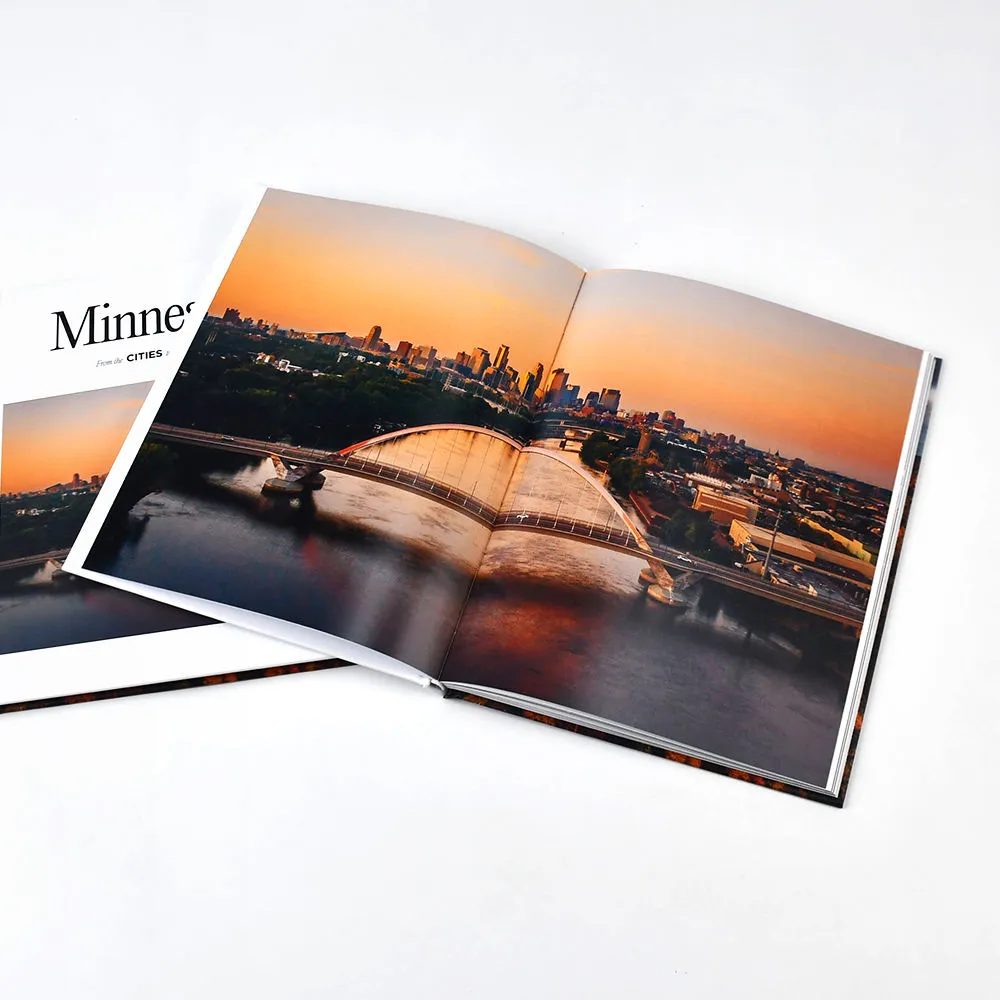
A 12″ × 12″ format is the next step up — a true statement size. At this dimension, a single full-bleed image fills 288 square inches. A crossover spread fills 576. The visual impact is considerable, but so is the weight: a 200-page 12″ × 12″ book on 200 gsm coated paper weighs roughly 4.5–5.5 kg (10–12 lbs). Shipping costs scale accordingly. For a book that will be displayed and occasionally browsed, 12″ × 12″ makes a powerful impression. For a book that needs to be picked up and handed around, 10″ × 10″ is more practical.
Square books also present a paper-efficiency trade-off. Offset presses print on rectangular sheets — typically 25″ × 38″ or 28″ × 40″ — and a square trim wastes more of that rectangle than a proportional rectangular trim. The waste translates to roughly 5–8% higher paper cost per copy compared to an equivalent-page-count rectangular book. For a print run of 1,000 copies, that is not deal-breaking. For 5,000, it adds up.
Portrait and Landscape Oversized: 9″ × 12″, 11″ × 13″, 13″ × 11″
Portrait-format coffee table books — 9″ × 12″ being the most common — mirror the proportions of single-subject photography. A vertical composition fills the page naturally. The book feels balanced in the hand, shelves normally (though it will stick out past standard 10″ shelf depth), and costs less to ship than a square book of equivalent area because the dimensions pack more efficiently in standard export cartons.
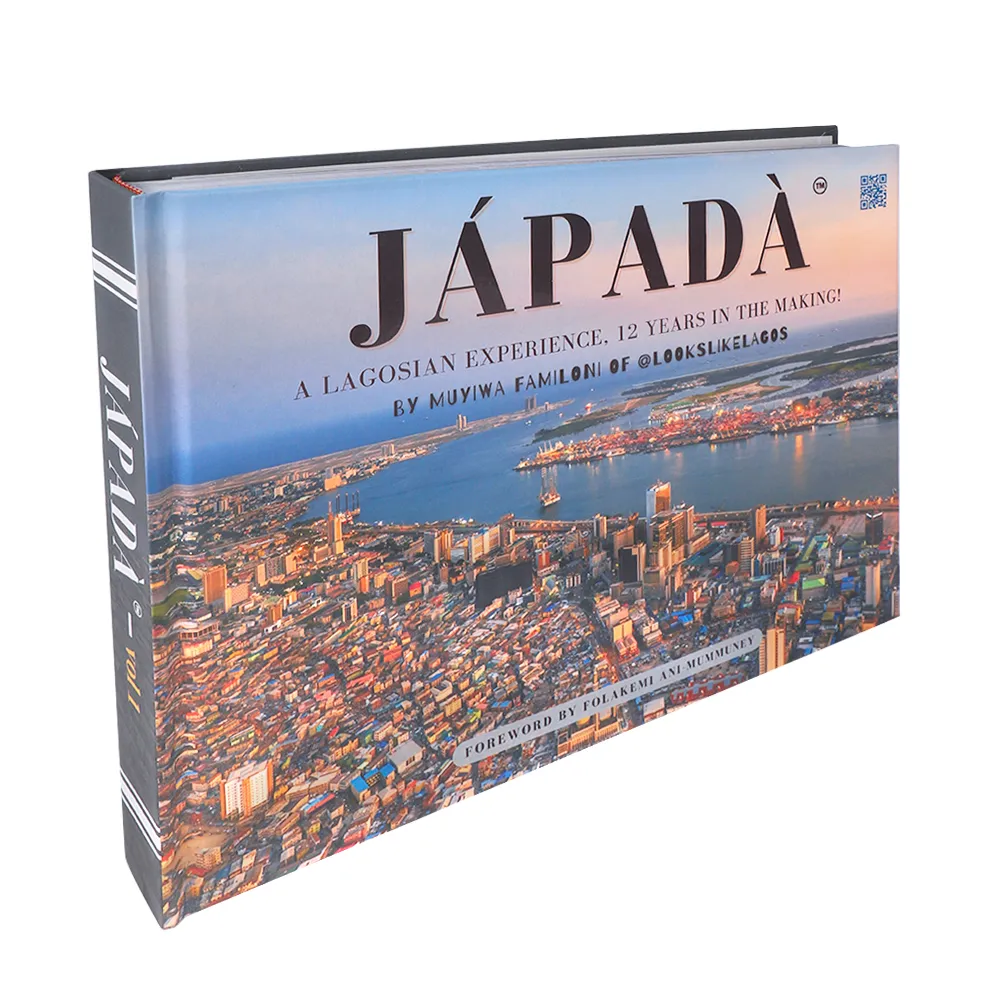
Landscape-format books — 11″ × 13″, 13″ × 11″, or wider panoramic proportions — create a cinematic viewing experience. A landscape spread across two 13″ pages gives you 26″ of horizontal image real estate. This is why landscape dominates in travel photography, architecture, and panoramic landscape work. The binding note that matters: landscape large format book printing puts leverage against the spine hinges when the book is opened. A landscape coffee table book really needs Smyth-sewn hardcover binding — perfect-bound landscape hardcovers develop spine cracks at the head and tail within months because the wide page block stresses the glue line unevenly. For more on binding construction, see our hardcover binding guide .
For a comprehensive reference on trim sizes across markets and categories, our book printing sizes guide covers standard dimensions by region and genre.
Paper That Does Justice to Large Images
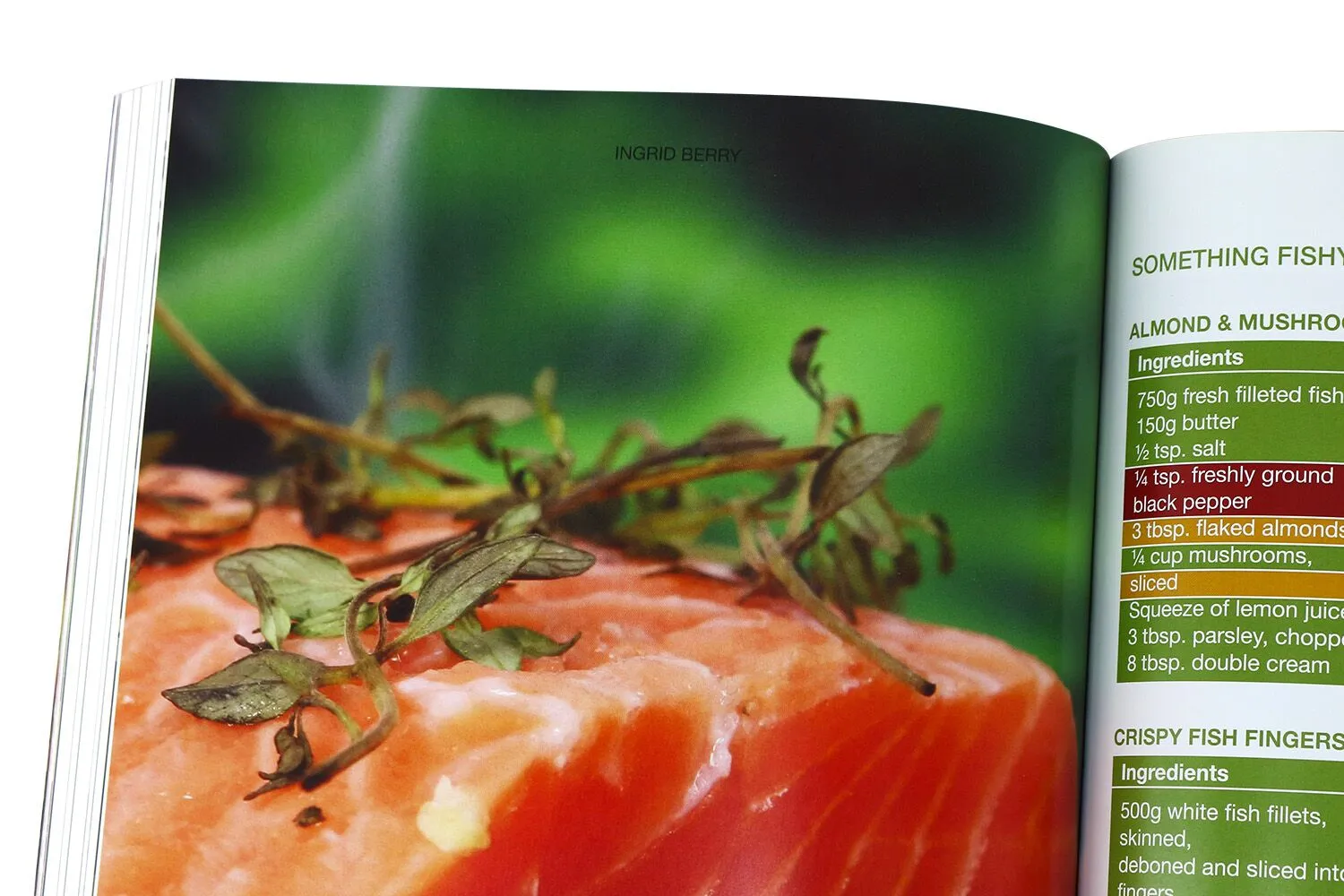
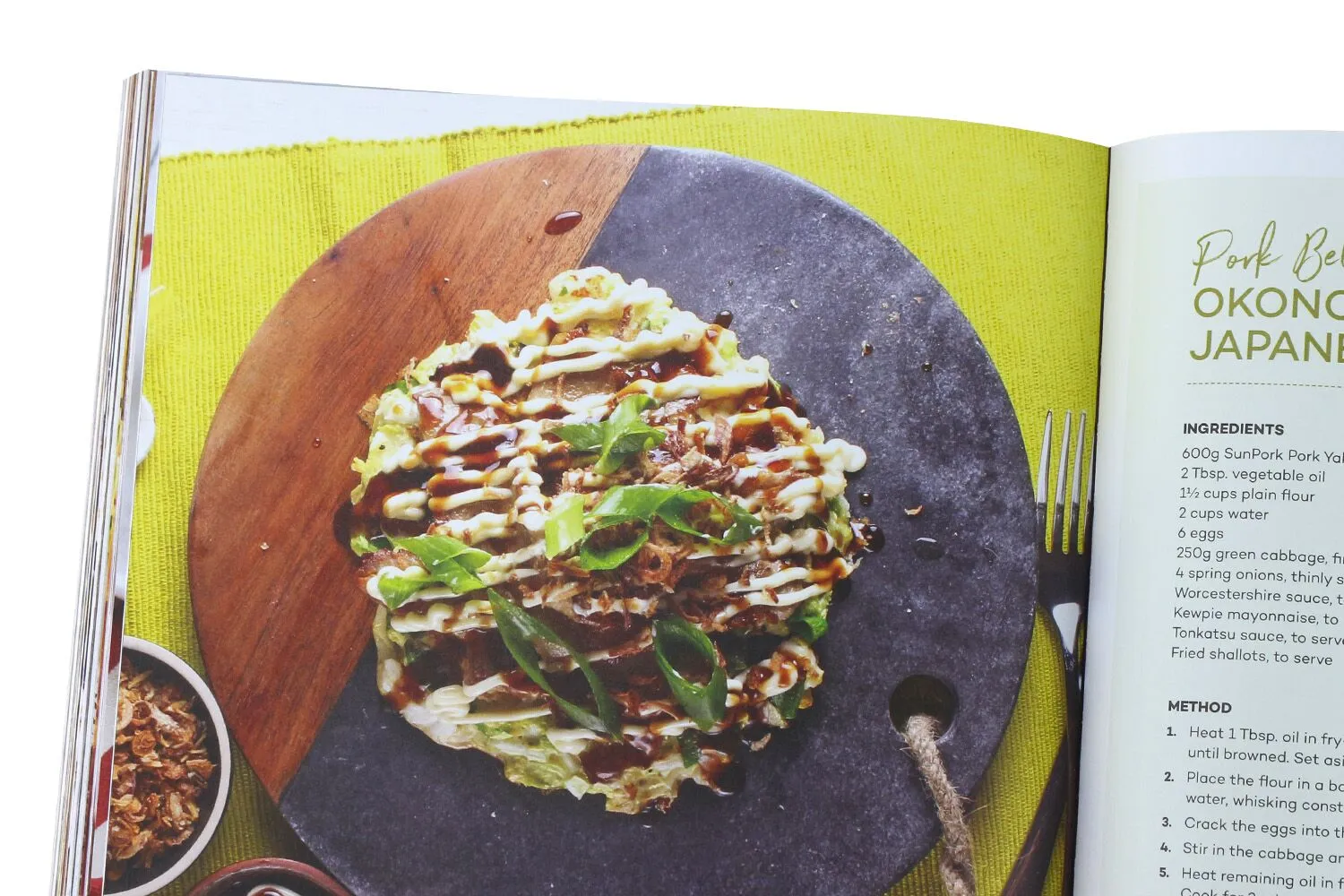
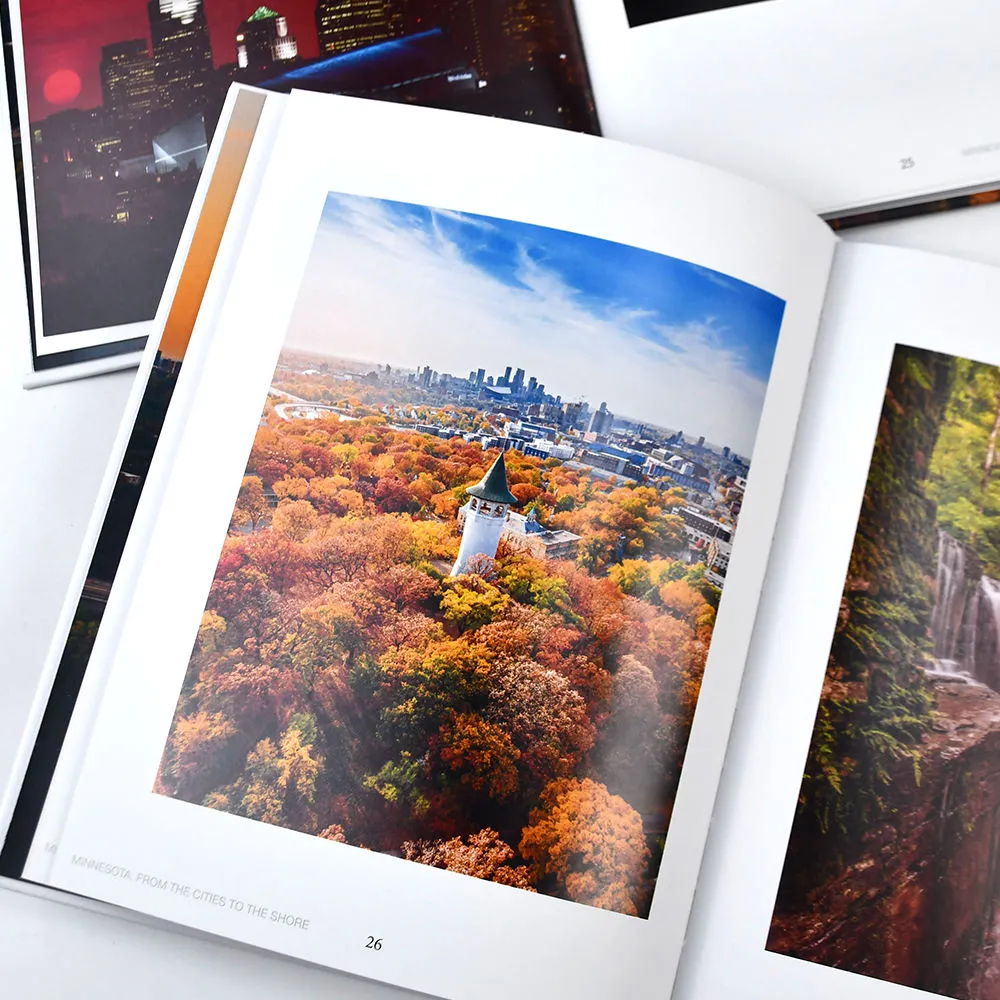
On a 10″ × 10″ page, a full-bleed photograph covers 100 square inches. At that scale, paper quality is not subtle. Thin stock shows through from the reverse page. Uncoated paper dulls color saturation and softens fine detail — acceptable for text, disastrous for a landscape photograph where the eye expects sharpness from foreground to horizon. The paper in a coffee table book has to do three things simultaneously: hold color with gallery-level fidelity, stay opaque enough that reverse-page images do not ghost through, and contribute enough heft that the book feels worth its price.
Coated Art Paper — The Baseline You Should Not Go Below
Coated art paper is the floor for any coffee table book with photography, illustration, or full-color design. The mineral coating seals the paper surface so ink sits on top rather than absorbing into fiber. The result is sharper halftone dots, higher contrast, and a wider color gamut. Uncoated paper simply cannot deliver equivalent image quality — the color gamut compression is 20–30%, and fine detail in shadows and highlights gets swallowed by dot gain.
Three weights matter for coffee table books. 157 gsm is the practical minimum — at this weight, show-through from the reverse page is minimal on most coated stocks, the page has enough opacity for full-bleed images, and the book is not excessively heavy. It is the standard for mid-range coffee table books, corporate lookbooks, and travel photography volumes at accessible price points.
200 gsm is the professional standard for high-end photography books, art monographs, and fashion house volumes. Show-through is effectively zero. The page has noticeable heft — a 200-page book on 200 gsm stock feels dense and substantial in a way that 157 gsm cannot match. The per-copy material cost increases roughly $1.20–1.80 over 157 gsm, but the perceived quality gap is immediately obvious to anyone who picks up both books side by side.
250–300 gsm is the gallery-print weight, reserved for the highest-end limited editions, museum catalogs, and luxury fashion volumes. Each page feels like a card. The book becomes physically imposing — a 150-page book on 300 gsm stock is nearly two inches thick. At this weight, you are making a statement about exclusivity as much as image quality. The cost premium is significant: roughly $2.00–3.00 per copy over 200 gsm, plus higher shipping weight and potentially different binding requirements (the thicker pages may require different hinge construction).
For a detailed breakdown of coated paper types, finishes, and C1S vs C2S specifications, our coated paper guide covers the full range.
Gloss vs Matte — A Decision Your Images Make, Not You
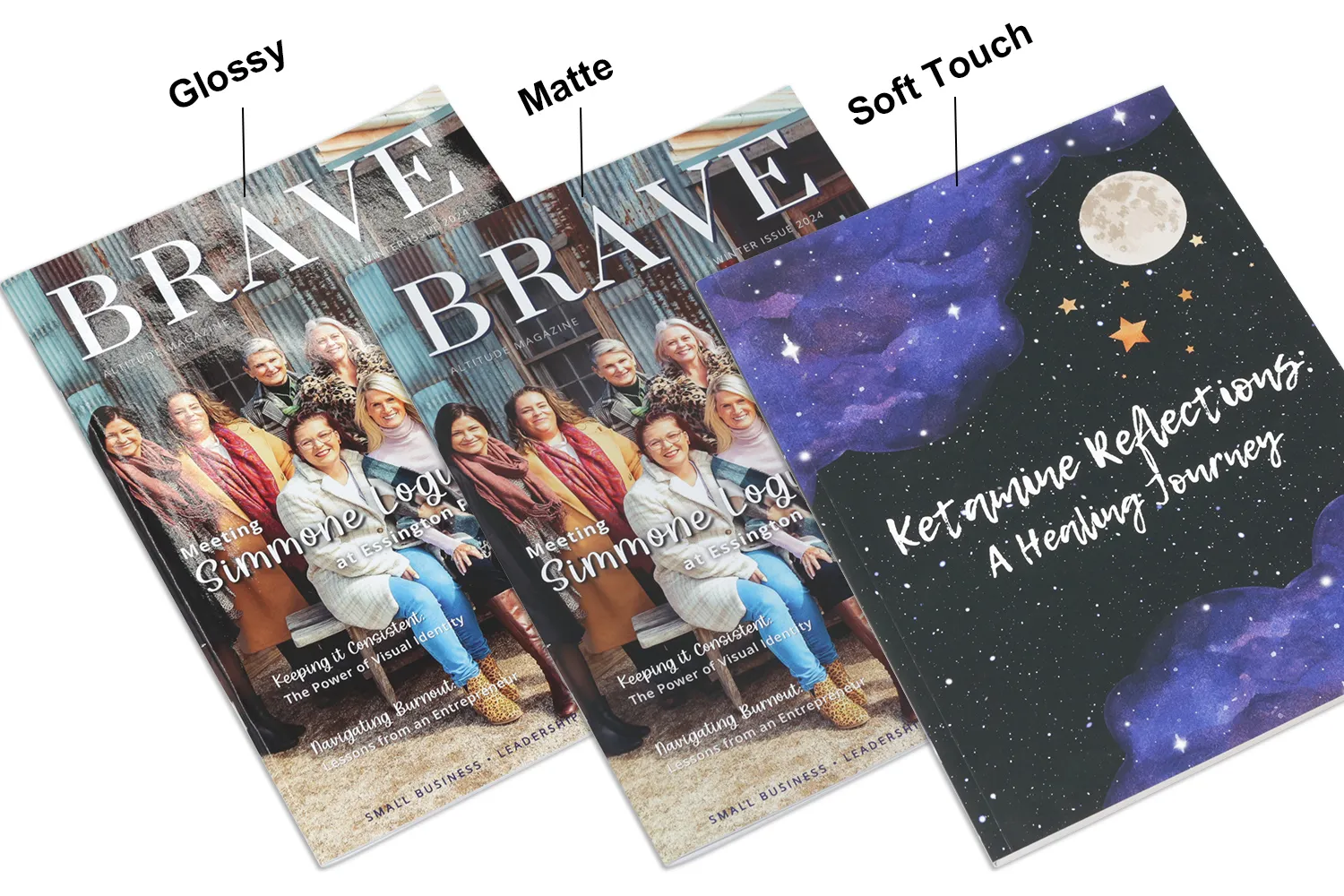
Gloss coated paper delivers the highest D-max (the deepest black the paper can achieve) and the widest color gamut. For photography books, fashion lookbooks, and travel volumes where color saturation and shadow detail are primary, gloss is the standard. The trade-off: gloss reflects ambient light. Under a living room pendant light or near a sunny window, a gloss page can become a mirror. If the book will be displayed and browsed primarily in well-lit spaces, matte coated paper eliminates the glare problem while still delivering roughly 85–90% of the color gamut of gloss.
For monochrome photography, matte coated paper often looks better than gloss — the slightly softer tonal transition flatters black-and-white images in a way that the harder contrast of gloss can feel clinical. For paintings and illustration reproductions, matte also tends to read more naturally because it mimics the light-diffusing surface of canvas or paper better than a glossy sheet.
Weight and Shipping — The Hidden Cost of Heavy Paper
A 200-page 12″ × 12″ coffee table book on 200 gsm coated paper weighs roughly 4.5 kg (10 lbs). A 200-page equivalent on 157 gsm weighs roughly 3.6 kg (8 lbs). That 0.9 kg difference per book, multiplied by 1,000 copies, is 900 kg (nearly 2,000 lbs) of additional freight weight. Ocean freight from Shanghai to Los Angeles for that extra ton costs roughly $150–250. Air freight for the same weight adds $3,000–4,500. The paper weight decision cascades into every shipping and logistics line item. Factor it into your budget from the start rather than being surprised by the freight invoice.
Hardcover Binding for Display
A coffee table book with a softcover is a contradiction in terms. The book sits on a table. It gets picked up, opened, displayed, handed to guests, put back down. The cover is the most handled surface — more than any page inside. A paperback cover creases. A hardcover board resists. It is that simple.
Smyth-Sewn Case Binding — The Construction That Lasts
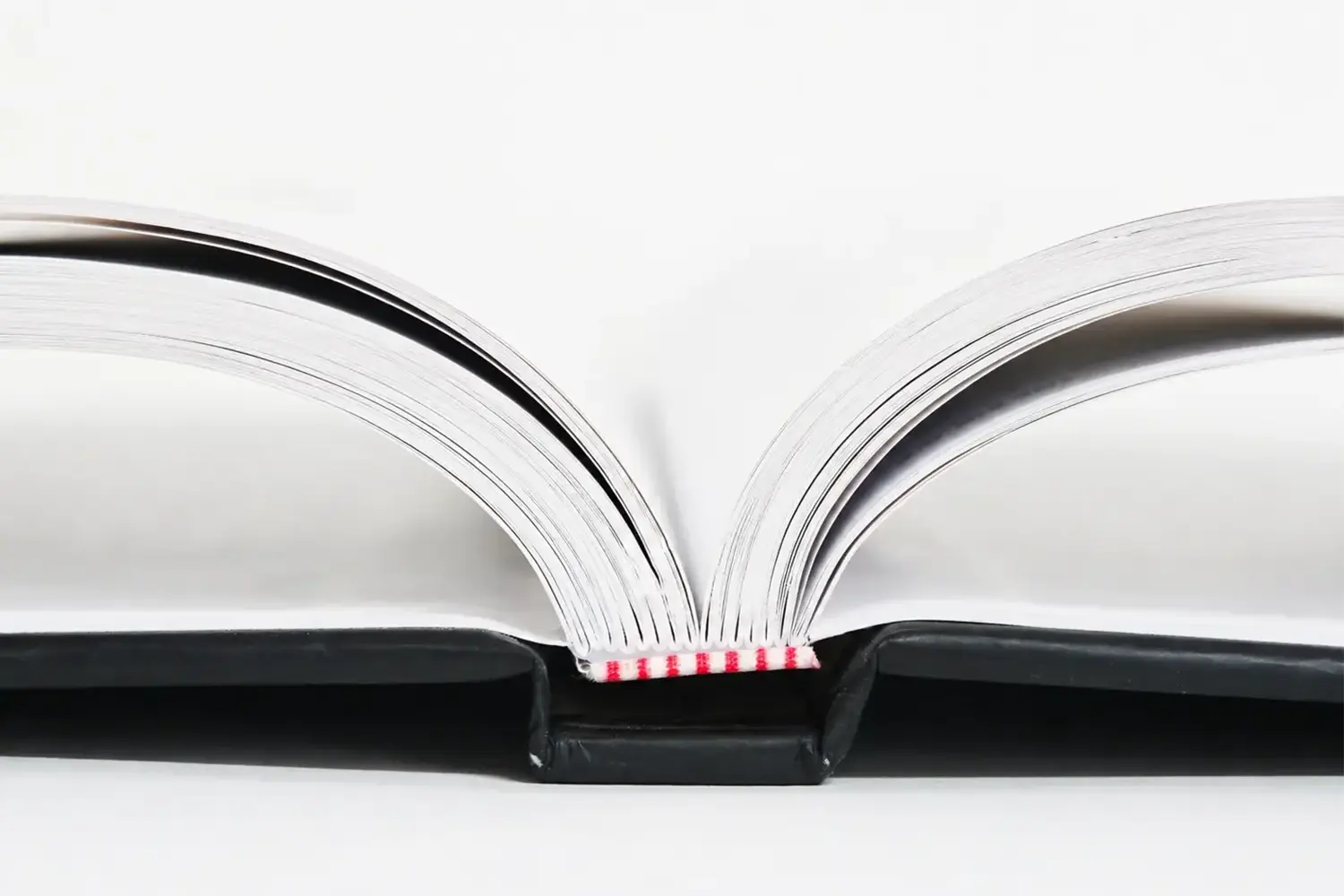
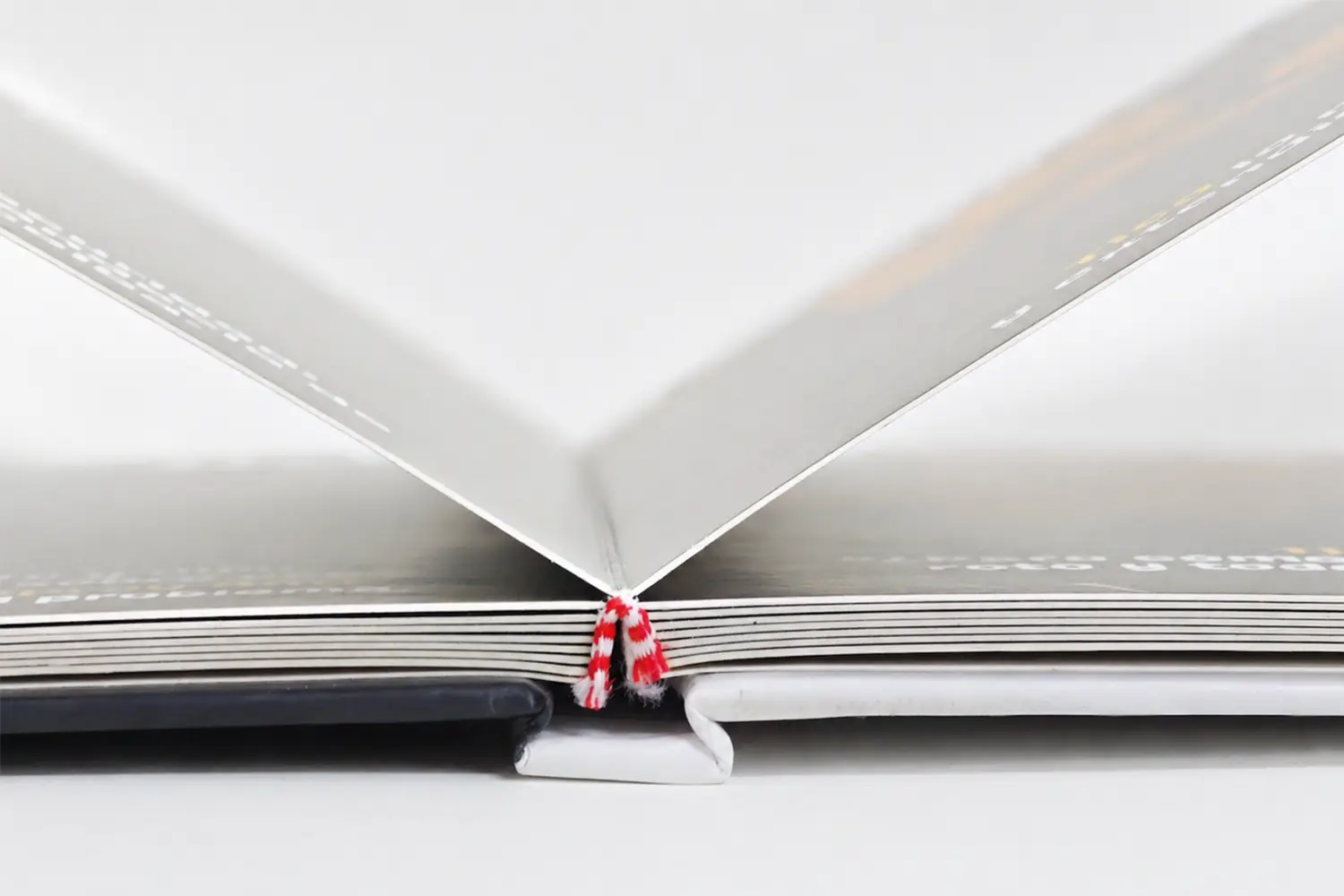
Smyth-sewn case binding is what separates a coffee table book that lasts 30 years from one that starts falling apart after three. The process: printed sheets are folded into signatures (groups of 8, 16, or 32 pages), sewn together through the fold with high-tensile thread, reinforced with a mesh strip along the spine, then cased into a rigid cover made of greyboard wrapped in cloth or printed paper. The sewing creates a flexible hinge at each signature, which means the book opens relatively flat and distributes opening stress across the entire spine rather than concentrating it at a single glue line.
Two construction details matter for coffee table books specifically. First, the hinge score — the groove pressed into the cover board about 5–8 mm from the spine — must be deep enough and wide enough for the book to open without the cover board fighting back. A hinge that is too shallow or too narrow makes the book resist opening, which frustrates the reader and stresses the endpaper bond. For books over 2 kg, the hinge score should be at least 8 mm wide and pressed to a depth of roughly 1.5 mm into a 2.5 mm greyboard. Underspecified hinges are the most common structural failure in heavy coffee table books.
Second, the endpapers — the sheets connecting the book block to the case — must be at minimum 140 gsm stock, and for books over 3 kg, 170–200 gsm is safer. Endpaper failure (tearing at the hinge) is catastrophic and irreparable. A $0.08 per-copy upgrade to heavier endpapers prevents a failure that makes the entire book unusable. For a comprehensive comparison of hardcover versus softcover construction and costs, our hardcover vs paperback guide covers every binding variant in detail.
Head and Tail Bands, Ribbon Markers, and Signature Details
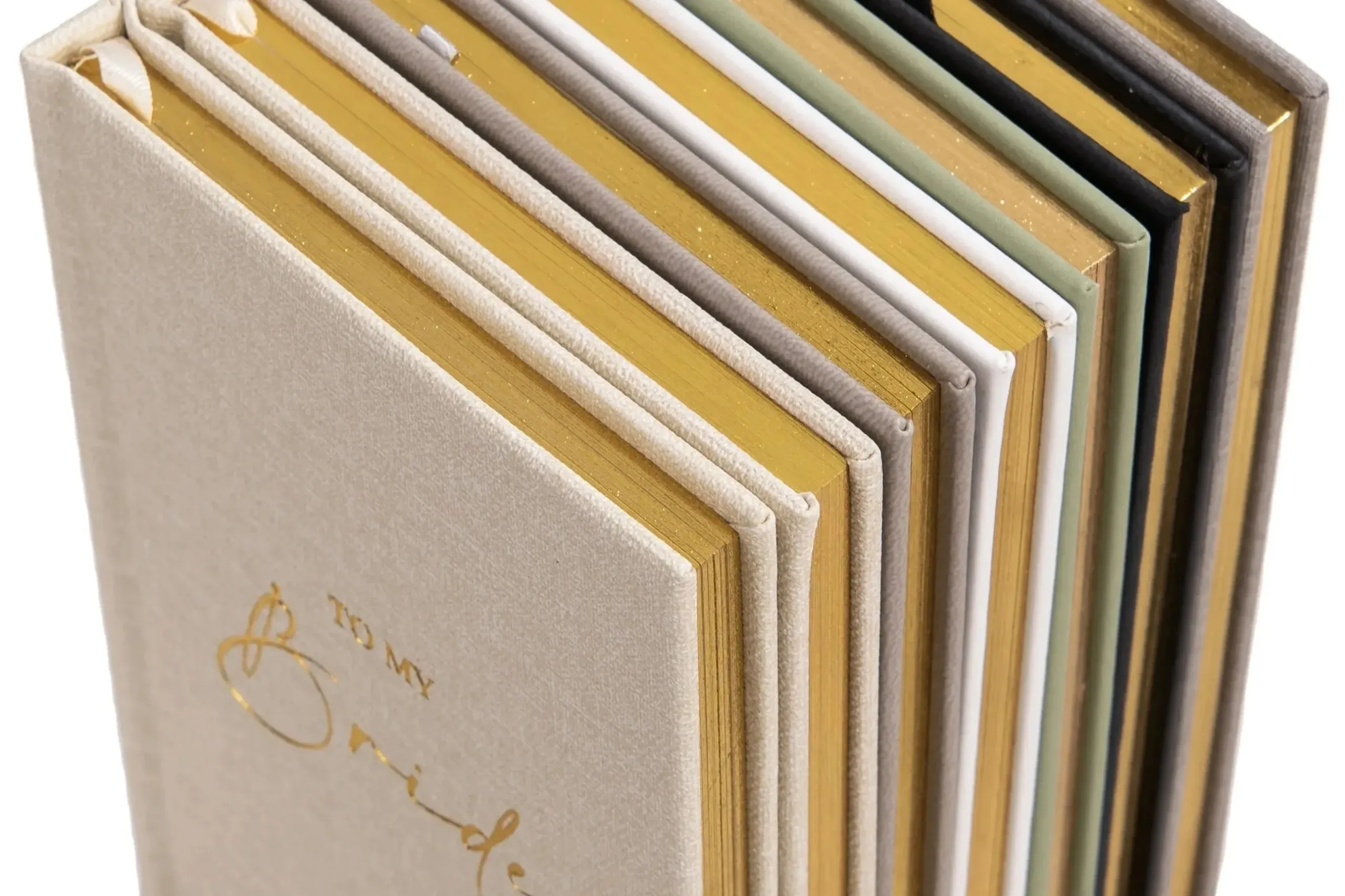
Head and tail bands — the small fabric strips at the top and bottom of the spine — are decorative in modern binding (the structural reinforcement is done by the mesh strip underneath), but they are expected on any coffee table book priced above $40. White headbands cost roughly $0.08–0.12 per book. Colored bands matched to the cover or endpaper color cost slightly more. Omitting them shaves pennies per copy and signals cost-cutting to anyone familiar with book construction.
A sewn-in ribbon marker costs $0.10–0.18 per copy. For a book that readers will browse in sessions rather than read cover to cover — which describes every coffee table book — a ribbon marker is a small, functional touch that readers notice and appreciate.
Cover Design: Dust Jacket vs Case Wrap
The cover of a coffee table book makes a first impression from across the room, before anyone picks it up. Two approaches dominate, and the choice is not just aesthetic — it changes the manufacturing cost, the display behavior, and how the book ages.
Dust Jacket — The Traditional Gallery Standard
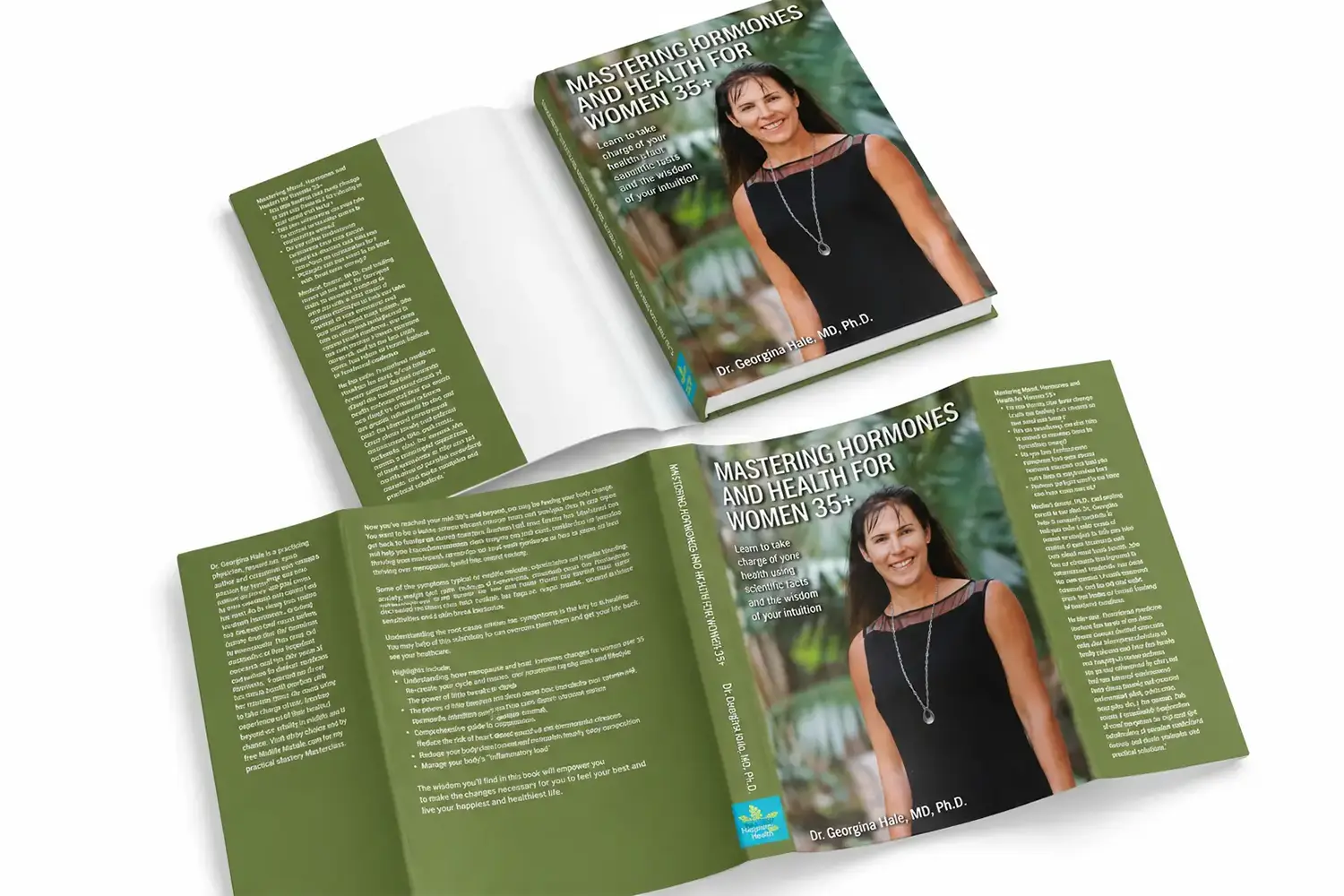
A dust jacket hardcover uses a cloth or paper-wrapped case (the underlying hardcover) with a separate printed paper jacket that slides over the outside and folds flaps around the front and back covers. The jacket carries all the cover design, marketing copy, author bio, and ISBN barcode. The case underneath is usually plain cloth with a foil-stamped spine title — the permanent version of the book’s identity, visible even if the jacket gets lost or damaged.
Dust jacket construction costs $0.60–1.00 more per copy than case laminate (printed cover directly on the board) at most quantities. The additional cost comes from two manufacturing steps: the case must be wrapped in cloth or paper separately from the jacket printing, and the jacket itself needs to be printed, laminated, folded, and assembled. The upside: dust jackets allow more creative real estate. The flaps hold copy that would crowd the back cover. The jacket can use a different paper — 150–200 gsm coated stock with a matte or soft-touch laminate — that feels distinct from the book block paper. And a well-designed jacket protects the case underneath, so when the jacket inevitably shows wear after years of handling, the book itself remains pristine.
For a coffee table book that will be given as a gift, displayed on a prominent table, or positioned as a premium object, dust jacket construction is the standard. For more on lamination options that protect and enhance jacket designs, see our lamination finishes guide .
Case Wrap (Case Laminate) — Clean, Modern, Durable
Case laminate — also called printed case wrap or case-bound with printed cover — eliminates the separate jacket. The cover design is printed directly on paper that wraps around the greyboard and gets sealed under a laminate film. There is no jacket to tear, lose, or wrinkle. The cover art is permanent. This is the binding of choice for modern design books, architecture monographs, corporate volumes, and any coffee table book where a clean, uncluttered presentation is the goal.
Case laminate costs less than dust jacket construction — roughly $0.60–1.00 less per copy — and is more durable in regular handling because there is no removable component to damage. The trade-off: you lose the jacket flaps for copy and the layered, tactile richness of a cloth case with a separate jacket. For a visually bold book where the cover image is the main event, case laminate delivers impact at a lower cost. For a book where the tactile experience of unwrapping matters — think a fashion house monograph or a luxury hotel volume — dust jacket adds perceived value.
Foil Stamping, Embossing, and Spot UV on Covers
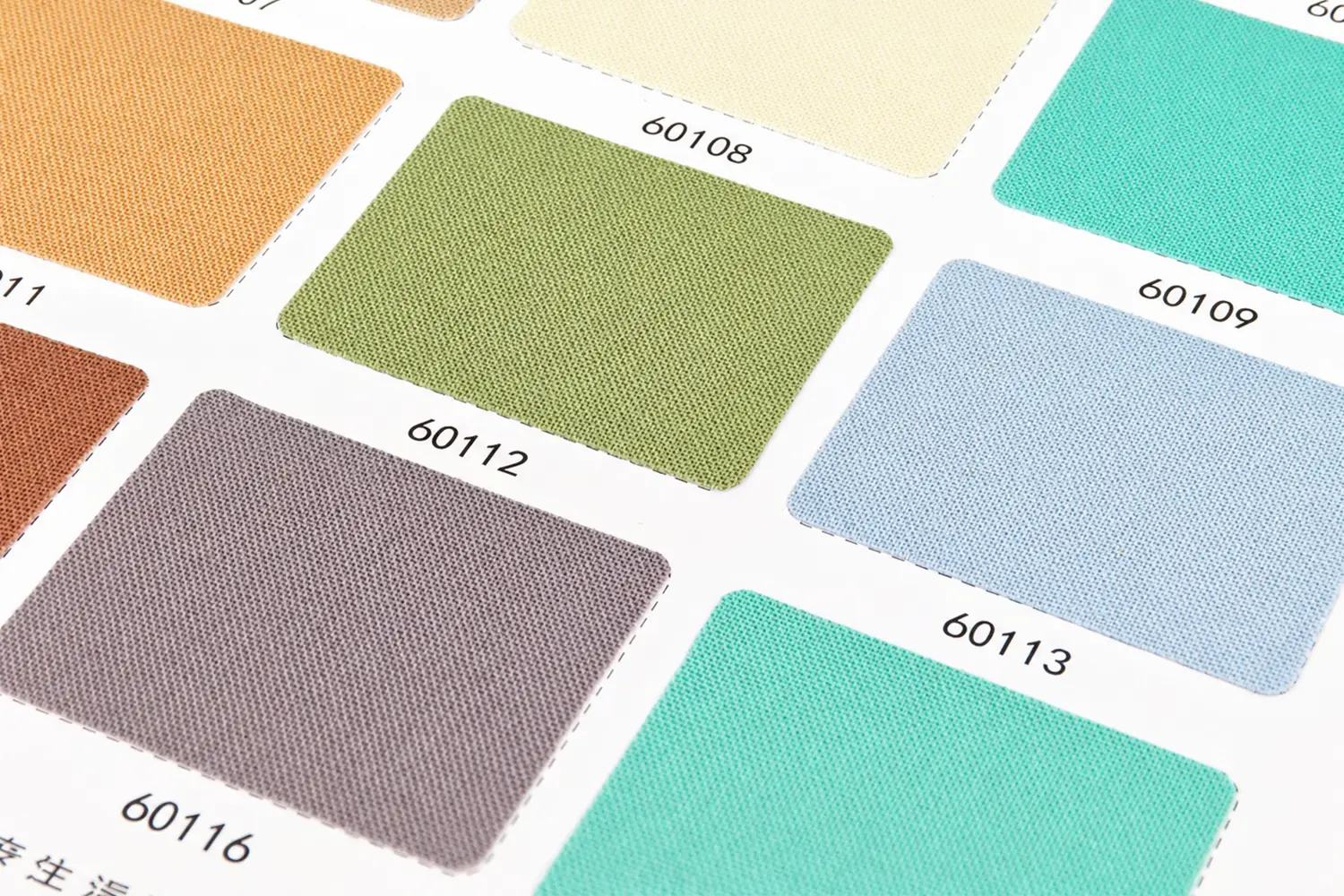
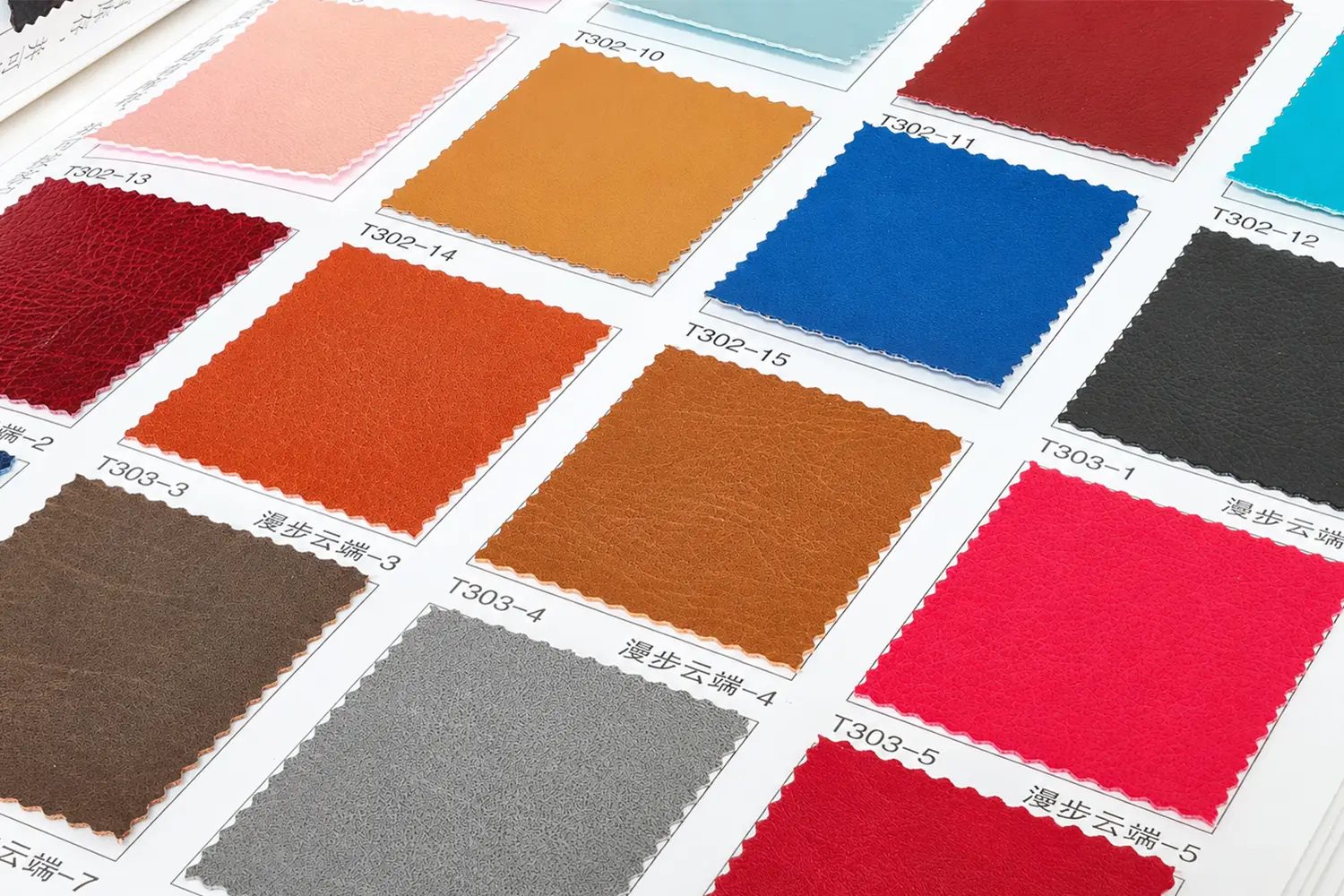
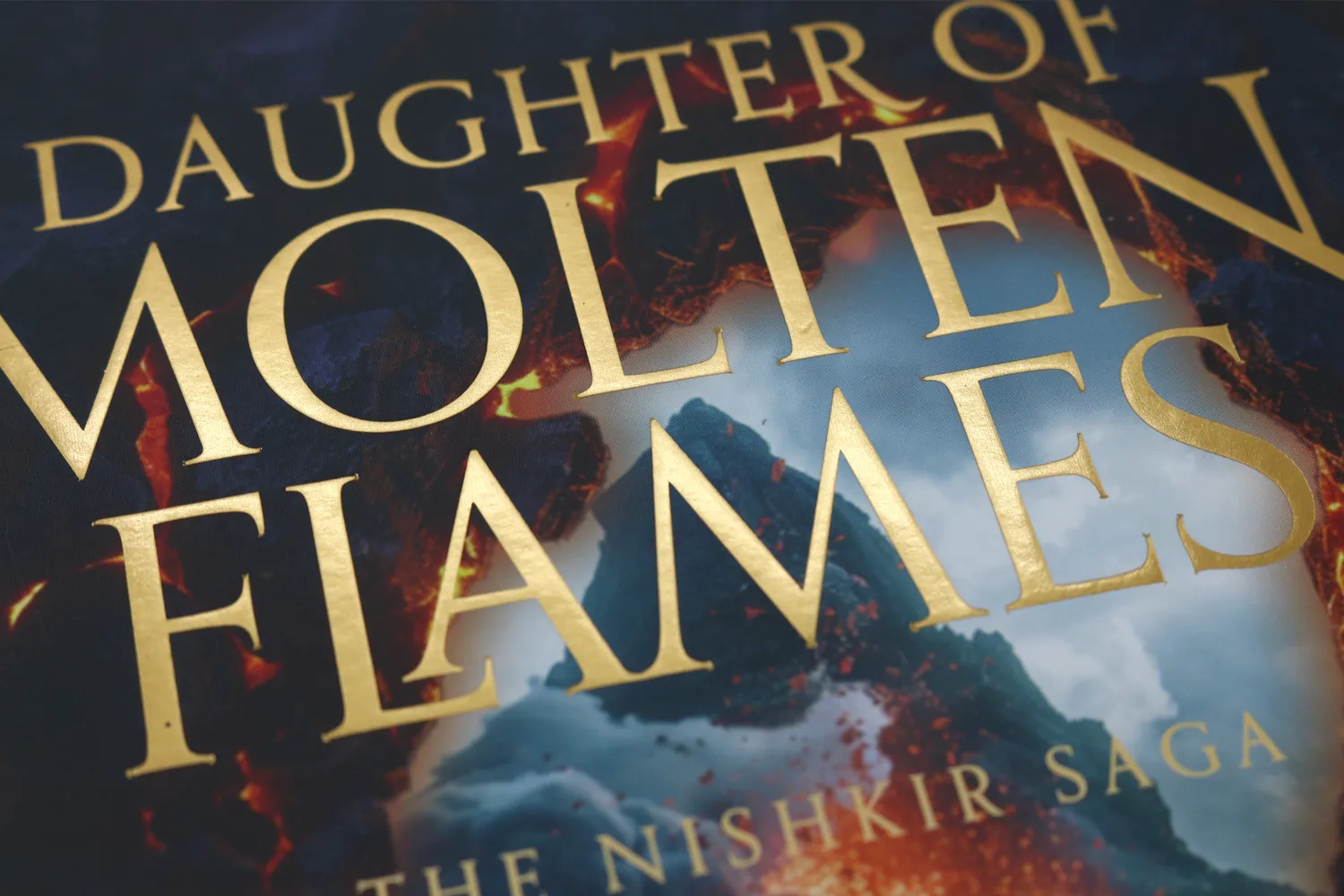
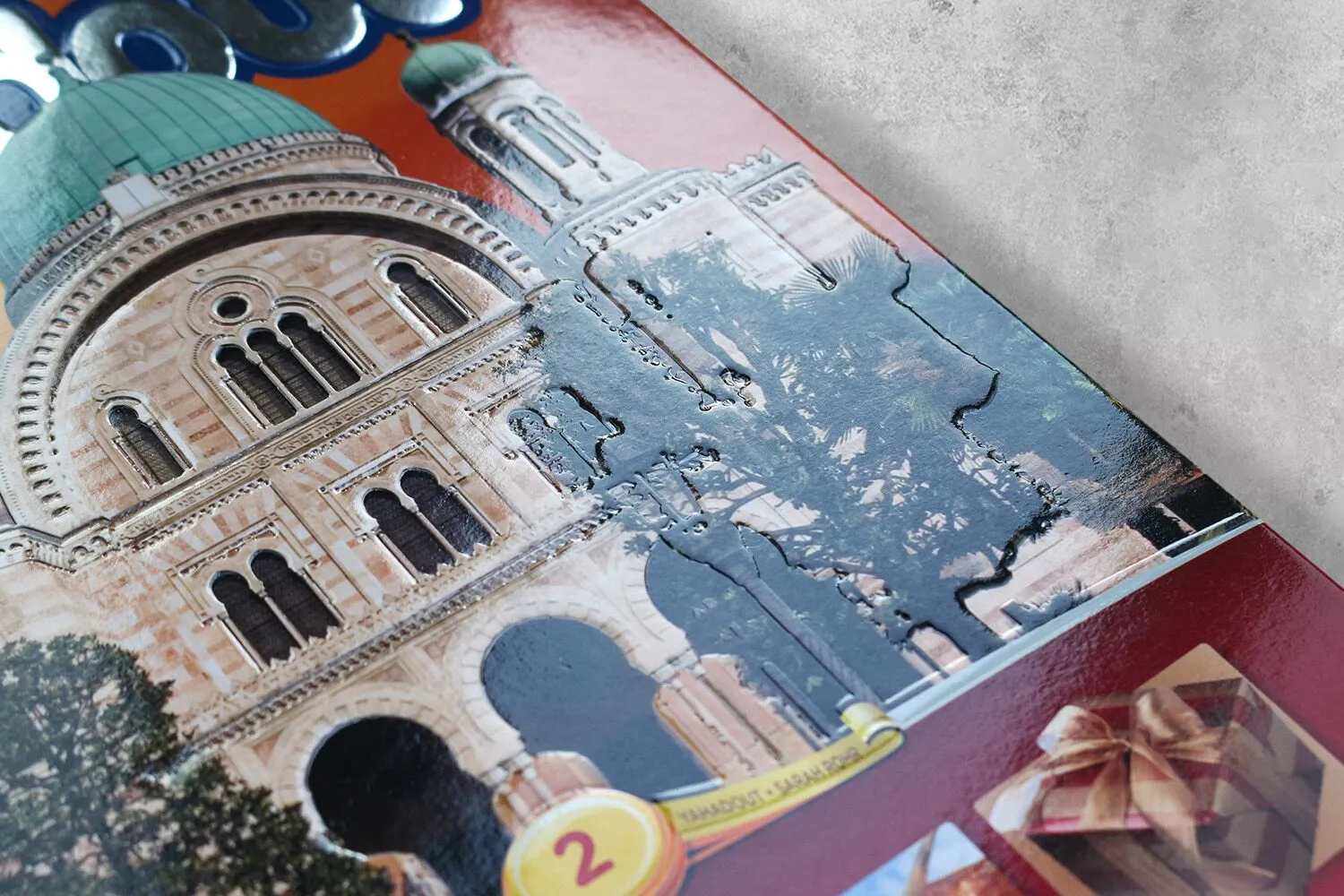
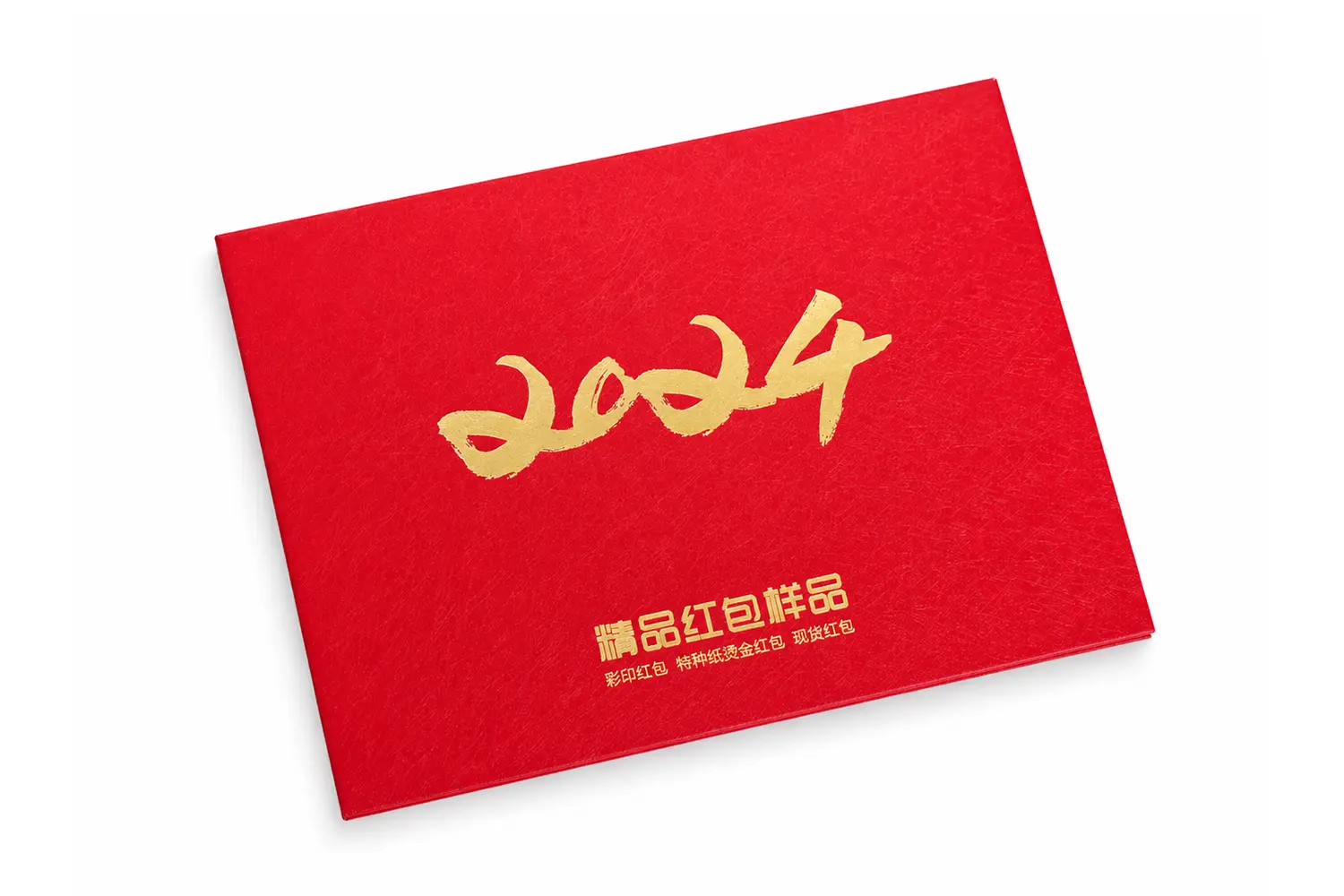
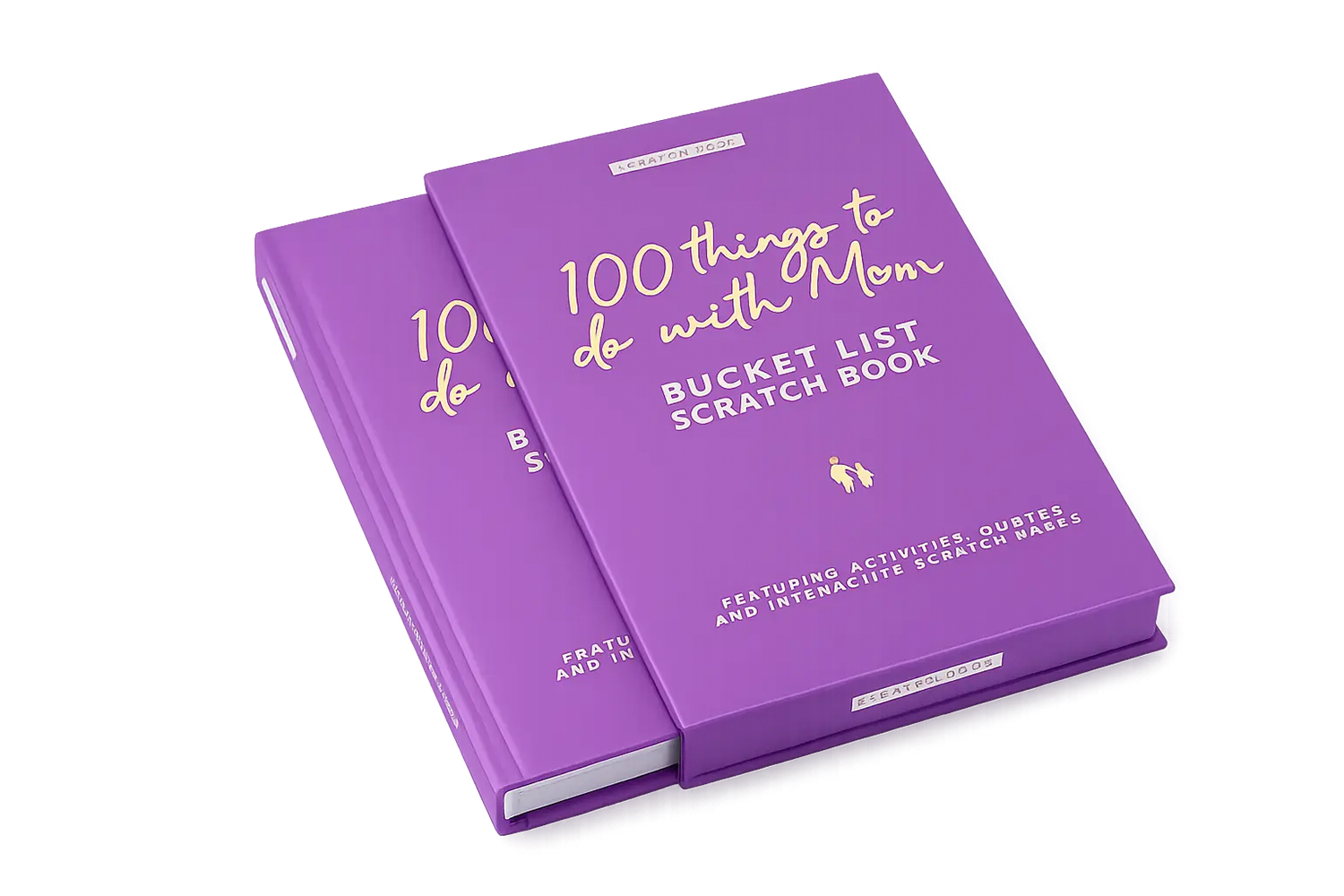
The third dimension of coffee table book cover design is finishing. Foil stamping — a metallic foil pressed into the cover surface with a heated die — is the most common premium detail. A gold or silver foil title on the spine and front cover reads as “serious production” immediately. Foil stamping requires a one-time die fee ($80–150) plus a per-copy cost of $0.20–0.50 depending on the size of the stamped area and the foil color (gold, silver, copper, and holographic being the most common).
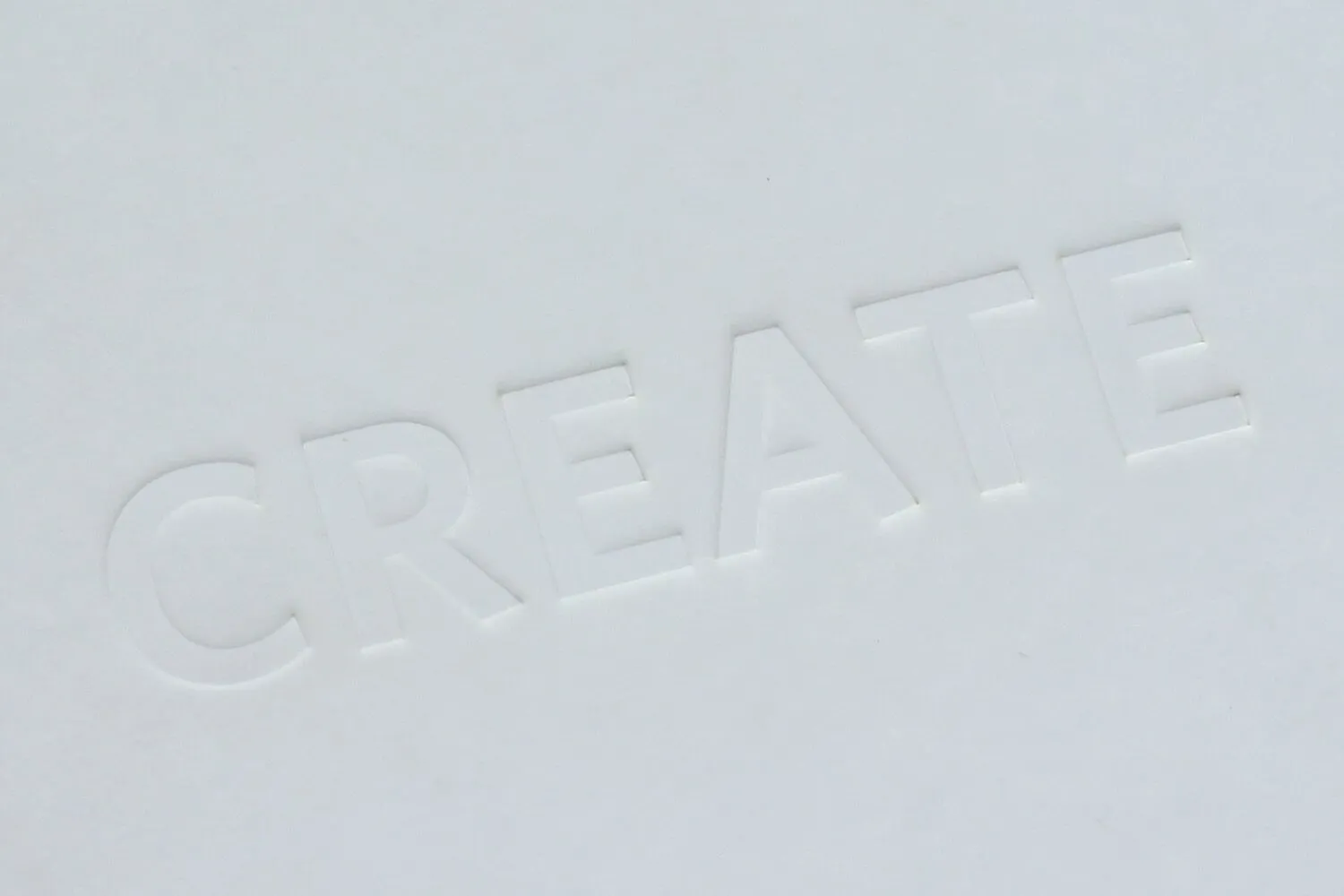
Embossing raises the cover surface; debossing depresses it. Both add tactile dimension — the reader’s finger registers the difference before their eye consciously notices it. A debossed title on a cloth case with no foil creates an understated luxury that works beautifully for minimalist art books. Die cost is similar to foil stamping; per-copy cost runs $0.15–0.40.
Spot UV — a glossy raised coating applied to specific design elements — works best on case laminate covers and dust jackets with matte lamination. A spot-gloss title on a matte background is one of the most cost-effective ways to make a cover design feel premium: it costs $0.10–0.25 per copy plus a $50–80 setup fee, far less than foil stamping, and delivers a similar “this was designed intentionally” signal.
Cost Breakdown: What a Coffee Table Book Actually Costs to Print
The cost-to-print-a-coffee-table-book equation has more variables than any other book category. The large format drives paper consumption. The heavy stock drives material cost and shipping weight. The hardcover binding drives labor. The color printing throughout drives plate and ink costs. All of these scale with quantity, but the scaling curve is steeper than for standard trade books because more of the cost is in materials and labor rather than setup amortization.
Here are real cost ranges for a representative spec: 11″ × 11″ square format, 160 interior pages, full-color throughout (4/4), 200 gsm gloss coated art paper, Smyth-sewn hardcover with cloth-wrapped case and foil-stamped spine title, white head and tail bands, ribbon marker. Prices are China offset manufacturing, DDP to a US West Coast address (Los Angeles / Long Beach port), including all platemaking, setup, binding, finishing, ocean freight, customs duties, and last-mile trucking. These are early 2026 ballpark estimates — real quotes will vary by printer, paper price fluctuations, and freight rates at the time of order.
Quantity
Unit Print Cost (EXW)
Freight + Customs + Delivery
Total Landed Cost/Book
Total Project Cost
500 copies
$14.00–17.00
$2.50–3.50
$16.50–20.50
$8,250–10,250
1,000 copies
$9.80–12.00
$1.80–2.80
$11.60–14.80
$11,600–14,800
2,000 copies
$7.50–9.20
$1.40–2.20
$8.90–11.40
$17,800–22,800
Several things to note about these numbers. First, the steep drop between 500 and 1,000 copies — your unit cost falls roughly 30% — is driven by amortizing the case-making die setup, the foil stamping die, and the Smyth-sewing make-ready across more copies. Below 500 copies, the per-unit cost climbs fast enough that offset manufacturing becomes hard to justify. At 300 copies, you might see unit costs above $22.00, making a retail price of $75+ necessary to clear any margin at all.
Second, the shipping cost per book is higher than for standard trade books because coffee table books are heavy. A 160-page 11″ × 11″ book on 200 gsm paper weighs roughly 4.2 kg. At 500 copies, that is 2,100 kg (4,630 lbs) of freight. At 2,000 copies, 8,400 kg (18,500 lbs). Ocean freight rates fluctuate — the estimates above assume a rate of roughly $1,200–1,800 per 20-foot container (which holds roughly 1,200–1,500 books of this size depending on carton configuration). Get a freight quote alongside your print quote; the two numbers are connected and one without the other is not useful.
Third, if you are considering coffee table book printing China as an option — which most independent publishers and self-published photographers do — the DDP pricing model (where the printer bundles manufacturing, freight, customs, and delivery into one per-unit price) removes the uncertainty. You pay one number per book and the printer handles the logistics. This is the most common arrangement for coffee table book printing china projects serving US and European customers. For a detailed comparison of China vs domestic printing economics across book types, see our book printing cost guide .
Where the Money Goes: Cost Breakdown by Component
For a 1,000-copy run of the spec above, here is roughly where each dollar lands:
Cost Component
Approximate Share
Per Book (Est.)
Paper (interior + cover + endpapers)
32–38%
$3.70–5.30
Printing (plates, ink, press time)
18–22%
$2.10–3.10
Binding (sewing, casing-in, finishing)
20–25%
$2.30–3.50
Cover (cloth, foil stamping, head/tail bands)
12–16%
$1.40–2.20
Freight, customs, delivery
8–12%
$0.90–1.70
Paper is the single largest cost component for coffee table books — significantly higher than for trade books, where binding and printing typically dominate. This is why downgrading from 200 gsm to 157 gsm saves roughly $1.20–1.80 per copy. But it is also why downgrading paper is usually the wrong place to cut costs on a coffee table book. The paper is the book. Cut binding extras — foil stamping, ribbon markers, headbands — before touching paper weight.
FAQ: Common Coffee Table Book Printing Questions
What does it cost to print a coffee table book in 2026?
For a 160-page, 11″ × 11″ full-color hardcover coffee table book on 200 gsm coated paper, expect $16.50–20.50 per copy landed at 500 copies, $11.60–14.80 at 1,000 copies, and $8.90–11.40 at 2,000 copies. These are China offset manufacturing prices with DDP shipping to a US West Coast address. Smaller formats (10″ × 10″), lighter paper (157 gsm), and simpler binding (case laminate instead of cloth + dust jacket) reduce these numbers. Larger formats, heavier paper, and additional finishing (foil stamping, embossing, slipcases) increase them. A full breakdown of how quantity drives unit cost is available in our book printing cost guide .
What paper weight is best for a coffee table book?
157 gsm coated art paper is the minimum for a coffee table book with photography. 200 gsm is the professional standard — it eliminates show-through, adds physical heft, and signals quality the moment the page is turned. For the highest-end limited editions and museum catalogs, 250–300 gsm creates a gallery-print experience at roughly double the paper cost of 157 gsm. The paper decision should be driven by the image content: photography and fashion books need coated gloss or matte; text-heavy illustrated books can use lighter coated stock; art books with monochrome images often look best on matte coated paper. For a complete guide to paper types, see our coated paper guide .
What is the best binding for a coffee table book?
Smyth-sewn hardcover case binding is the standard. It is the only binding that can support the weight of heavy paper stock over years of handling without pages falling out or the spine cracking. Dust jacket construction adds prestige and gives you extra real estate for cover copy; case laminate is more durable and costs less. For a heavy coffee table book (over 3 kg), ensure your printer specifies hinge scores at least 8 mm wide and endpapers at minimum 170 gsm stock. For a comparison of all hardcover and softcover binding options with cost data, see our hardcover vs paperback guide .
How long does coffee table book printing and shipping take from China?
Production time: 12–16 working days from file approval to finished books, including Smyth sewing, case making, casing in, and foil stamping. Hardcopy proofing adds 5–7 days (including international courier). Ocean freight to US ports: 18–25 days to the West Coast, 30–35 days to the East Coast. Customs clearance and final delivery: 3–5 days. Total timeline from file approval to books in hand: 5–7 weeks via ocean freight. Air freight cuts shipping to 5–7 days but adds $4.00–7.00 per book for heavy coffee table volumes — only justifiable for an immovable launch event deadline.
Is coffee table book printing in China reliable for quality?
Yes — and it is the most common production route for independent publishers and self-published photographers creating coffee table books. China-based book manufacturers have been producing export-quality hardcover books for the US and European markets for decades. The binding skills — especially Smyth sewing and hand case-making — are excellent at established printers who specialize in illustrated book production. The key is verification: request physical samples of books similar to your spec before committing, check their client list for publishers you recognize, confirm they use ISO-certified processes, and always order a hardcopy proof before the full print run. A coffee table book printing china project managed correctly produces results indistinguishable from domestic printing at 40–60% lower cost, even after freight and tariffs.
What file specifications does a coffee table book require?
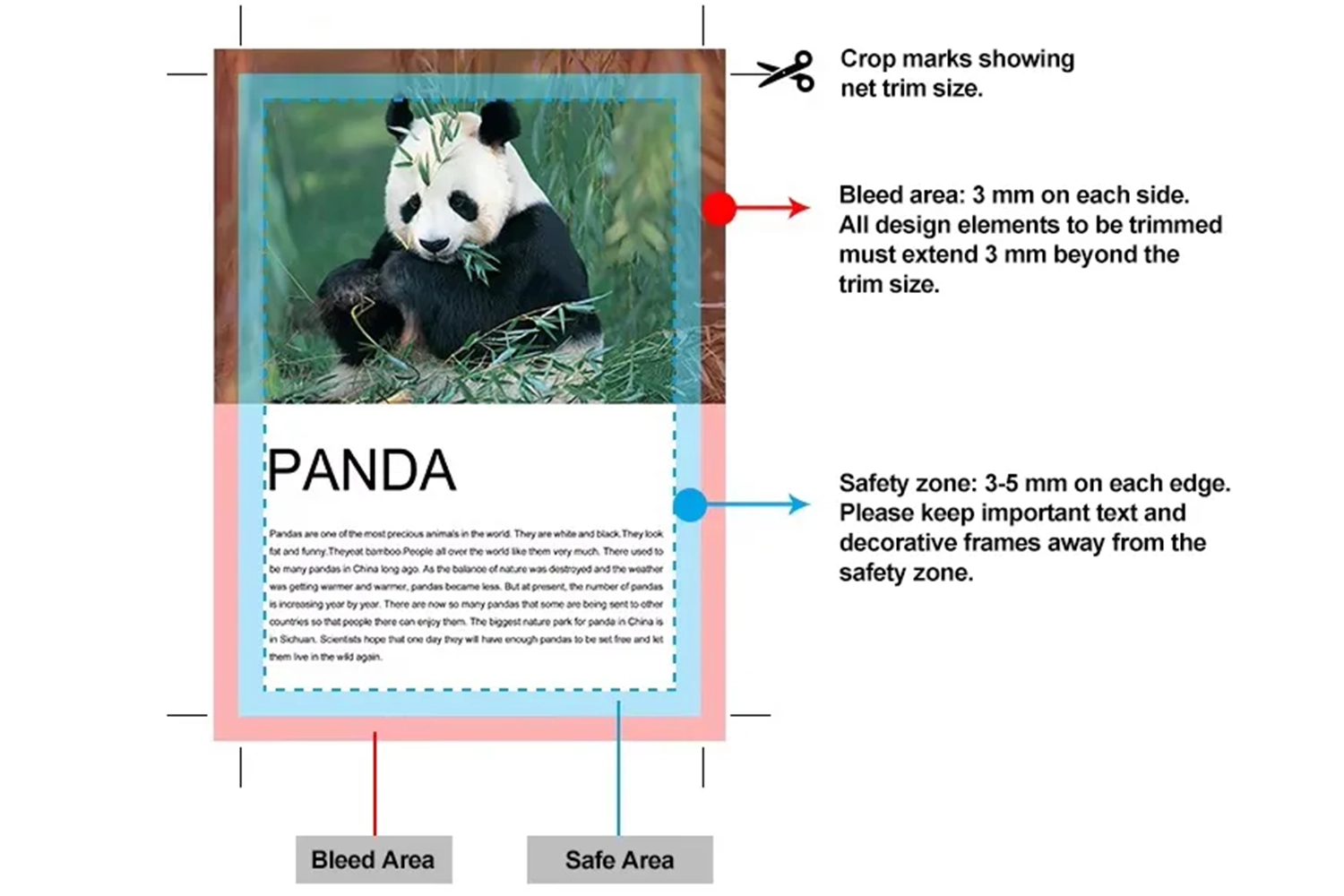
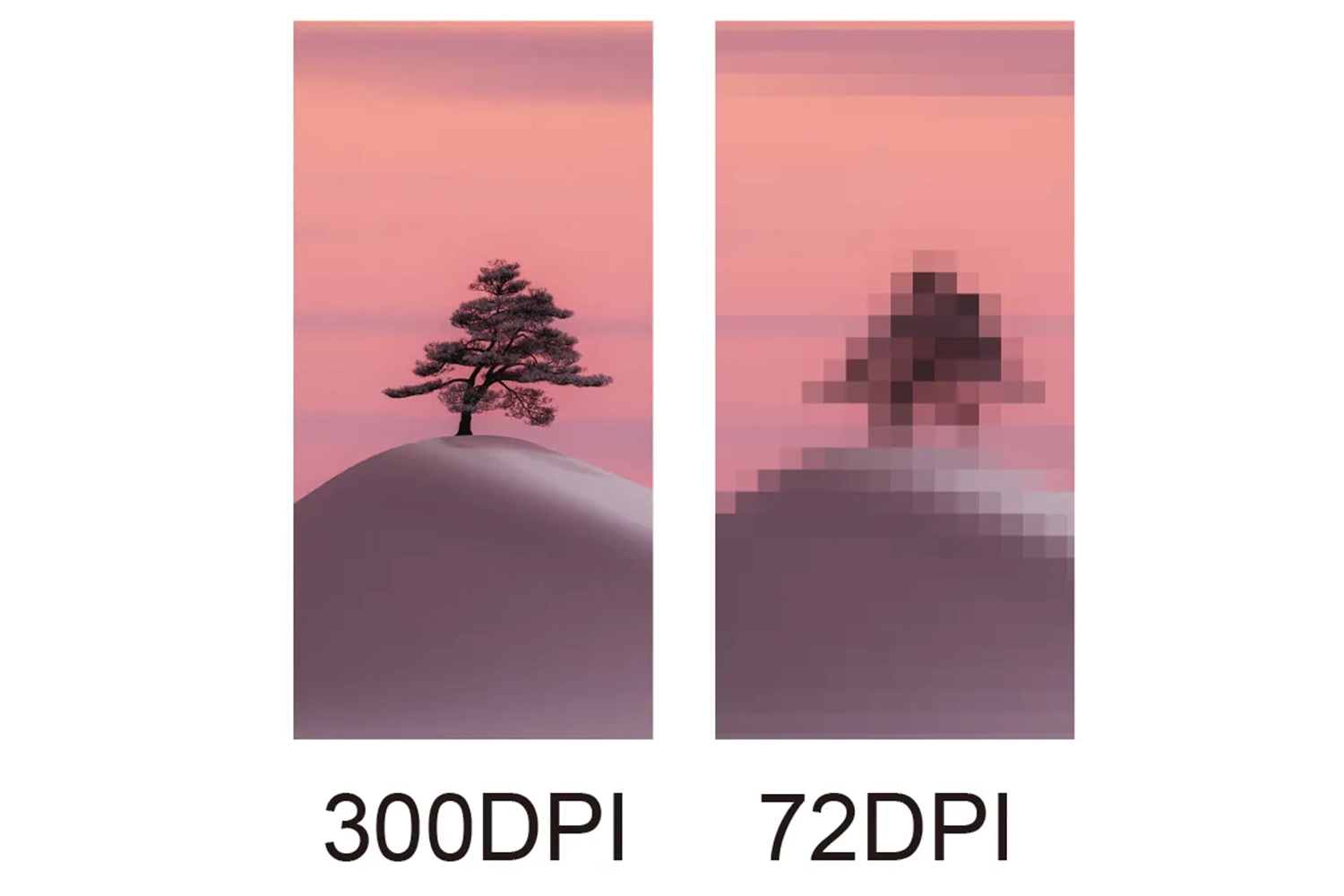
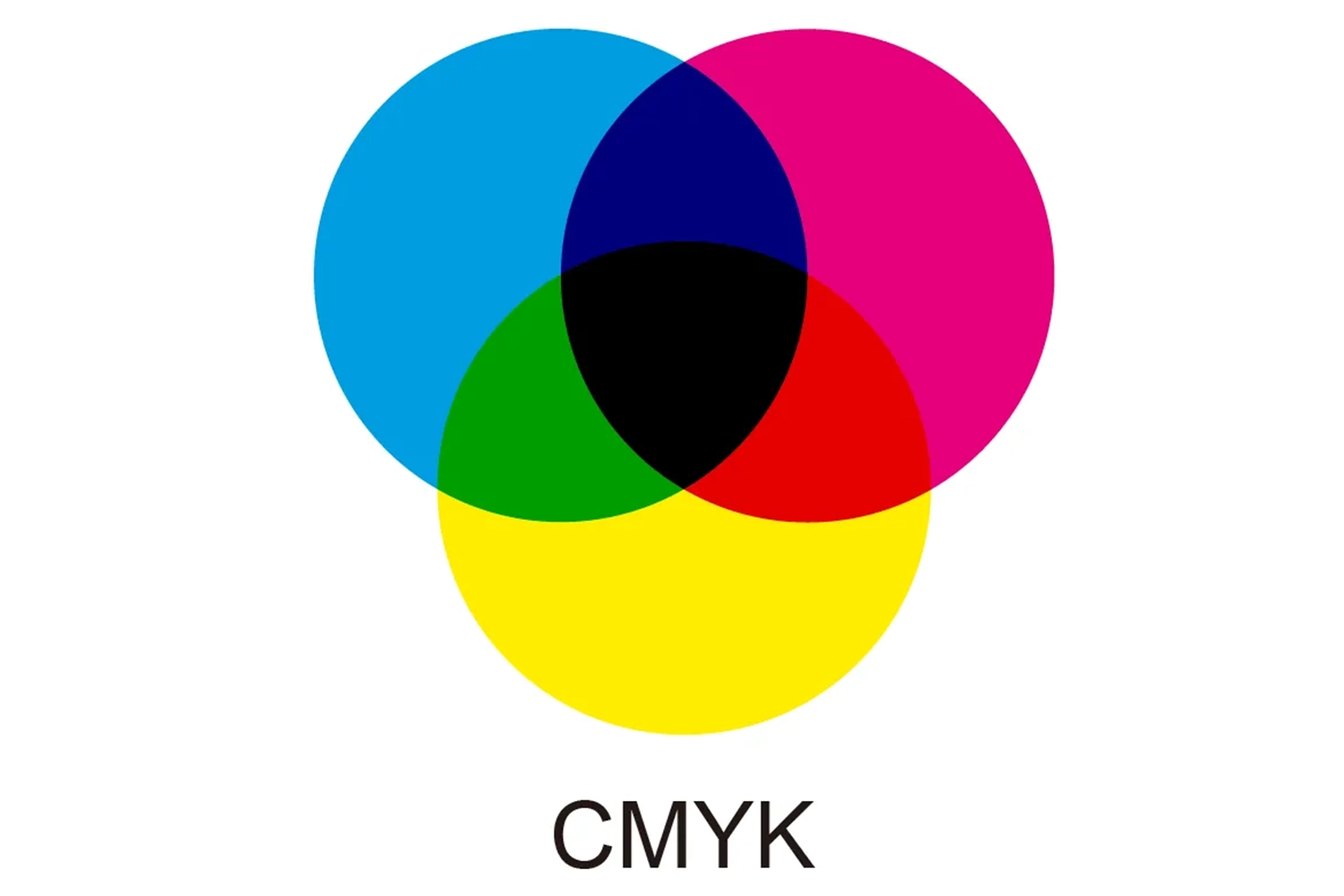
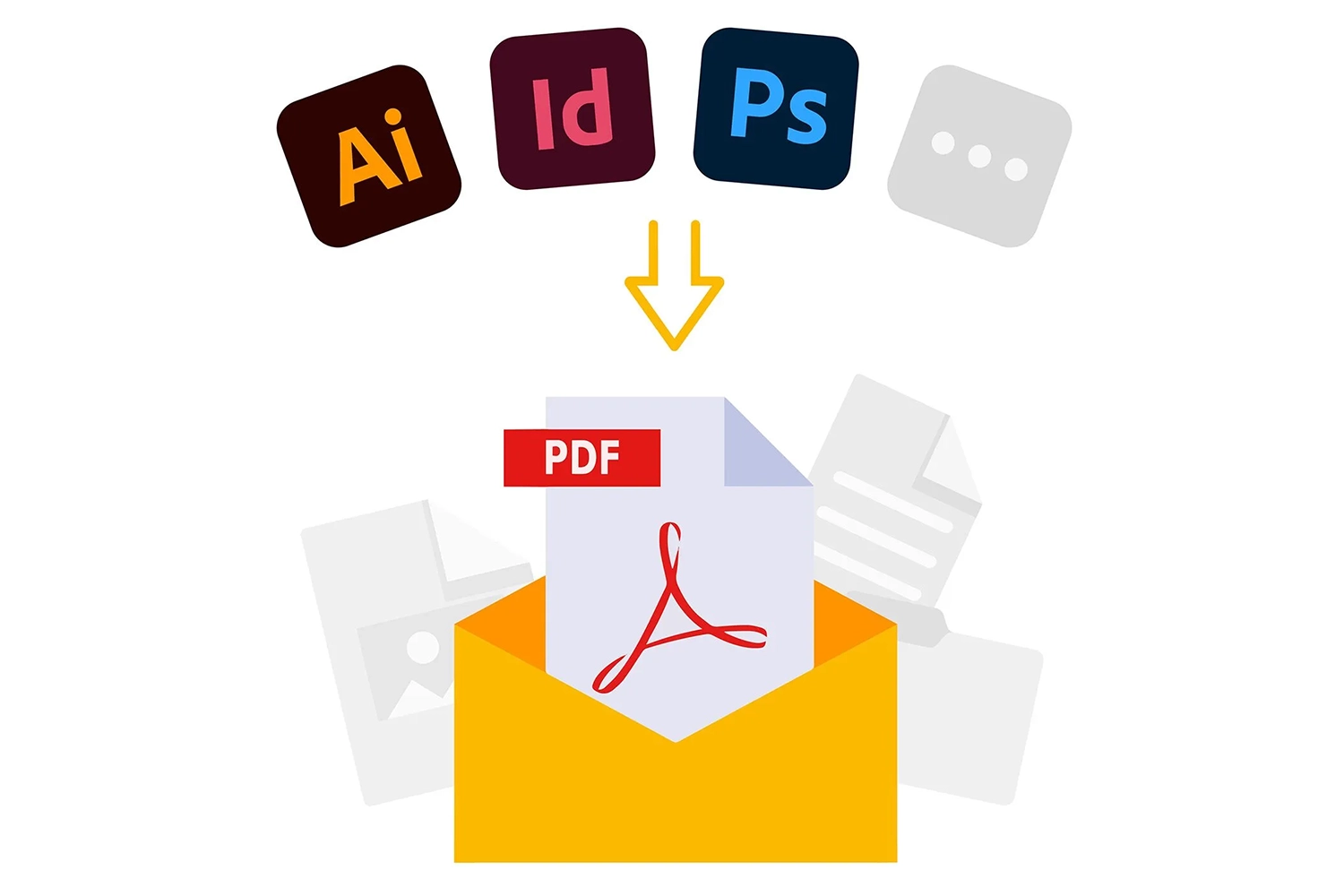
PDF/X-1a format, CMYK color mode with embedded ICC profile (FOGRA39 for coated paper), minimum 300 DPI at final placed size, 3 mm bleed on all four sides. For crossover spreads, add 4–5 mm of gutter bleed on the inside edge of each page — the thicker paper stock of coffee table books creates a deeper gutter curve that swallows more image area than standard book paper. All text and critical image elements must stay at least 8 mm from the trim edge (more than the standard 6 mm, because guillotine tolerance is wider on heavy paper stacks). Fonts must be fully embedded or outlined to outlines. Do not submit RGB files. For a complete walkthrough of file preparation, see our print-ready files guide .
What is the minimum order quantity for coffee table book printing?
Most China-based offset printers accept a minimum order of 300–500 copies for hardcover coffee table books. Below 300 copies, the per-unit cost climbs sharply because case-making die setup, foil stamping dies, and Smyth-sewing make-ready are spread across too few units. Digital printing is an option for quantities under 200 copies, but paper and binding options are limited — most digital presses cannot handle paper over 300 gsm, and digital hardcover binding does not offer Smyth sewing. For the full picture on print run economics, see our MOQ guide .
Your Coffee Table Book Is Worth Printing Properly
A coffee table book is the most permanent object most publishers, photographers, and brands will ever create. It lasts decades. It gets displayed, not stored. It gets handed to guests, not buried in a to-read pile. The printing decisions you make — paper weight, binding method, cover construction, finishing details — determine whether that object makes the impression you intend, every time someone picks it up, for years after it leaves the printing press.
Get the paper weight right. Use Smyth-sewn hardcover binding. Specify hinge scores and endpaper weights that match the book’s physical size. Order a hardcopy proof and review it under normal room lighting — not just studio lights — because that is where your readers will see it. These are not marginal improvements. They are the difference between a book that looks like it cost what it cost and a book that makes people wonder where the budget went.
If you are ready to get a quote for your coffee table book project, EcoPrinting offers free file review, paper sample kits so you can compare 157 gsm, 200 gsm, and specialty stocks in your own hands, and transparent line-item pricing with no hidden freight surprises. Our prepress team specializes in illustrated book production — the paper, binding, and color requirements that are specific to oversized, image-driven hardcovers.